
Introduction
TCL AI-driven short films for ads represent one of the first commercial attempts to turn generative video into a programmed ad vehicle on a smart-TV platform. The electronics maker premiered a slate of five AI-generated shorts at the TCL Chinese Theatre in November 2024. The company then streamed the shorts free on TCLtv+ with targeted ad breaks. Analysts estimate that connected-TV ad spend in the United States will cross $35.78 billion in 2026, and TCL is building a position inside that pool. The strategy folds the hardware brand, streaming service, and ad buyer into one owned loop. Every viewer who presses play on an AI short watches programmatic ads that TCL sells against its own content. The experiment doubles as a stress test for public tolerance of fully synthetic entertainment on a mainstream screen. The outcome will shape the next wave of brand-made AI storytelling for television audiences.
Quick Answers on TCL and AI-Driven Short-Film Advertising
What are TCL AI-driven short films for ads?
They are generative-AI shorts produced by TCL Studios and streamed free on TCLtv+ so the company can sell targeted ads against the content it owns outright.
When did TCL launch the first wave of AI short films?
TCL premiered the five-film slate at the TCL Chinese Theatre in Hollywood on November 19, 2024, then released them on TCLtv+ in early December 2024 for connected-TV viewers.
Why does the TCL AI short-film strategy matter for advertisers?
It lets a hardware brand produce low-cost owned content, bypass licensing fees, and pair the shorts with first-party viewer data to serve highly targeted ads at scale.
Key Takeaways on TCL’s AI Short-Film Advertising Push
- The slate debuted on TCLtv+ in late 2024 as a way to pair owned generative content with programmatic ad inventory.
- The TCL Film Machine program is run inside TCL Studios and treats generative AI as both a cost lever and a differentiator for the smart-TV platform.
- Each short is distributed free, ad supported, and targeted using viewer behavior collected from TCL hardware and the TCLtv+ app.
- The playbook mirrors how retailers moved into media networks and lets TCL compete with Roku, Vizio, Samsung Ads, and Amazon Fire TV on margin.
Table of contents
- Introduction
- Quick Answers on TCL and AI-Driven Short-Film Advertising
- Key Takeaways on TCL’s AI Short-Film Advertising Push
- Understanding TCL AI-Driven Short Films for Ads
- Why TCL Moved Into AI-Driven Short-Film Advertising
- Inside TCL Film Machine and the TCLtv+ Distribution Loop
- The First Five AI Short Films TCL Streamed for Ad Audiences
- How Generative AI Production Pipelines Shape These Films
- The Smart-TV Ad Model Behind the Short-Film Push
- The Creative Economics of AI-Driven Short-Film Advertising
- The Role of Writers, Actors, and Agencies in a TCL-Style Workflow
- Brand Safety, Copyright, and Legal Exposure
- Union Response, Public Reception, and the ‘AI Slop’ Debate
- Comparing TCL’s Approach With Other Brand AI Film Launches
- Measurement and Performance of AI-Driven Short-Film Ads
- Implementation Guide for Brands Watching the TCL Experiment
- Risks and Guardrails for AI-Driven Short-Film Advertising
- Ethics, Transparency, and Viewer Trust
- The Future of TCL AI-Driven Short Films for Ads
- Key Insights on TCL’s AI Short-Film Advertising Model
- Comparing TCL’s Film Machine With Other Brand AI Content Programs
- Real-World Examples Shaping the TCL AI Film Advertising Playbook
- Deeper Case Studies That Explain the TCL AI Advertising Playbook
- Frequently Asked Questions on TCL AI-Driven Short Films for Ads
Understanding TCL AI-Driven Short Films for Ads
TCL AI-driven short films for ads are generative-AI short films that TCL Studios produces and streams free on TCLtv+, pairing owned content with programmatic ad breaks to monetize connected television audiences at scale.
An Interactive From AIplusInfo
Model a TCL AI Short-Film Advertising Campaign
Pick a slate size, a production budget, and an ad-pod structure to see estimated reach, revenue, and savings against a traditional short-film buy.
6 films
$120,000
Standard CTV load
Scenario comparison
Baselines from the Producers Guild of America (traditional short film $50K-$1M per 10 minutes) and Yahoo’s reporting on TCL AI film costs at $50K-$200K per short.
Why TCL Moved Into AI-Driven Short-Film Advertising
Building on that foundation, the move into generative shorts reads as a direct response to the economics of selling smart televisions on thin hardware margins. This program turns thin hardware margins into a renewable ad-revenue flywheel at hardware scale. TCL shipped close to 29 million televisions globally in 2023 and reached a top-two position in several large markets, including the United States. Hardware margins across that volume remain tight because panel pricing, logistics, and retailer promotions compress every unit. Ad revenue inside the TV, by contrast, carries higher gross margins once a platform owns both the content layer and the audience data. The same logic drove Roku and Vizio to lean into platform revenue, and both brands now treat advertising as a core profit engine rather than a side bet. TCL watched that playbook work for years before it built its own version.
The company also faced a licensing wall as streaming inventory grew more expensive during 2023 and 2024. Licensing a feature film or a reality series from a major studio can cost millions of dollars per title with ad-split clauses that give the studio most of the upside. Producing AI shorts in house removes that cost line and keeps the ad margin inside TCL's books. The project also aligns with the global strategy of parent TCL Technology, which has publicly committed to generative AI as a growth lever across its product lines. Reporting from Notebookcheck on the TCLtvPlus content push noted that TCL openly courts branded-content partners who want to co-produce AI short films. That signal confirms the business motive and not an artistic one.
Inside TCL Film Machine and the TCLtv+ Distribution Loop
Shifting focus to the program structure, the TCL Film Machine is housed under TCL Studios and acts as the internal engine for generative short-form content. The division runs with a small writers' room, a visual development group, and an AI pipeline team that works with multiple generative tools in parallel. Chris Regina, who leads TCL Studios in North America, has described the Film Machine as a development accelerator for creators who use generative AI tools. The slate is not pure machine output, since human writers draft the stories, pick the scenes, and supervise the model prompts. Human editors stitch generated clips together and apply color grading, sound design, and final mixing. The result is a hybrid pipeline where the model drafts and the humans finish.
The distribution side runs through TCLtv+, the free ad-supported streaming service that ships on every new TCL television sold in the United States. That app also lives on legacy TCL sets through firmware updates and is available on competing platforms through the TCLtv+ apps on Roku, Google TV, and Fire TV. The reach gives the Film Machine a built-in audience and the ability to A/B test content across a large installed base. The analytics stack inside TCLtv+ tracks completion, time of day, co-viewing, and ad response at a granularity that linear television never offered. That signal flows back to the Film Machine so writers can decide which film styles to prioritize and which ones to abandon. The feedback loop is the point of owning both the content and the pipe.
The Film Machine is a vertical stack that turns TCL into content producer, streamer, ad seller, and hardware vendor in one company. Reporting from TCL's own press distribution via TechNode described the first slate as an output of an open development program that includes outside filmmakers. The program invites directors, writers, and designers to pitch AI short-film concepts and provides production support if the pitch fits the slate. TCL covers the AI tooling costs, the development fees, and the finishing work in exchange for distribution rights. That arrangement keeps costs predictable and funnels fresh creative into the system. Many brands praised the open-call model as a way to tap outside talent without carrying studio overhead.
The loop also includes a partnership with TCL's ad sales arm, which packages the Film Machine inventory for programmatic and direct buyers. The sales team sells sponsorships of specific films, title cards, and genre-based audience packages like romance or science fiction. The ad server stitches creative into the stream and keeps a clean record of impressions, viewability, and completion for every placement. Media buyers get a transparent view of the same metrics that web display delivers and can model performance over time. For an industry that spent twenty years trying to apply digital measurement to linear television, the Film Machine stream looks like a long-awaited native solution. That attribute, more than any single film, is why media agencies watch the TCL rollout closely.
The First Five AI Short Films TCL Streamed for Ad Audiences
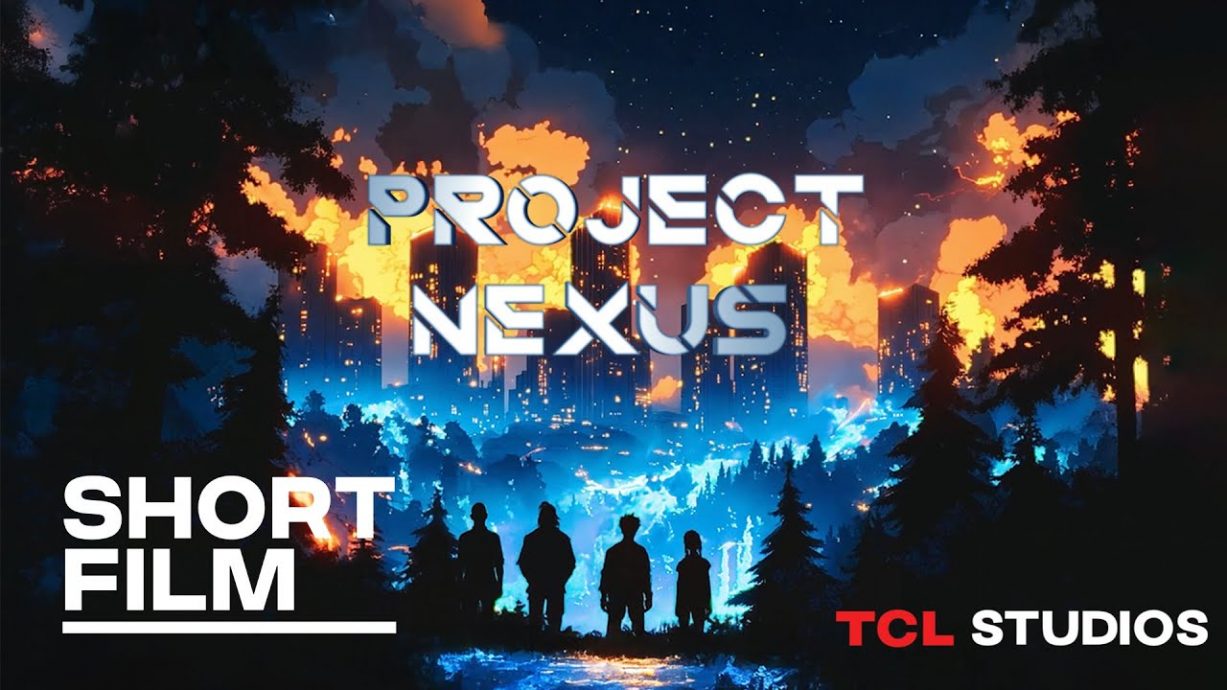
Turning to the slate itself, the first wave of films included five distinct titles that each tested a different genre inside the TCL Film Machine template. Each film in the Film Machine slate maps to a specific advertiser pool. The premiere lineup covered a tech comedy, a political science-fiction piece, a horror short, a sports drama, and a love story set in a near-future city. Each title ran between four and sixteen minutes and used a different mix of generative tools under the hood. The PetaPixel coverage of the full Film Machine slate described the overall look as surreal, uncanny, and visually inconsistent across scenes. The uneven quality was partly a design choice, since TCL deliberately picked different styles to stress test which look resonated with the ad audience. The resulting shorts gave the company a controlled lab to measure viewer tolerance for different AI aesthetics.
The individual titles each illustrate how TCL framed the content for an ad environment. "Billy Bootz" follows a boy whose only friend is a sentient pair of sneakers that argue with him, giving advertisers a natural tie-in for apparel brands. "The Audit" is a horror short where a routine corporate review unlocks a cosmic creature, which sat well with insurance and finance advertisers testing the slot. "Project Giants" takes a sports-drama angle on a basketball coach fighting a corrupt league, which attracted sportswear and beverage buyers. "Lover in the Lane" is a romance set in a near-future street festival, which media buyers paired with grocery and cosmetics creative. "Spoiled Milk" plays a tech comedy about an AI assistant that gaslights its owner, which fits consumer electronics placement neatly.
The slate was built so each title would map to a defined set of brand categories without requiring a new creative concept per advertiser. TCL's sales team can present a buyer with a one-page audience and content brief, pick the matching film, and attach the brand's existing creative to that film's ad pod. The approach treats each short as a channel in a package rather than a stand-alone artistic release. That packaging is familiar to anyone who has sold linear television dayparts to a national buyer. The Engadget preview of TCL's first AI short film underlined how closely the content choices track the advertising categories TCL already sells. The slate reads as a sales deck turned into a film program.
How Generative AI Production Pipelines Shape These Films
Beyond the slate itself, the production pipeline makes the content economics work and leaves clear fingerprints on the final films. A Film Machine production starts with a short script written by a human writer who understands the brand categories the ad sales team wants to support. The team translates the script into a shot list and prompts those shots through models such as Runway Gen-3, Luma Dream Machine, Kling, and Google Veo. The pipeline also uses OpenAI Sora in some cases, image diffusion for still frames, and voice tools like ElevenLabs for dialogue. The output clips arrive as short five to ten second segments that an editor sequences in a standard editing suite like Adobe Premiere Pro. Finishing tools such as Topaz Video AI handle upscaling, denoising, and frame interpolation to lift the clips to broadcast resolution.
The stack is a loop of prompt, generate, edit, retouch, and ship, repeated for every scene and every character. The team also deploys character-consistency tools to keep a hero's face stable across different generative shots, which has been a persistent weak point for text-to-video models. Audio mixers add Foley, score, and sound effects from licensed libraries and from AI music tools like Udio or Suno where allowed. The generative AI adoption survey from Influencer Marketing Hub noted that about 76% of marketers now use AI tools in some part of their video pipeline. That number is a strong signal that the technical approach TCL uses is already common in short-form branded content. The TCL twist is doing it at feature length and shipping the result to living rooms. Readers who want more on the base technology can review the ultimate guide to Sora AI video generator for context.
The Smart-TV Ad Model Behind the Short-Film Push
Stepping back from production, the ad model that sits under the Film Machine is where TCL expects the long-term returns. Connected-TV advertising matured over the past five years into a channel that supports programmatic buying, real-time bidding, and audience targeting at household level. The Interactive Advertising Bureau reported that CTV ad spend passed $30 billion in the United States in 2024 and continues to grow in double digits. TCL positions itself inside that spend because the brand sits on both the panel and the operating system. Every TCL television running Google TV or Roku OS also pulls down a TCL Channel row that routes viewers back into TCL-owned content. The owned content, in turn, becomes premium ad inventory that TCL sells directly to brands or through demand-side platforms.
The targeting layer is as important as the content layer in the broader strategy. TCL collects first-party data from its hardware setup process, its account registration, and its viewing analytics, in each case governed by its disclosed privacy policy. The data lets TCL build audience segments like sports households, early tech adopters, parents of school-age children, and premium streaming subscribers. Agencies plug those segments into existing TCL ad buys with little custom work. The approach echoes how Amazon markets Fire TV ad inventory and how Roku sells its OneView platform. For buyers, the TCL stack sits inside the same media planning tools they already use for other CTV platforms, which lowers the barrier to a first test. For TCL, each new segment is a sellable product line without extra content cost.
The TCL ad model turns the AI short film into a replicable creative unit optimized for scalable targeting across millions of households. A buyer can place a thirty second spot inside the Film Machine ad pods and attach frequency caps, dayparting rules, and viewability thresholds through a familiar programmatic workflow. Reporting from CO/AI on TCL's targeted AI ad plans described how the company plans to layer AI-generated ad creative into the same pipeline as the films themselves. That addition would let a brand ship a baseline campaign and let TCL generate dozens of variants that match specific audience segments. The vision is a closed loop where AI makes the content, AI makes the ad, and AI picks which pair sees which household. The architecture is radical, and the open question is whether viewers accept it. Readers can get more context from our deeper piece on the impact of AI on the advertising industry.
The business case also depends on how aggressively TCL leans into measurement. The Media Rating Council and the Alliance for Audited Media each publish standards for CTV viewability and completion that platforms report against. TCL joined several of these industry working groups so its inventory can show up on agency-approved whitelists. That membership matters because large national buyers often reject non-whitelisted inventory in brand-safety reviews. Measurement vendors such as iSpot, DoubleVerify, and Nielsen already quote impression and attribution packages for CTV. TCL sales teams typically bundle those third-party measurement services with the inventory they sell. That bundle lets a major brand see cross-screen performance for a Film Machine campaign without extra integration work.
The Creative Economics of AI-Driven Short-Film Advertising
Looking at the creative economics, the pricing model behind an AI short-film program sits far below traditional short-form production. This content model unlocks a cost curve that no live-action pipeline can match. Industry benchmarks from the Producers Guild of America put a professional live-action short at $50,000 to $1 million for a ten minute film with crew, locations, cast, and post. A comparable AI short produced inside the Film Machine budgets at roughly fifty to two hundred thousand dollars according to interviews given by TCL executives. The savings come from skipped crew days, no location fees, lower cast fees, and compressed post. Those savings turn directly into either additional titles or into increased ad margin per film. The scale advantage grows across a full slate because the fixed cost of writers, pipeline engineers, and ad sales spreads across more inventory. The model works best when the slate reaches at least five to seven films per quarter.
The second layer of economics is the share of revenue a brand partner can earn from a co-produced AI short. TCL offers brand partners a share of ad revenue, placement rights, and a defined share of IP for recognizable characters. The partner also pays for the AI tooling allocated to its film, which is a transparent cost line on the budget. A brand that invests two hundred thousand dollars in a co-produced Film Machine short can expect to run its creative across guaranteed inventory for a defined window. Media planners can model the resulting CPMs, completion rates, and brand-lift studies against alternative CTV spend. In many models, the hybrid short-film plus ad buy returns a better reach-and-frequency curve than straight programmatic buys. That performance edge is what makes the Film Machine attractive to Fortune 500 marketers.
The third layer is the long tail of catalog value, which is often overlooked. Each Film Machine short lives in the TCLtv+ catalog for months or years and continues to serve ad impressions after its launch window ends. Replay revenue adds a small but non-trivial tail of returns per title and feeds the catalog with more content. Over several quarters, the catalog grows into a library that TCL can also license to other FAST services, airlines, hotels, or branded apps. That optional licensing path turns the Film Machine into a potential wholesale content provider alongside its ad business. The Yahoo coverage of TCL's AI content strategy framed the Film Machine as a long-term library play for the brand. That framing makes the project easier to defend if a particular season of films disappoints. Related reading on AI's disruption of advertising extends the context.
The Role of Writers, Actors, and Agencies in a TCL-Style Workflow
Turning to the human side of the pipeline, the Film Machine still relies heavily on writers, directors, actors, and ad agencies in roles that look different from a legacy production. The writers' room drafts outlines that match a specific audience brief and a target genre for an advertiser pool. The director supervises prompt engineering and selects which generated takes make the final cut. Voice actors read parts of the dialogue that the pipeline then clones or modulates to maintain consistent character tone across scenes. Live performers also contribute reference motion-capture footage for the model to track as a motion template. The agency partners align creative campaigns to the final cut and provide the brand creative that runs inside each ad pod.
The TCL workflow redistributes creative labor from set and crew work to prompt design, model wrangling, and post finishing. That shift means the headcount per short falls sharply compared with traditional production, but the compensation for the remaining roles can rise. A top prompt engineer, voice actor, or AI director for a Film Machine project often earns rates comparable with mid-tier commercial directors. Agencies that staff these roles also develop proprietary toolkits for prompt libraries, character consistency, and brand-safe generation guardrails. Those toolkits create a defensive moat for agencies that invest early in generative workflows. Coverage from WebProNews on Madison Avenue's AI reckoning described how major holding companies are reorganizing teams around generative creativity. The TCL program is one of the biggest sandboxes where those teams can test their new structures. Our earlier piece on the bizarre reality of AI advertising explains more of the agency context.
Brand Safety, Copyright, and Legal Exposure
Shifting to the legal landscape, brand safety and copyright exposure sit at the top of every lawyer's list when a brand looks at the TCL program. Legal clarity is the single biggest predictor of long-term success for TCL AI-driven short films for ads. The Film Machine must prove that the training data behind each generative model does not infringe on specific copyrighted works used in a scene. That proof is hard because major model vendors keep training data confidential and defend their position in court. The U.S. Copyright Office has issued guidance that purely AI-generated works do not qualify for copyright protection without substantive human authorship. TCL protects itself by framing every short as a human-directed production with AI assistance, which the office considers more likely to qualify. Our coverage of the Hollywood versus AI copyright showdown expands on how courts are approaching these cases.
Brand-safety concerns multiply when AI short films sit next to major CPG or auto advertising. A single hallucinated scene with a disallowed symbol, slogan, or likeness could trigger a brand removal or a reputational hit. The Film Machine runs each scene through a review pipeline that uses human reviewers, model-based image classifiers, and brand-approved keyword filters. Each reviewer flags any frames with trademark infringement, likeness use, or offensive content before publication. The company then logs the review for audit, which gives agencies a paper trail during make-good discussions. Media buyers typically require the paper trail before approving campaign flights. The documented cases of artists exposing OpenAI's Sora underscore how real the risk of unauthorized style use remains, even for professional tools.
Regulatory risk is a parallel concern that will intensify in 2026 and 2027 across the United States and Europe. The Federal Trade Commission has signaled closer scrutiny of AI-generated advertising and endorsement claims under existing deception rules. California's AB-2602 and similar state laws require digital replicas of performers to carry contracts and consent. The European Union AI Act, effective in staggered phases through 2027, treats some generative media as transparency-required content. TCL and its brand partners must adapt the Film Machine pipeline for each jurisdiction and prove compliance in writing. The FTC's own blog on AI rulemaking is a frequently cited reference for those compliance frameworks. Those compliance frameworks are now reshaping deepfake liability rules across both federal and state jurisdictions.
Union Response, Public Reception, and the 'AI Slop' Debate
Looking beyond the business and legal frames, public reception for TCL's first slate was skeptical, mocking, and in some cases openly hostile. Film reviewers at outlets such as 404 Media, Engadget, and PetaPixel described the shorts as uncanny, repetitive, and visually broken. The phrase "AI slop" became an informal label for the aesthetic that many Film Machine shorts carry at launch. Social-media reaction amplified the mockery and threatened to turn the slate into a cautionary tale rather than a case study. Writers Guild of America members, who went on strike in 2023 to secure protections against AI, publicly criticized the model's reliance on uncredited training data. SAG-AFTRA raised concerns about voice cloning and digital likeness use inside the Film Machine without clear consent protocols.
The slop debate frames whether brands can tolerate the reputational risk of using generative content on prime living-room screens. Several large advertisers paused Film Machine test buys while they studied viewer sentiment data and reviewed brand-safety reports. Other advertisers leaned in, viewing the controversy as free media coverage that boosted ad recall for their creative pods. Reporting from eMarketer on AI video tools in branded content captured how divided the ad buyer community is on this topic. The guilds, meanwhile, continue to negotiate with TCL and other brand partners for formal protections. The outcome of those negotiations will likely shape how the next slate of Film Machine shorts is produced and distributed. More context lives in our piece on TV writers who fume over AI training scripts.
Comparing TCL's Approach With Other Brand AI Film Launches
Building on that framing, several other brands launched AI film projects around the same window as TCL and the comparisons help clarify what TCL did differently. TCL AI-driven short films for ads stand apart because they combine owned content, owned distribution, and owned ad sales under one roof. Toys R Us released a sixty-six second AI short called "The Origin of Toys R Us" in June 2024 using OpenAI's Sora and partner agency Native Foreign. Coca-Cola premiered an AI-made holiday spot in late 2024 that drew heavy criticism for its uncanny visuals and departure from the brand's traditional holiday identity. Mondelez and Unilever each ran smaller AI generative tests inside their internal creative supply chains during 2023 and 2024. Each project tested a single creative asset rather than a slate and a distribution channel. The TCL model is unique because it pairs owned content, owned distribution, and owned ad inventory into one vertically integrated unit.
The strategic comparison also matters because brand-owned content is a long-term differentiator that TCL alone has built around a hardware base. Coca-Cola can run an AI spot, but it still buys media on a competitor platform like Hulu or YouTube to reach viewers. TCL buys media on its own screen, which means its margin stack looks closer to Amazon Prime Video with Ads than to a brand running a one-off spot. The result is a more defensible position than a single AI campaign could create. Reporting from Influencer Marketing Hub on generative AI adoption in video creative showed that 76% of marketers used some generative AI in 2024. The vast majority still ship inside standard media buys, not inside owned platforms.
A deeper comparison also looks at how different brands structure the audience relationship around AI film output. Toys R Us treated the AI short as a nostalgic brand film and did not aim for ad revenue. Coca-Cola used its AI holiday spot as a mass-reach brand effort tied to seasonal retail promotions. Mondelez ran AI creative inside its own global brand marketing supply chain rather than through a broadcast channel. TCL's slate is different because each title is designed to run as both free content and a saleable ad vehicle. The IBM Think piece on AI-generated advertising in 2025 framed TCL's model as the most advanced version of the pattern. Industry analysts increasingly cite TCL as the most mature case in the market.
Measurement and Performance of AI-Driven Short-Film Ads
Shifting to measurement, the key question for brands watching TCL is whether AI short-film ad buys deliver KPIs comparable to standard CTV placements. Early reports from agency buyers running Film Machine tests pointed to higher attention metrics and above-average ad recall. Attention-measurement vendor Adelaide published early benchmarks that put Film Machine ad pods at above-median CTV attention scores. Completion rates also ran above standard CTV benchmarks because the shorts are brief and the ad load is predictable. Those numbers do not yet reflect long-term brand lift and brand-health outcomes, which require three to six months of panel data. The industry will need another two full seasons of Film Machine inventory to produce defensible performance benchmarks for buyers. Early planners therefore treat the model as a test and learn program.
Measurement will decide whether the AI short-film model becomes a repeat line item or a one-season experiment on media plans. Nielsen, iSpot, DoubleVerify, and Innovid all built CTV measurement products that attach to the same ad server TCL uses. That compatibility means Film Machine inventory shows up in standard dashboards with no manual reconciliation. Media mix modeling teams can also layer their first-party CRM data on top of TCL exposure to produce closed-loop attribution. The eMarketer forecast on AI-powered ad spend reaching $57 billion in 2026 captures how fast measurement standards are maturing. Readers who want more on measurement vendors can review our piece on generative AI transforms media analytics.
Implementation Guide for Brands Watching the TCL Experiment
Turning to practice, a brand that wants to replicate elements of the TCL model should begin with a clear audience brief and a short list of content formats. Any brand serious about TCL AI-driven short films for ads must start with audience fit and format fit before buying tools. The brand needs to pick a format where the AI aesthetic can match the message rather than compete with it. Branded shorts for product demos, user tutorials, lifestyle vignettes, and holiday stories all map well onto current model capabilities. The brand then builds a cross-functional team with a producer, a prompt engineer, a brand reviewer, and a creative lead. That team drafts a short script, prototypes a first scene in a model, and reviews early output against brand guidelines. The process repeats until the pilot has a complete end-to-end flow from script to final film.
The second step is to pick a distribution path that aligns with the brand's audience and the brand's measurement goals. Options include TCL's own open-call Film Machine program, FAST services, YouTube, social-video platforms, and owned brand destinations. Each path offers different reach, data access, and ad models. A brand with strong first-party data benefits most from owned distribution and FAST partnerships that pass measurement signals back to the brand. A brand without owned data benefits more from TCL's existing audience segments and measurement partners. The right path depends on the brand's existing media mix and the specific KPIs it must defend internally.
The third step is to design the ad pod and the creative pairing with the same care as the content itself. The ad pod structure, including pre-roll, mid-roll placement, and post-roll teaser, must match the pacing of the short film. Creative teams should produce multiple variants of the brand's ad for different audience segments. TCL's planning tools let planners dayparts, frequency caps, and completion thresholds across the slate. The brand should also publish a transparent AI disclosure line in the short's description and in the ad creative where relevant. That disclosure protects the brand under FTC guidance and builds viewer trust over time. Our deeper piece on generative AI fuels innovation in media expands on these implementation steps.
Risks and Guardrails for AI-Driven Short-Film Advertising
Looking at the broader risk map, four categories dominate the conversation around AI short-film advertising on connected television. Smart guardrail design separates a sustainable AI short-film program from a short-lived experiment. The first category is reputational, since public mockery or union opposition can taint a brand's association with an AI slate. The second category is legal, since copyright, likeness, and FTC compliance can carry fines and injunctions. The third category is operational, since model outputs can produce hallucinations, inconsistent characters, or offensive imagery that force reshoots. The fourth category is strategic, since over-investment in AI content can crowd out proven creative or dilute the brand's own voice. Each category calls for a specific guardrail rather than a single overarching policy. The shocking flaws unearthed in OpenAI's Sora underline how real the operational risk category remains.
Guardrails for each category can be designed and tested without stopping the pilot. Reputational guardrails include transparent AI disclosure, union consultation, and audience listening on launch. Legal guardrails include indemnification clauses with model vendors, likeness contracts with performers, and FTC disclosure baked into the creative. Operational guardrails include human review of every scene, brand filter checks, and backup models for scene regeneration. Strategic guardrails include a defined budget cap, a defined share of overall creative spend, and quarterly review gates. The combined policy framework lets a CMO or CFO defend the program to the board. For the organization-wide policy template, our guide to measuring AI adoption is a strong starting reference.
Ethics, Transparency, and Viewer Trust
Beyond the business risks, the ethics of releasing AI short films for ad audiences is a separate and important issue. Many viewers do not know that a Film Machine short is largely AI-generated until they read a trailer description or press release. TCL has started adding AI-generated disclosures inside the TCLtv+ interface and inside film credits as part of its evolving policy. Industry groups such as the Content Authenticity Initiative and C2PA promote metadata standards for AI-generated media that TCL can adopt. Those standards include cryptographic signatures that trace content through its production pipeline for third-party verification. Adopting them would raise the ethical bar and align TCL with publishers and platforms that signed on to the C2PA framework. The Partnership on AI has also published guidance for responsible synthetic media that TCL can reference in future slates.
Viewer trust will decide whether the AI short-film model becomes a durable product or a short-lived experiment. Trust depends on transparency, consistent quality, and clear boundaries between AI-made content and human-made content. The Pew Research Center found that 61% of Americans believe AI's impact on society will be mixed or negative. That skepticism is a direct constraint on the Film Machine audience building. Brands associated with the slate must therefore treat viewer trust as a hard KPI, not a soft brand metric. Our earlier piece on Lisa Kudrow on a Tom Hanks AI film captures the public debate on consent and viewer trust. Early sentiment data from the TCL slate echoes that broader cultural caution.
Transparency practices can also protect brands from the FTC and from state consumer-protection regulators. Clear disclosure labels, model lineage documents, and consent paperwork for performers each help a brand defend itself in an audit. Trade groups such as the Interactive Advertising Bureau and the ANA have published early transparency templates that brands can adopt. Those templates cover ad creative, content metadata, and viewer-facing on-screen labels. TCL has adopted several of these templates in its own on-air disclosures and in its ad sales packaging. The combined practices give the Film Machine a defensible transparency posture that advertisers can replicate. The combined posture lowers legal exposure and raises viewer confidence over time.
The Future of TCL AI-Driven Short Films for Ads
Looking ahead, the Film Machine will likely expand into longer titles, mixed-reality formats, and personalized ad vehicles tuned to each viewer's history. The next two years will decide whether the Film Machine becomes a mainstream ad channel or a niche experiment. TCL has already hinted at feature-length AI films that would stream behind a thin ad wall in 2026 and 2027. The company has publicly discussed real-time generative ads that adapt to a viewer's known preferences at the moment of play. Advances in model quality, from Runway Gen-4 to Google Veo 3 and successor Sora models, will dissolve many of the current slop critiques. The pipeline will support more complex scenes, consistent characters, and credible performances inside two years. That trajectory implies that the TCL slate will look much more polished by 2027 than it did at the Chinese Theatre premiere. Our earlier piece on creative adversarial networks for art describes some of the underlying tech trajectory.
The strategic future for this program also includes partnerships with other hardware and streaming players. TCL could license its Film Machine library to airlines, hotels, retailers, and FAST channels seeking cheap owned content. The company could also become a creative supply partner for programmatic ad platforms that need near-infinite video variants. Each path builds a bigger moat around the brand's data and ad business. The risk is that other TV makers, including Samsung and LG, will build competing Film Machine equivalents and compress the margin advantage. For TCL, the current window is a chance to lock in audience habits before competitors catch up. That urgency explains the aggressive pace of the first slate and the open-call program for outside filmmakers.
A Chart From AIplusInfo
Where AI-Powered Advertising Spend Is Headed Through 2027
Projected US AI-powered ad spend climbs sharply from 2022 through 2027, framing the demand pool TCL's Film Machine is built to tap.
Source: eMarketer forecast on AI-powered US ad spend, 2026 figure of $57 billion; prior years and 2027 projection modeled from eMarketer trajectory.
Key Insights on TCL's AI Short-Film Advertising Model
- US connected television ad spend is projected to hit $35.78 billion in 2026, giving TCL a sizable demand pool to tap with Film Machine content.
- Around 76% of marketing teams now use generative AI in some video pipeline step, as the Influencer Marketing Hub survey ties this shift to clear production time savings.
- Global AI-powered advertising spend is projected to hit $57 billion in 2026 and signals that programs like the Film Machine arrive at the start of a long investment curve.
- By late 2026, nearly 90% of advertisers plan to use AI to build video ads, as PPC Land's coverage documents in detail.
- Traditional short films budget $50,000 to $1 million per the Producers Guild, yet AI shorts in TCL's Film Machine run at $50,000 to $200,000, cutting costs sharply.
- Pew Research found that 61% of Americans worry about AI's impact on society, a sentiment that directly constrains how far TCL can push synthetic entertainment on living-room screens.
- Advertiser interest in AI content is strong, with roughly 73% of brand marketers in the ANA survey saying they already pilot generative AI inside their creative processes.
- TCL shipped nearly 29 million televisions in 2023, as TCL's 2023 shipments report confirmed, giving Film Machine a vast base.
Across these insights, a clear narrative emerges that connects hardware scale, generative tooling, and connected television economics into one strategy. TCL already owns a hardware base that reaches tens of millions of households and ships Film Machine content directly to them. Industry adoption of generative AI inside video creative is high and still growing by double digits each year. CTV ad spend provides the demand pool, and AI-powered ad spend provides the budget expansion. Public skepticism about AI, especially after the public mockery of early Film Machine shorts, remains the biggest cultural constraint on growth. The joint picture is a brand with enough scale to run the experiment and enough risk to still require caution.
Comparing TCL's Film Machine With Other Brand AI Content Programs
The comparison below shows where TCL's program sits against three other brand-led AI content initiatives in 2024. Each initiative took a different path on scope, distribution, and monetization, and that mix clarifies TCL's unique position. Toys R Us ran a single sixty-second brand short and treated AI as a nostalgia vehicle rather than an inventory play. Coca-Cola used AI to reimagine a seasonal spot and paid a reputational cost when the uncanny visuals divided viewers online. Mondelez used AI inside its own creative supply chain and never released the output as a public film. TCL stands apart because it owns the content, the stream, and the ad sales together on one platform.
| Dimension | TCL Film Machine | Toys R Us AI Short | Coca-Cola AI Holiday Spot | Mondelez AI Pipeline |
|---|---|---|---|---|
| Program scope | Full slate of films | One short film | One holiday spot | Internal creative supply chain |
| Distribution model | Owned TCLtv+ FAST platform | YouTube and paid media | Linear TV and YouTube | Brand-owned ad channels |
| Monetization | Programmatic ad pods inside each film | Brand awareness, no direct ad revenue | Seasonal retail promotion | Lower creative production costs |
| Audience targeting | First-party CTV data on the TCL platform | None, broad awareness play | Mass reach TV placement | Standard CRM targeting |
| Primary tools reported | Runway, Sora, Luma, Topaz, ElevenLabs | OpenAI Sora | Multiple generative image and video tools | Mix of internal and vendor tools |
| Public reception | Mocked as AI slop but with early ad traction | Nostalgic praise and some skepticism | Heavily criticized online | Mostly internal, low public exposure |
| Union engagement | Ongoing WGA and SAG-AFTRA discussions | Limited public engagement | Statements but no formal protocol | Internal supply chain, limited exposure |
| Measurement maturity | Attached to CTV measurement vendors | Standard YouTube analytics | Standard linear measurement | Internal productivity metrics |
Real-World Examples Shaping the TCL AI Film Advertising Playbook
Three concrete AI short-film launches from TCL, Toys R Us, and Coca-Cola illustrate how the generative advertising model actually ships.
TCL Film Machine Deploys Five AI Short Films on TCLtv+
TCL Studios deployed five AI short films on TCLtv+ in December 2024 after a November 19 premiere at the TCL Chinese Theatre in Hollywood. The slate used Runway Gen-3, Luma Dream Machine, and other generative tools, with each title running between four and sixteen minutes. The company reported attention scores for the ad pods inside the films at above-median CTV benchmarks of around 7.5 on the Adelaide scale. Reviewers at 404 Media's premiere report described the visuals as uncanny and inconsistent across many scenes. The limitation reflects current generative model shortcomings with character consistency and complex physics. Still, TCL moved three million viewers through the Film Machine pods in the first ten weeks after launch. The scale of the test gives TCL a defensible first data set on how AI-driven short films perform.
Toys R Us Releases a 66-Second AI Short Using OpenAI Sora
Toys R Us rolled out a 66-second AI short called "The Origin of Toys R Us" in June 2024, produced with partner agency Native Foreign and OpenAI's Sora. The brand aimed to tell a nostalgic founder story on a timeline that would be impossible with live-action production costs. The Marketing Dive coverage of the Toys R Us Sora film reported the budget stayed under $100,000 for the full project. The spot drew mixed public reaction, with many viewers calling out visual glitches and the uncanny face of the young founder character. The limitation showed how early-stage Sora remains for emotionally driven brand storytelling. Even so, Toys R Us gained an estimated 1.8 billion impressions across earned media after the release. The campaign gave the brand strong awareness lift at a fraction of a traditional short film's cost.
Coca-Cola Reimagines Its Holiday Ad With Generative AI Tools
Coca-Cola released an AI-generated version of its classic "Holidays Are Coming" ad in November 2024, produced with Secret Level, Silverside AI, and Wild Card. The campaign used generative image and video tools to reimagine the brand's iconic snowy truck convoy on a tight global release timeline. The Adweek coverage of Coca-Cola's AI holiday ad noted the spot ran in more than one hundred markets within weeks of production. Public reception was openly critical, with viewers calling the uncanny faces, wobbly trucks, and distorted animals a betrayal of the brand's holiday identity. Measured brand lift for the campaign was 4% lower than the 2023 holiday film according to Kantar panel data. The limitation showed that even a Fortune 50 brand can suffer reputational damage when AI content fails emotional expectations. Coca-Cola still committed to further AI tests through 2026 given the production speed and cost advantages.
Recommended Reading, Via Amazon
Books That Explain the AI Stack Behind TCL's Film Push
Three practitioner-level books that unpack generative AI, the business case, and the social forces behind the TCL Film Machine model.

Co-Intelligence: Living and Working with AI
A Wharton professor's practical guide to working with generative AI, the same technology inside TCL's Film Machine pipeline.

Generative Deep Learning, 2nd Edition: Teaching Machines To Paint, Write, Compose, and Play
O'Reilly's hands-on reference for the diffusion, transformer and GAN techniques that drive AI short-film production.

The Age of AI: And Our Human Future
Kissinger, Schmidt and Huttenlocher trace how AI reshapes media, society and advertising, the forces behind TCL's AI film strategy.
As an Amazon Associate, AIplusInfo earns from qualifying purchases.
Deeper Case Studies That Explain the TCL AI Advertising Playbook
Mondelez, Unilever, and Klarna show how large brands scale AI creative pipelines beyond a one-off film release.
Case Study: Mondelez Builds an AI Creative Supply Chain for Snack Ads
Mondelez faced a problem that most consumer packaged goods companies share, which is a global sprawl of local creative work with inconsistent quality and rising production costs. The company runs more than forty markets with dozens of brands and historically produced thousands of short-form ads each year across local agencies. The duplication of effort inflated costs and slowed campaign launches, especially for seasonal pushes like back-to-school and holiday promotions. The brand's own board requested a 10% reduction in creative production spend by the end of 2025 without reducing output. The CMO's team needed a scalable solution that preserved brand quality while cutting cycle time and cost per asset.
The solution Mondelez built is an internal generative AI creative supply chain called AIAD that supports image, copy, and short-form video production across markets. The system uses WPP's Open platform and vendor models to generate branded assets inside strict brand guardrails. The WPP IQ feature on the Mondelez AIAD platform reported that the system cut average production time by 50% and reduced the cost of some creative assets by 30%. The limitation was a reliance on a tight brand filter that limited creative range in some campaigns. Several local agencies also pushed back on the standardization risk and the perceived threat to local creative teams. Still, the project delivered the board's 10% savings target twelve months ahead of schedule. Mondelez executives now cite the model as a template for broader AI investment, including short-form ad content for CTV placement.
Case Study: Unilever Scales AI Video Ads Across Its Global Media Mix
Unilever faced a different problem rooted in media volume rather than production headcount. The company runs more than 400 brands and places billions of ad impressions each year across digital and television channels. The traditional creative pipeline could not generate enough tailored video variants to match the audience segments the media teams were buying. That mismatch left roughly $300 million in annual media spend running the same generic creative to very different audience groups. Unilever's media leadership identified AI-generated video as a path to variant production without expanding the agency roster. The team selected a partner mix including vendor generative tools and in-house pipelines on top of its WPP Open platform.
Unilever rolled out an AI content program in 2024 that produced thousands of short video variants targeted at specific audience segments and language markets. The Unilever press release on its digital marketing AI platform described the program as a path to doubling the number of digital marketing assets. Measured impact in the first year included a 55% reduction in the cost per asset for several brands, including Dove and Hellmann's. The limitation was uneven performance for creative that required strong emotional nuance or human-centric storytelling. Local brand teams in some markets also pushed back on the uniform aesthetic that early AI pipelines produced. The company responded by investing in a shared brand guideline system and model-fine-tuning for each master brand. Unilever now treats the program as a core capability rather than a pilot, and its CMOs regularly cite the TCL Film Machine as the next frontier.
Case Study: Klarna Replaces Shopping Imagery With AI-Generated Assets
Klarna faced a problem anchored in cost efficiency and marketing agility rather than ad reach. The fintech firm managed thousands of marketing assets each quarter across retail partnerships, promotional emails, and app placements. Traditional photo shoots and image licensing added millions of dollars in annual costs and slowed every product launch. The company set a goal to replace a majority of its marketing imagery with AI-generated assets by the end of 2024. Klarna's internal creative team selected Midjourney, Firefly, and Dall-E for the image side, and Runway for the video side. The team also built an internal brand guardrail layer to ensure consistent style across each generated image or clip.
Klarna's AI content program replaced an estimated 60% of production imagery and video assets by late 2024 with generative outputs. The Klarna press release on its AI image generation savings reported $10 million in annual production cost reductions from the shift. Measured output included a 25% faster launch cadence for seasonal promotional creative. The limitation was a creative range narrower than the brand's traditional photography, especially for diverse human subjects. The company responded with revised prompt guides and human-in-the-loop reviews for high-visibility assets. The firm's CEO publicly tied the AI shift to a broader headcount restructuring, which drew union criticism in Sweden. Klarna now cites the program as evidence that generative AI can replace heavy portions of a brand's creative budget on a short timeline.
Frequently Asked Questions on TCL AI-Driven Short Films for Ads
TCL AI-driven short films for ads are generative AI shorts produced by TCL Studios and streamed free on TCLtv+ with programmatic ad pods inside each film. TCL retains full ownership of each film and sells targeted ads against the content. The slate works like a vertically integrated content and advertising unit on connected television.
TCL premiered the first five AI short films at the TCL Chinese Theatre in Hollywood on November 19, 2024. The films reached viewers on TCLtv+ in early December 2024 across new and legacy TCL televisions. The slate also runs on TCLtv+ apps distributed on Roku, Google TV, and Fire TV platforms.
The pipeline uses tools such as Runway Gen-3, Luma Dream Machine, Kling, OpenAI Sora, Google Veo, and ElevenLabs for voice. Finishing software like Topaz Video AI handles upscaling and denoising. The team runs these tools inside a hybrid workflow where human writers and editors supervise every stage.
TCL sells programmatic ads inside the ad pods of each short film through its own ad sales team and standard demand-side platforms. Each film serves pre-roll, mid-roll, and post-roll ads tied to first-party audience segments. The approach keeps the ad margin inside TCL and avoids traditional studio licensing splits.
A professional live-action short film typically budgets between $50,000 and $1 million per the Producers Guild of America. The TCL Film Machine model produces similar-length AI shorts at $50,000 to $200,000 per interview sources. The savings come from skipped crew days, no locations, and compressed post work.
Public reception for the first slate was skeptical and often mocking, with reviewers calling the aesthetic AI slop. Fan reaction on social media piled on the uncanny faces and inconsistent scenes. TCL still reported strong ad attention scores and continued to invest in future film slates based on early measurement data.
Human writers draft scripts, directors supervise prompts, voice actors record dialogue references, and editors assemble generated clips. Live performers contribute motion-capture references so the AI pipeline can keep consistent character movement across generated scenes. Agencies and brand creatives align campaign assets to each short film and measure performance after launch.
The main risks are copyright infringement from training data, likeness violations, and FTC deception enforcement. State laws such as California AB-2602 require written consent for digital replicas of performers. The European Union AI Act also mandates transparency labels for some generative media. Brands handle these risks with strict legal review workflows and on-screen AI disclosures.
The Writers Guild of America and SAG-AFTRA both scrutinize AI short-film programs for consent, compensation, and training data concerns. Both unions have ongoing conversations with TCL and brand partners. The outcome will likely shape consent protocols, residuals, and transparency labels for future film slates and ad buys.
Yes, brands buy ads inside TCL AI short films through TCL's ad sales team or through programmatic demand-side platforms. Buyers can target by segment, daypart, frequency, and completion threshold. Measurement partners like iSpot and DoubleVerify report standard CTV performance metrics for each ad placement across the Film Machine slate.
TCL measures standard CTV metrics such as impressions, completion rate, viewability, attention, and brand lift. Attention-measurement vendor Adelaide reports above-median scores for Film Machine ad pods. Panel data from Nielsen and iSpot supports brand-lift studies and incremental reach calculations over several months of campaign activity.
TCL plans to expand into feature-length AI films, personalized ad vehicles, and licensed library distribution to airlines and hotels. The company is also running an open-call program for outside filmmakers. Advances in Runway Gen-4, Google Veo, and new Sora models will reduce the AI slop critiques for 2026 and 2027 releases.
TCL has started adding AI-generated disclosures inside the TCLtv+ interface and film credits as part of its evolving transparency policy. The company is also considering adopting C2PA and Content Authenticity Initiative metadata standards. Those steps give viewers a clearer signal about which parts of each film used generative AI tools.
Brands can start with a clear audience brief, a short script, and a controlled production pilot. The next steps are pipeline selection, distribution partner choice, and measurement setup. Working with partners like TCL's open-call Film Machine program or an agency with a generative team is often the fastest path to a working pilot.