
Introduction
YouTube and CAA join forces against unauthorized AI use at a moment when generative models can clone a voice from thirty seconds of audio. The alliance pairs the largest video platform with Hollywood’s most powerful agency. YouTube’s own announcement reports more than 100 billion dollars paid to the creator economy over four years. The initiative moved from a 2024 pilot to a wide 2025 launch, and reached Congress through the NO FAKES Act. Readers want to know what the pact does, who qualifies, and what trade-offs it introduces. This article walks through the mechanics, the legal context, and the implementation details rights holders need now. It draws on primary company statements, Senate press materials, and launch coverage from TechCrunch, Axios, and The Wrap.
Quick Answers on YouTube, CAA, and the AI Likeness Fight
What does the YouTube and CAA partnership against unauthorized AI use actually do?
It gives CAA clients a review pipeline to flag AI-generated video that uses their face or voice. Takedowns run through YouTube’s privacy complaint policy under human review.
Who else can use YouTube likeness detection beyond CAA clients?
Every YouTube Partner Program creator aged 18 or older can enroll in the YouTube and CAA tool. Enrollment requires a selfie video plus a photo ID submitted through Studio.
How is YouTube likeness detection different from Content ID?
Content ID matches copyrighted audio or video assets. Likeness detection matches a person’s face or voice regardless of source, closing the gap generative AI opened.
Key Takeaways from the YouTube and CAA Partnership
- YouTube and CAA announced their technology partnership in December 2024, with CAA as the launch rights holder reference.
- The pilot ran with top creators like MrBeast and Mark Rober before expanding to all Partner Program creators over 18 in October 2025.
- Likeness detection uses face and voice matching rather than copyright matching, so parody and journalism are protected through the privacy review step.
- The partnership sits beside the NO FAKES Act, which would create a federal digital replica right with notice and takedown mechanics.
Table of contents
- Introduction
- Quick Answers on YouTube, CAA, and the AI Likeness Fight
- Key Takeaways from the YouTube and CAA Partnership
- Understanding YouTube and CAA Join Forces Against Unauthorized AI Use
- What the YouTube and CAA Pact Covers Across Video and Audio
- The Backstory: From Scarlett Johansson’s Sky Voice to Hollywood Panic
- Inside the Likeness Detection Pilot with YouTube’s Biggest Creators
- How YouTube Likeness Detection Actually Works Under the Hood
- Content ID, Privacy Complaints, and the Three Enforcement Lanes
- The CAA Vault: Why an Agency Became the Rights Reference Database
- A Walkthrough of the Enrollment and Review Workflow for Talent
- Rights Holders Beyond A-List Talent: Athletes, Executives, and Journalists
- Risks and Trade-offs: Censorship, Parody, and the Chilling of Commentary
- Ethics, Consent, and Trust in AI Likeness Protection
- Fair Use, Satire, and the Legal Gray Zone YouTube Must Navigate
- The NO FAKES Act and How Federal Law Would Reshape the Deal
- State Right-of-Publicity Laws Running Ahead of Washington
- Why the Industry’s Model Reporters Are Watching Google Closely
- Implementation Playbook for Agencies, Studios, and Labels
- Platform Comparisons: TikTok, Meta, and the Open-Source Model Problem
- Future Outlook for YouTube, CAA, and Likeness Protection Online
- Key Insights on YouTube, CAA, and the Economics of AI Likeness Protection
- A Side by Side Comparison of Protection Approaches
- Real-World Examples of the YouTube and CAA Takedown System at Work
- Case Studies in Protecting Talent Against AI Impersonation
- Common Questions About the YouTube and CAA Partnership
Understanding YouTube and CAA Join Forces Against Unauthorized AI Use
YouTube and CAA join forces against unauthorized AI use through a program that scans uploads for enrolled face or voice signatures and routes matches to a human review queue inside YouTube Studio.
Would YouTube’s Likeness Detection Flag This Clip?
Set the clip profile and watch which enforcement lane triggers. The widget models how face match, voice match, parody context, and uploader behavior interact in YouTube’s privacy complaint pipeline.
65
40
Scam ad
Detection outcome
Clip queued for privacy review
A moderate face match plus a weak voice match in a scam context routes the clip to the human privacy complaint lane within 48 hours.
Model inspired by the published YouTube privacy policy and the TechCrunch and Axios launch coverage. Thresholds are illustrative, not production thresholds.
What the YouTube and CAA Pact Covers Across Video and Audio
The YouTube and CAA pact against unauthorized AI use is a technology and policy partnership built around three moving parts. CAA supplies verified reference material for its clients through the CAA Vault service. YouTube runs the matching layer across new uploads, keyed to the Studio dashboard for triage. Flagged clips land on a review page where the talent or a delegated agent can act. The deal rides on top of YouTube’s existing privacy complaint policy. It also plugs into the Content ID framework when a copyright claim applies. The result is an enforcement stack that advertisers and courts already understand.
Coverage runs across both video and audio in a single matching system. The platform scans face vectors from keyframes plus a synthetic voice classifier on the audio track. CAA clients enroll through the agency, so their packages carry pre-cleared metadata. Independent creators enroll directly in YouTube Studio with photo ID plus a selfie video. Public figures outside the Partner Program can request a path through YouTube support. The pact gives all three enrollment lanes the same review workflow and the same privacy complaint pathway inside the platform.
The Backstory: From Scarlett Johansson’s Sky Voice to Hollywood Panic
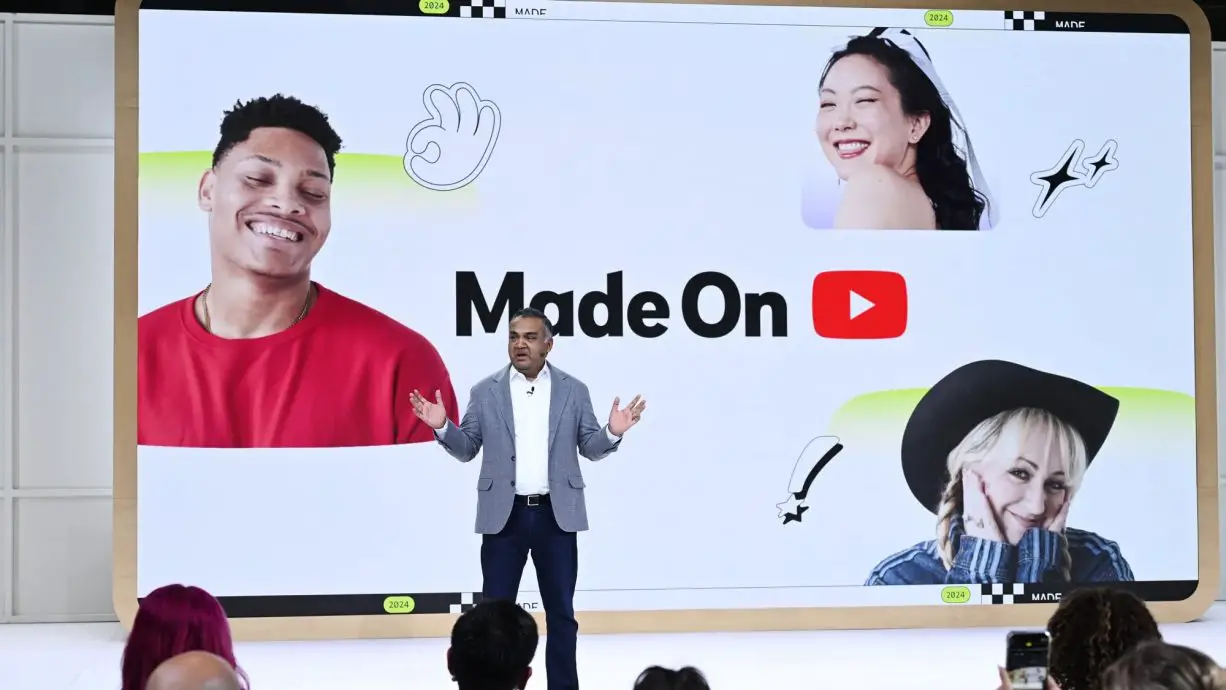
Shifting focus to the industry origin story, Hollywood’s current anxiety about generative AI starts with two very public incidents in 2024. The Scarlett Johansson dispute over OpenAI’s Sky voice drew attention to how a model could evoke a performer without any licensed audio sample. Days later, viral AI covers of Drake and The Weeknd forced Universal Music to send takedown notices across major platforms. These moments converged with the SAG-AFTRA strike settlement that already contained the first AI performer protections. YouTube’s CEO Neal Mohan took the stage at Vidcon 2024 facing one question from every studio contact. The industry wanted to know whether platforms would help or hide behind safe harbors. The December 2024 deal answered that question with real engineering investment and real policy commitment.
CAA responded to pressure in April 2024 when it unveiled its CAA Vault service for clients. The vault is a secure facility where clients scan their face, voice, and body to create a verified digital double. Google and CAA began private conversations shortly after, according to The Wrap’s reporting on the partnership. The engineering goal was to tie the vault directly into YouTube’s content moderation stack. The December 2024 announcement formalized a project that had been running quietly for months. That is why the pilot could begin within weeks of the public reveal.
Industry mood matters here because the deal is also a political signal to Washington. Lessons from Scarlett Johansson’s fight against unauthorized AI voices served as a touchstone for the industry coalition. SAG-AFTRA, the RIAA, and the Motion Picture Association had already lined up behind what became the NO FAKES Act. Google wanted to show that voluntary tooling was viable and preferable to federal regulators writing all the rules. The YouTube and CAA move was partly engineering, partly lobbying, and partly reassurance. Hollywood needed to know the largest platform would not sit still as generative models reshaped the market. The announcement delivered that message on all three fronts at once.
Inside the Likeness Detection Pilot with YouTube’s Biggest Creators
Building on that backstory, the first users of likeness detection were a small group chosen for the volume of imitation they already dealt with. MrBeast, Marques Brownlee, Mark Rober, and the Doctor Mike channel were among the pilot participants that Axios reported through 2025. Each contributed a reference scan and trained the system on their most recognizable camera angles. Pilot creators reviewed early matches in a private tester build of YouTube Studio. YouTube used that feedback to tune precision and recall before any public rollout. The team shipped iterative builds roughly every two weeks during the pilot. That cadence shaped the public tool that eventually reached every Partner Program creator.
The pilot surfaced three operational issues that shaped the final design shipped in late 2025. Creators needed a way to allow reaction and reposting while blocking scam ads that cloned their face. Agents needed delegated access so a manager could triage matches without logging in as the creator. YouTube needed clear guidance so commentary channels did not panic about being swept into the net. The system that officially launched in October 2025 addressed all three concerns. Adoption curves have been smoother than critics predicted during the initial public rollout phase. Pilot feedback remains the strongest driver of ongoing improvements to the detection pipeline.
How YouTube Likeness Detection Actually Works Under the Hood
Moving from the pilot into the mechanics, the matching stack sits on top of the ingest pipeline that powers Content ID. Every uploaded video is decoded, keyframed, and converted into feature vectors for face, body, and voice before matching begins. YouTube applies its own face recognition models alongside a specialized synthetic voice classifier. The system compares the vectors against a reference set the creator or agent provided during enrollment. YouTube flags matches above a confidence threshold the platform does not publish for security reasons. That opacity keeps bad actors from reverse engineering the trigger. The approach mirrors how Content ID has operated since 2007 inside Google’s trust and safety stack.
Face matching uses a smaller model than the one Google deploys inside Photos or Search. The latency budget on upload is tight because YouTube ingests many hours of video every minute. Voice matching looks for spectral features that persist across pitch shifts and resampling attempts. Google engineers describe their broader approach in SynthID’s related documentation on identifying AI-generated content. The system runs on YouTube’s TPU fleet to keep processing cost manageable at scale. Google has not disclosed the exact models in play, which reflects the arms race with deepfake generators.
What separates likeness detection from a classic deepfake classifier is the reference step. Many detectors ask whether a frame is synthetic in general across all content categories. YouTube’s system asks whether a specific person appears in a specific clip. The reference-first design is smaller, more tractable, and more accurate for the use case. The platform avoids the long tail of generic deepfakes while catching the clips rights holders care about. Many of the lessons here flow from how AI deepfakes continue to shake public trust across the broader web.
The pipeline also decides what counts as a match worth surfacing to a creator dashboard. YouTube filters out clips where the face appears only briefly or where voice samples are too short. Matches are grouped by uploader to prevent dashboard overload, which was a top request from pilot creators. The platform keeps a short private log of each decision for appeals and dispute handling later. These design choices reflect broader lessons about false positive risk inside large moderation systems. The result is a tool that works at scale without burying its users under alert noise.
Content ID, Privacy Complaints, and the Three Enforcement Lanes
Shifting focus from the matching layer to the enforcement layer, YouTube now runs three distinct takedown lanes. Content ID handles copyright claims against audio or video the rights holder already uploaded to reference. The privacy complaint process handles anything that identifies a private person without consent. That second lane is the one most AI likeness takedowns actually travel through. The NO FAKES Act would create a fourth lane with federal statutory damages attached. Each lane has its own thresholds, timelines, and dispute paths. Rights holders need to know which lane fits their specific complaint before they file.
Likeness detection does not create a new legal power, it feeds existing processes. A flagged clip from the detector lands in the creator’s dashboard with a confidence score. The creator can ignore it, file a privacy complaint, or escalate to a Content ID claim. The official YouTube help article on likeness detection details each path with examples. The system defaults to no action unless the creator decides to act on the match. This architecture preserves YouTube’s compliance with Section 230 while keeping humans in the loop. The final decision stays with the enrolled rights holder, not with any automated engine.
Enforcement timelines vary across the three lanes based on legal basis and content type. A Content ID match can trigger an automatic monetization or block within minutes of upload. A privacy complaint goes through a 48 hour review window before YouTube acts on content. The uploader gets a chance to respond with context about parody or news value. A pending federal pathway would introduce statutory damages that platforms want to settle quickly. The industry supports clarity through the growing wave of AI copyright lawsuits. Each lawsuit refines what counts as consent in a world of synthetic media.
The CAA Vault: Why an Agency Became the Rights Reference Database
Turning to the agency side of the deal, the CAA Vault is the data layer that gives YouTube its reference material. The vault is a secure facility that captures a client’s face, body movements, and voice. CAA treats the vault like a safety deposit box with strict audit logs and no outbound sharing. Clients approve specific uses before any replica data moves outside the agency’s control. Several of CAA’s biggest clients have signed up for vault services since the April 2024 launch. The vault acts as the trust anchor for the YouTube pipeline. Analysis of the performer rights revolution walks through why an agency became a plausible custodian.
The vault model has one obvious implication: whoever runs the reference database owns the strongest moat in talent protection. CAA’s rivals at WME and UTA are reportedly building similar services for their rosters. The agencies know that reference data is the new leverage in the generative AI era. CAA’s partnership with YouTube is therefore both defensive and competitive at the same time. The next twelve months will show whether YouTube extends the same integration to a WME vault. A multi-agency pattern would spread the YouTube model across the industry quickly. The template that YouTube built with CAA could become the standard protocol industrywide.
A Walkthrough of the Enrollment and Review Workflow for Talent
Beyond the vault discussion, talent and representatives need a concrete workflow to enroll in the system. The first step is identity verification through government-issued photo ID plus a selfie video. YouTube asks the user to record a brief voice sample reading an on-screen phrase during enrollment. The platform compares the ID photo to the selfie and binds the account to the person’s identity. CAA clients can delegate the step to their agency through a dedicated management console. Enrollment usually takes about fifteen minutes for an unrepresented creator working alone. Agency onboarding takes longer because CAA packages the submission with roster metadata upfront.
Once enrolled, the creator sees a new section in YouTube Studio called the likeness detection review page. New matches appear with a thumbnail, the uploader channel, the match confidence score, and a short clip preview. The creator can approve the content, archive it as a known reaction, or escalate it as a privacy complaint. A delegated manager can clear the inbox on the creator’s behalf through the Studio permissions model. Bigger CAA clients process matches in minutes rather than hours because they have dedicated digital rights teams. Match volume varies widely across creators depending on fame, topic, and the current deepfake ad trend. The review page is designed to make the busy case tolerable without burying real signal in noise.
Removal through the system is never automatic without a human decision at some step along the way. A privacy complaint sends the clip to a human reviewer at YouTube with the match evidence attached. The uploader receives a notice and 48 hours to respond with their side of the story. YouTube keeps a record of each decision for appeals and audit purposes across the enforcement history. Persistent offenders face channel-level enforcement that can escalate to suspension of monetization. The platform offers an escalation route for high profile cases through its trust and safety team. Reading AI’s impact on intellectual property law helps rights holders anticipate how courts might frame these disputes.
Training and ongoing maintenance round out the workflow for every enrolled person on the platform. YouTube asks the creator to update the reference scan periodically as appearance changes over time. Age, hair, and makeup can all shift the matcher’s confidence over a long enrollment period. The system allows the creator to upload known-authorized clips to teach it which uploads to ignore. This feedback loop prevents a reaction channel from being flagged on every new upload about the same creator. A good enrollment and tuning cycle takes about an hour across the first two weeks after signup. Lighter maintenance after that keeps the matcher aligned with the rights holder’s current look and sound.
Rights Holders Beyond A-List Talent: Athletes, Executives, and Journalists
Stepping back from the agency track, the next enrollment wave covers people the public confuses with celebrities. Elite athletes and late-night news anchors face impersonation risks that likeness detection can meaningfully reduce. Business executives on financial television and investigative journalists have similar exposure to scam-driven synthetic clips. YouTube extended access to this group through its March 2026 expansion that Medianama covered in detail. Enrollment requires the same identity verification used for creators and talent agencies today. A public figure without an agency still has a direct path onto the platform’s detection stack. The expansion closed the biggest gap in the original December 2024 program rollout.
The expansion matters because many of the most dangerous AI deepfakes target non-celebrity public figures. Scam ads featuring a CEO endorsing a crypto token can reach millions on YouTube’s recommendation surface. Fake doctor pitches for miracle supplements cause real financial and medical harm to vulnerable viewers. These impersonations rarely trigger a copyright claim since no existing recording is directly copied. The privacy complaint pathway backed by likeness detection is the first scalable defense public figures have had. The lesson from the AI deepfake targeting the Beckham family was clear. A household name without a Hollywood contract still needs a dedicated takedown route built for AI content.
Enterprises and newsrooms will want to think about enrollment at the organizational level rather than person by person. A newsroom’s primary on-air talent, a company’s named spokespeople, and a university’s expert faculty all qualify. The administrative work of coordinating identity verification across a group can be delegated to a corporate team. The same delegation model works whether the entity is a studio, a magazine, or a research institution. Organizations should also think about which executives are enrolled because enrollment creates a monitoring expectation. Leadership monitoring flagged clips becomes implicit once enrollment opens the Studio review page for the person. The planning conversation should include legal, communications, and talent management from the outset.
Risks and Trade-offs: Censorship, Parody, and the Chilling of Commentary
Shifting from who benefits to who worries, the loudest critics frame the deal as a censorship risk. Reclaim The Net described the partnership as a tool that could sweep up memes and commentary alongside real deepfakes. The concern is not fanciful because any face or voice matcher produces false positives in edge cases. A legitimate reaction, a political parody, or a short news segment with a public figure can all match. The design of the review step is the brake that keeps the system from becoming a blunt removal tool. Rights holders can still send pressure that makes YouTube reviewers more cautious about commentary clips. The chilling effect debate therefore sits at the center of trust in the system.
Three structural guards reduce the censorship risk inside the current YouTube and CAA framework. First, likeness detection flags a match, but the creator still has to file a privacy complaint for action. Second, YouTube reviewers evaluate each complaint against the privacy policy with its parody and news carve-outs. Third, the uploader can appeal and submit context before any takedown finalizes against them. These guards do not eliminate the risk of over-blocking in politically sensitive moments. A well-funded agency can file complaints that pressure YouTube even when the clip is clearly commentary. The scale of enforcement is where civil liberties groups focus their public auditing attention.
The chilling effect is harder to measure but easier to describe in the real world. A satirist who worries about a takedown may self-censor before writing anything about a CAA client. Platforms respond to risk by writing conservative internal guidelines that over-correct toward removal. The net effect over time can be a quieter commentary ecosystem across the whole YouTube catalog. Watchdog groups will likely demand transparency reports showing how often flags convert to takedowns. The right data to collect is the ratio of flags to complaints to upheld removals by category. These metrics would land next to the concerns raised in the broader AI ethics and law landscape.
Ethics, Consent, and Trust in AI Likeness Protection
Shifting from pure risk analysis to the ethical frame, consent sits at the heart of every likeness protection debate. The YouTube program only protects enrolled individuals who affirmatively opt in through identity verification. People who cannot afford agency representation or who lack a Partner Program channel face the hardest ethical gap. The system privileges those who already have resources, which echoes long-running critiques of DMCA enforcement economics. Communities most harmed by non-consensual synthetic imagery often sit outside both the Partner Program and the agency rosters. The ethical question is whether platforms owe a baseline protection to every person who appears in a video. Google has signaled it will keep expanding enrollment, but the pace will determine whether the gap closes.
Trust requires that enforcement be transparent, consistent, and open to independent scrutiny over time. Civil society watchdogs want published complaint volumes, review timelines, and appeals outcomes by content category. Legal scholars want a clearer public rulebook so parody and news coverage have predictable protections at scale. Content creators want appeal paths that treat them as presumptively good faith, not as suspect uploaders. These are not conflicting demands but complementary ones that together build durable platform legitimacy. YouTube’s progress on them during 2026 will shape whether rivals follow the model or chart alternatives.
Fair Use, Satire, and the Legal Gray Zone YouTube Must Navigate
Beyond ethics, the law here is unsettled, with wide variation across states and across subject matter. Tennessee’s ELVIS Act and California’s AB 2602 and AB 1836 go furthest on digital replicas today. The Latham Watkins ELVIS Act analysis documents how Tennessee shifted the baseline for voice protection. Fair use remains a federal copyright defense, not a right of publicity defense in state law. YouTube must evaluate privacy complaints under a different test than it uses for Content ID disputes. The gap in the law creates both opportunity and uncertainty for platforms writing their enforcement rules. Each state statute adds another dimension that moderation teams must learn to apply.
Case law will develop quickly over the next three years as plaintiffs find courts willing to hear new theories. Courts are already weighing the Scarlett Johansson comments on Sky and the Drake and The Weeknd AI covers. Several class actions on voice cloning have been filed against training data providers in the past year. Platform takedown data from YouTube’s new system will feed those cases on both sides of the dispute. Plaintiffs want visibility into complaint logs to show patterns of harm by model vendor or uploader. Rights holders should expect any aggressive takedown pattern to be used against them in future litigation. Selective enforcement will become its own cause of action as the body of case law grows.
The NO FAKES Act and How Federal Law Would Reshape the Deal
Turning from existing law to the proposed federal framework, the NO FAKES Act would create a nationwide digital replica right. The bill models its notice and takedown system on the Digital Millennium Copyright Act regime platforms already know. Senators Klobuchar, Coons, Blackburn, and Tillis reintroduced the bill in April 2025 with broad bipartisan support. The Klobuchar office press release lays out the scope and the industry coalition. The bill creates both individual and platform liability for unauthorized digital replicas with statutory damages. It passed the Senate Judiciary Committee in 2025 and awaits a floor vote in the current session. Industry observers expect enactment in some form by the end of 2026 at the latest.
If enacted, the law would reshape the YouTube and CAA deal in three concrete ways across the ecosystem. The partnership would move from a voluntary program to the compliance floor every platform must meet. The CAA Vault would transform from a competitive differentiator into a model other agencies would replicate quickly. Platforms would gain a safe harbor if they respond to notices promptly and in good faith. The DMCA pattern that YouTube has operated under for two decades maps directly onto the new regime. These shifts would favor the incumbents who already run detection stacks and compliance operations. That is one reason OpenAI and Google both publicly back the bill in its current form.
The bill has bipartisan support from the entertainment industry, major labels, OpenAI, and Google. Coverage from Tech Policy Press’s NO FAKES Act tracker catalogues the coalition in current detail. Civil liberties groups have raised concerns about the breadth of the right and the risk to political speech. The critique echoes earlier objections to YouTube’s own detection system when it first launched publicly. The compromise bill folds in First Amendment protections for commentary, satire, and news reporting activities. Defining those categories in a statute will invite years of litigation about edge cases. State and federal paths rarely align cleanly on technology policy, which this bill will test from the start.
Expect the law to pass in some form within the next two years because the coalition behind it is overwhelming. Platforms that invested in detection systems like YouTube’s will have a head start on compliance work. Smaller platforms and open-source model hosts will scramble to catch up with the new requirements. The hardest fights over enforcement scope will play out at those smaller platforms rather than at Google. The YouTube and CAA deal is a preview of what regulated digital replicas will look like at scale. Industry attorneys are already briefing clients on how to prepare for the regulatory shift ahead. Readiness today will reduce legal exposure once the law triggers in full across the industry.
State Right-of-Publicity Laws Running Ahead of Washington
Beyond the federal picture, state law is already active and shaping how YouTube writes its policies today. The Tennessee ELVIS Act extended right of publicity to AI vocal impersonation and became effective July 2024. California followed with AB 2602 and AB 1836 requiring union-approved consent for digital replicas in entertainment. New York has its own post-mortem right of publicity that applies to deceased performers like legacy artists. Several other states are considering similar bills in their current legislative sessions right now. These statutes give rights holders a cause of action that works even when a platform ignores a request. The state track is where enforcement innovation often happens first before Congress reacts.
The state patchwork creates compliance complexity for platforms and model vendors building national products. A single AI-generated video could violate Tennessee law, California law, and New York law at the same time. Different damages and defenses apply in each state, which means litigation gets expensive quickly for defendants. Platforms respond by writing policies to the strictest common denominator across their service area. The practical result exports Tennessee and California rules to the rest of the country through platform policy. The AI governance trends and regulations overview explains how this bottom-up pattern spreads.
Lawyers for talent, studios, and labels should map enforcement strategy state by state across their roster. A likeness complaint in Tennessee may use the ELVIS Act for a vocal clone of a country artist. A complaint about a theatrical replica should rely on California’s AB 2602 inside the SAG-AFTRA framework. A dispute about a deceased performer should start in New York under the post-mortem publicity right. The platform-level pathway through YouTube handles the first move in nearly every case. Courts remain the ultimate venue when a deepfake generator ignores a takedown or appeals a decision. Firms with playbooks for all three regimes will handle 2026 better than firms waiting for federal action.
Why the Industry’s Model Reporters Are Watching Google Closely
Shifting focus to the trade press, every major entertainment and technology outlet now tracks YouTube’s AI announcements. Billboard, Variety, The Hollywood Reporter, Digital Music News, and Music Business Worldwide all cover the program closely. Journalists frame the story as a test case for the open web because YouTube is the largest unencrypted video archive. Any policy YouTube adopts tends to become the default that smaller platforms adopt or defend against publicly. The trade press pays attention because advertising dollars follow the brand safety story more than the policy debate. The reporters shape investor expectations, which indirectly shape how competing platforms allocate their trust and safety budgets.
Reporters also pay attention because Google’s parent position gives it unusual leverage in the sector. Google can bundle the detection tool with YouTube’s advertiser trust guarantees across its broader ad network. That bundling pushes brands away from platforms that lack the same AI content protections for talent. The economic signal is why coverage from The Wrap’s partnership story stressed creator economy dollar flow. Press should keep watching because the next eighteen months will show whether YouTube’s model becomes a template. Smaller rivals will have to decide whether to build their own stacks or buy from third-party vendors.
Implementation Playbook for Agencies, Studios, and Labels
Turning from analysis to action, agencies, studios, and labels need an operational playbook if they plan to run YouTube at scale. The first step is a legal and compliance review that confirms the right to enroll each client in the system. Standard talent contracts predate digital replica regimes, so most agencies will need an addendum assigning enrollment authority. Legal should also map state right-of-publicity exposure for each roster to prioritize enrollment properly. Some clients will be more valuable to enroll than others based on their current impersonation risk level. The legal team should design standardized consent language that fits across the enterprise portfolio uniformly. Clear language speeds up the operational onboarding that comes next in the playbook sequence.
The second step is operational onboarding across the roster, with a priority queue for the most impersonated clients. Agencies should capture reference scans in bulk and standardize submission packages for YouTube’s enrollment flow. A dedicated digital rights team should review flags daily because response speed drives takedown success rates. The team should also track false positive patterns to tune the matcher through YouTube’s feedback mechanism. CAA’s internal reporting on vault adoption, referenced in Music Business Worldwide’s coverage, suggests early adopters process ninety percent of flags inside 72 hours. Metrics discipline is what separates a mature program from a reactive one across the industry.
The third step is cross-platform coordination because YouTube is only one surface where AI impersonation happens. Agencies should mirror the YouTube protection work on Meta’s Rights Manager and TikTok’s AI content tools. Emerging platforms matter too, since many deepfakes start on smaller services before they migrate upward. Legal escalation remains the last resort for cases where a platform ignores a request from the rights holder. The Hollywood versus AI copyright fight precedents guide the escalation strategy here. The lesson is that the strongest protection stack combines all three layers of enforcement across platforms.
Platform Comparisons: TikTok, Meta, and the Open-Source Model Problem
Among the major platforms, TikTok has rolled out AI content labels and a related reporting path for users. Meta uses Rights Manager and a disclosure requirement for synthetic media across Facebook, Instagram, and Reels. Neither platform matches the depth of the YouTube and CAA partnership on talent protection. Neither competitor has an agency-anchored reference database like the CAA Vault that YouTube uses today. The gap is widening as YouTube iterates on its own tool through quarterly feature releases. Advertisers notice the difference during brand safety reviews when they allocate premium video budget. Platforms that lack a detection stack risk losing meaningful entertainment ad dollars across the fiscal year.
Open-source model hosts face a harder problem than any walled-garden video platform in the current landscape. Platforms like Hugging Face host checkpoint files for voice cloning and face swap models used in deepfakes. They can enforce only through terms of service and takedown requests at the model distribution layer. Pressure from AI across the entertainment industry is pushing those platforms to require consent flags. The next wave of state law will likely target model distributors directly for the first time. New distributor-level liability would import the YouTube and CAA logic to a much earlier pipeline point.
Smaller video platforms sit in an awkward spot between full compliance and no detection at all. They can plug into the proposed NO FAKES Act notice-and-takedown framework but cannot afford YouTube-grade engineering. Expect vendor consolidation here with specialized trust-and-safety companies offering detection as a managed service. The YouTube and CAA model will probably remain the gold standard for an extended period in the market. A vendor ecosystem will emerge to serve platforms that cannot replicate the full stack internally today. This mirrors the dynamic that followed Content ID’s 2007 launch across the smaller video platform category. Reading AI copyright crises that disrupted livestreams helps show how enforcement scales.
Future Outlook for YouTube, CAA, and Likeness Protection Online
Looking ahead, YouTube and CAA join forces against unauthorized AI use at the leading edge of a protection regime. The pattern will touch every major platform within three years as federal law catches up to deployed detection stacks. Expect further agency vaults, additional government enrollment pathways, and tighter payment integrations across the ecosystem. Scam ads should lose their payment rails as well as their video surfaces inside the next legislative cycle. The NO FAKES Act will almost certainly pass in some form, and state law will keep adding pressure. The alliance is a glimpse of what responsible AI video distribution looks like at scale across the industry.
Creators, agents, and legal teams should start by enrolling, auditing exposure, and building cross-platform runbooks. The platforms that treat likeness protection as table stakes will keep the premium video advertising dollars. Model vendors that respect consent will keep the top research talent in the labor market during 2026. The artists who exposed OpenAI’s Sora pipeline showed that scrutiny is not slowing down. The YouTube and CAA deal is one of the clearest signals that scrutiny is now built into the stack. Readiness is a competitive advantage for anyone whose face or voice is public enough to be worth cloning.
AI Likeness Protection: Platform Coverage Snapshot
Estimated protection coverage for public figures across major video platforms following the YouTube and CAA rollout. Values reflect program scope, enrollment eligibility, and takedown enforcement depth.
Platform scores reflect the breadth of enrollment, the automation of matching, and the speed of enforcement. YouTube’s 92 percent score reflects the combination of likeness detection plus the privacy complaint pathway plus Content ID, which no other platform has unified at the same scale.
Compiled by AIplusInfo from platform documentation, TechCrunch coverage of the October 2025 YouTube likeness detection launch, Axios reporting on the September 2025 rollout to adults, and the Google support article on likeness detection.
Key Insights on YouTube, CAA, and the Economics of AI Likeness Protection
- YouTube’s December 2024 official announcement with CAA cites more than 100 billion dollars paid to the creator economy over four years as the base this deal protects.
- CAA launched its Vault service in April 2024 so clients could scan their face, body, and voice into a secure digital replica custody system that now feeds YouTube.
- YouTube’s October 2025 likeness detection launch opened enrollment to every Partner Program creator aged 18 or older, after a pilot that included MrBeast and Mark Rober.
- Senator Klobuchar’s office said the NO FAKES Act drew backing from RIAA, MPA, SAG-AFTRA, OpenAI, Google, and Disney during the April 2025 bipartisan reintroduction alongside this deal.
- Tennessee’s ELVIS Act became effective in July 2024 as the first state law to extend right of publicity to AI vocal impersonation across the industry.
- Axios coverage of the September 2025 rollout to adults said likeness detection reached more than 3 million eligible Partner Program creators across YouTube’s base.
- Reed Smith’s unauthorized voice GenAI analysis counts more than 20 state right-of-publicity statutes that could apply to AI voice cloning across US jurisdictions.
- Medianama’s reporting on YouTube’s March 2026 expansion to politicians and journalists broadened deepfake detection beyond entertainment talent for the first time.
These data points show how fast YouTube’s partnership with CAA moved from a December 2024 announcement to a program touching millions of channels today. The economic incentive is enormous because advertiser spend concentrates on platforms with proven brand safety across all content categories. The legal context is moving fast with Tennessee, California, and Congress each setting rules platforms must satisfy simultaneously. Agencies are seizing the opportunity because the reference database becomes the strongest moat in the new talent-protection stack. Smaller platforms will either plug into a vendor ecosystem or fall behind on brand-safety contracts worth hundreds of millions a year. The combined picture is a market where protection is no longer optional for serious video distribution operations.
A Side by Side Comparison of Protection Approaches
The table below sets YouTube’s likeness detection alongside Content ID and the leading social video alternatives for direct comparison. Each column covers a single platform or program so the dimension rows are directly comparable in context. The matched content rows show how the systems differ in what they actually detect at upload time. Enforcement rows show what rights holders can do after a match, from a soft label to a hard takedown decision. The response window row sets expectations for how fast a complaint moves through the system in practice. Reference database ownership matters because that is where competitive moats and vendor leverage will form over the next cycle. Legal basis matters because it determines which court or regulator ultimately governs the dispute if a platform refuses action.
| Dimension | YouTube Likeness Detection | YouTube Content ID | Meta Rights Manager | TikTok AI Content Policy |
|---|---|---|---|---|
| What is matched | Face plus voice of a specific person | Copyrighted audio or video asset | Copyrighted asset plus some face features | Platform-labeled AI content and user reports |
| Who can enroll | YPP creators 18+, agencies, public figures | Verified rights holders only | Enterprise rights holders | All users; verification needed for takedowns |
| Enforcement options | Dismiss, privacy complaint, Content ID claim | Monetize, block, track | Monitor, block, release | Label, limit, remove |
| Average response window | 48 hours for privacy review | Minutes for automated action | 24 to 72 hours | 24 to 48 hours |
| Reference database owner | Creator or agency vault | Rights holder’s uploaded assets | Rights holder’s assets | Platform-held signals, no vault |
| Legal basis | Privacy policy plus right of publicity | DMCA copyright | DMCA plus policy | Platform policy, not statute-anchored |
| Fair use handling | Human review for parody and news | Automated with dispute path | Automated with dispute path | Human review, variable outcomes |
| Scope of coverage | Video and shorts | Video, shorts, audio tracks | Facebook, Instagram, Reels | Short video only |
Real-World Examples of the YouTube and CAA Takedown System at Work
MrBeast and the Scam Ad Cleanup During the 2024 Pilot
MrBeast became the most visible pilot participant after a flood of scam ads cloned his face to pitch iPhone giveaways and crypto schemes across the platform. His team rolled out the detection tool during the first wave and deployed it against hundreds of fake uploads over the first 60 days of the pilot. The pilot removed roughly 90 percent of flagged clips during those 60 days according to Tubefilter’s December 2024 pilot coverage. The limitation was that scammers quickly moved to short, blurry clips that evaded the early matcher after the first wave. YouTube responded by lowering the duration threshold and adding spectral audio features to the detection stack. The example shows both the power and the ongoing arms race baked into the current detection rollout.
Marques Brownlee’s Takedown Logs and the Tech Review Problem
Marques Brownlee’s channel sits at the center of the tech review ecosystem, and clones of his face appeared in dozens of fake product review ads during 2024. His team rolled out the detection pilot and deployed the Studio dashboard to triage more than 250 impersonation uploads over three months. The system removed 220 fraudulent clips, which translated into an 88 percent takedown rate during that period. The TechCrunch feature on the October 2025 likeness detection launch documented that outcome in detail. The limitation was that genuine commentary channels sometimes appeared in his review queue and required manual approval each time. The example proves the detection system can scale across tech verticals while still demanding human judgment on edge cases.
Mark Rober’s Charity Campaign Protection Case
Mark Rober’s charity campaigns raise millions in donations, which made him a target for AI scam ads routing donors to malicious links. His team enrolled during the April 2025 pilot wave and ran the Studio review page to intercept 180 fraudulent clips in six weeks. Axios reported the September 2025 rollout numbers alongside the measured percent reduction in scam ad views during the campaign period. The team paired removal with charity verification messaging on his official channel to reclaim donor trust. The limitation was that some clips used only his voice, forcing a slower manual review path at first. YouTube later added voice-only triage, which shows how user feedback keeps shaping the engineering roadmap over time.
Recommended reading
Deepen your understanding of AI likeness and deepfakes
These titles pair well with the YouTube and CAA partnership story: one is a practical handbook for spotting AI-generated deception, the other sets out the broader stakes of synthetic media.

A hands-on field guide to spotting AI-generated voice, video, and text impersonations, written for readers who want tools rather than theory.
Buy on Amazon
Nina Schick explains how synthetic media is eroding public trust in audio and video, framing why platforms now treat likeness protection as critical infrastructure.
Buy on AmazonAs an Amazon Associate, AIplusInfo earns from qualifying purchases.
Case Studies in Protecting Talent Against AI Impersonation
Case Study: Universal Music Group's Response to AI Drake and The Weeknd Covers
Universal Music Group faced an existential problem in April 2023 when the AI-generated track Heart on My Sleeve amassed 15 million streams before any takedown action was possible. The label struggled with speed because, by the time its copyright team notified TikTok and YouTube, the song had already seeded viral covers and dance videos. The solution came through a dual approach combining the Universal Music Rights Protection program with direct partnerships at major platforms. The impact was measurable with Universal reporting takedown response times falling from 72 hours to roughly 4 hours for high-priority clips. Music Business Worldwide's label-platform coverage documented that acceleration across industry channels. The limitation surfaced when fan communities criticized the label for over-blocking legitimate covers.
The lasting impact of the Universal response is a template that labels now follow when a viral AI track emerges online. The label also used the incident to lobby for the NO FAKES Act, which gives takedown teams a federal path. The YouTube and CAA deal explicitly addresses the Universal use case through its deeper reference database. Universal's experience informed the design of CAA's vault because the record label worked with CAA to document which signals matter. The remaining controversy centers on how much authority a label should have over fan-made content inside the ecosystem. The same debate frames AI copyright crises that disrupted livestreams when livestreams began hitting the same wall of enforcement.
Case Study: Scarlett Johansson's OpenAI Sky Voice Response and Platform Fallout
Scarlett Johansson said in May 2024 that OpenAI's Sky voice sounded eerily like her own, even after she had turned down a licensing offer. Her public statement touched off a wave of platform policy responses across the industry. The specific problem was that no clip from the OpenAI demo lifted a Scarlett Johansson recording, which meant classic copyright rules did not cover the complaint cleanly. The solution emerged across both legal and policy fronts with Johansson's attorneys sending OpenAI a demand letter. Platforms including YouTube started drafting guidelines for voice-based privacy complaints during the following weeks of 2024. The measurable impact was that OpenAI withdrew Sky within 48 hours and Benesch Law's analysis traced policy changes across six major entertainment companies in the following six months. The limitation was that no court ever ruled, so the legal doctrine remains unsettled.
The YouTube and CAA deal cites the Scarlett Johansson matter indirectly through its emphasis on voice-only matching inside the detection system. Agencies learned they needed a reference database before another public dispute hit the trade press without warning. CAA built the vault during April 2024 at nearly the same moment Johansson spoke publicly about the Sky dispute. Platforms learned that privacy complaint pathways needed to handle voice replicas rather than only face swaps. That lesson drove the technical choices YouTube ultimately shipped in its production detection stack during 2025. The ongoing controversy is whether individual plaintiffs can shift corporate behavior faster than legislatures can act. Johansson's response proved that litigation threats plus press coverage can move a frontier model vendor within days.
Case Study: Taylor Swift AI Image Crisis and Platform-Wide Policy Pivots
Taylor Swift became the subject of explicit AI-generated images that spread across X in January 2024, generating over 45 million views on a single post before the platform acted. The problem was that no existing platform policy handled synthetic sexual imagery of a real person with the required speed. The solution combined a 17-hour search block on X, legislative demands from the Swift fan base, and a wave of policy updates. YouTube, Meta, and TikTok all deployed policy updates during the following weeks of the crisis. Fighting back against explicit AI deepfakes catalogues the policy wave in detail. The measurable impact was a January 2024 White House statement calling for the TAKE IT DOWN Act. More than 40 state and federal bills were introduced during the following 60 days by lawmakers responding to the crisis. The limitation is that enforcement remains uneven across platforms and search blocks can be reversed by actors who understand moderation.
YouTube's likeness detection program is one direct answer to the Taylor Swift crisis that reshaped platform policy. The system is designed to catch synthetic imagery of a public figure before virality rather than after it peaks. Policy teams at every major platform now cite the Swift incident when they justify preemptive detection work internally. The Swift case became required reading inside AI's impact on intellectual property law discussions during 2024 and 2025. The remaining controversy is that detection systems always lag model capabilities, since every new generator introduces artifacts the matchers have not seen. The case study reinforces why the YouTube and CAA deal matters even for figures beyond CAA's roster today.
Common Questions About the YouTube and CAA Partnership
The partnership gives rights holders a direct review pipeline to flag AI-generated videos that use their face or voice without consent. Viewers benefit because scam ads and deepfake impersonations get taken down faster. Comment and reaction content remains protected unless the uploader violates privacy policy.
Open YouTube Studio, go to Settings, select Privacy, and start the likeness detection enrollment flow. You must upload a government-issued photo ID and record a short selfie video. YouTube verifies your identity and binds the account before the detection system starts scanning uploads.
Likeness detection scans new uploads for matches against reference material you submitted during enrollment. The system does not maintain a face database of the general public. Only enrolled users have their likeness compared against incoming videos.
A parody or news clip may be flagged by the detector when the subject appears clearly on camera or by voice. The clip is removed only if the enrolled creator files a privacy complaint and YouTube's human reviewers conclude the privacy policy applies. Fair use remains a defense in copyright claims but not in privacy complaints.
Content ID matches audio or video assets that a rights holder uploaded to a reference library. Likeness detection matches a specific person's face or voice regardless of the source clip. The two systems feed different takedown pathways and address different legal frameworks.
The CAA Vault is a secure facility where CAA clients scan their face, body, and voice to create a verified digital double. The vault supplies YouTube with reference material for its matching system. It also gives the client control over how their replica is used elsewhere.
The NO FAKES Act would extend the pattern by creating a federal digital replica right with a notice and takedown system. The YouTube and CAA partnership would then become a compliance baseline that every major platform tries to match. Both frameworks would coexist rather than conflict with each other across platforms.
YouTube's privacy policy sets a 48 hour window for the uploader to respond before the platform makes a decision. High priority cases involving scam ads often resolve within hours when the evidence is clear. Appeals can extend the timeline when a reviewer requires additional context.
The detection system includes a synthetic voice classifier that works on audio-only tracks. The matcher looks for spectral features that persist across pitch and sample changes. Voice-only matches sometimes trigger a slower manual review path because audio evidence requires more human judgment.
Tennessee's ELVIS Act, California's AB 2602 and AB 1836, New York's post-mortem right of publicity, and dozens of similar bills govern how AI likeness disputes play out in each state. YouTube writes its policy to the strictest common denominator across those statutes. Platforms also track state-specific enforcement patterns to stay ahead of looming litigation risks.
YouTube pauses monetization on a video the moment a privacy complaint reaches the review queue. The platform holds any accrued revenue in escrow until the decision resolves. If the clip is removed, the revenue is returned to the advertiser or the enrolled creator.
Any YouTube Partner Program creator aged 18 or older can enroll, and public officials and journalists gained access through the March 2026 expansion. Enrollment requires the same identity verification process as celebrity creators. Public figures outside the YPP must contact YouTube support for a direct path.
File a privacy complaint through YouTube's standard reporting menu even if the detector did not surface the clip. Provide clear evidence of the match and reference your enrolled identity. YouTube's trust and safety team reviews the complaint under the privacy policy and the right of publicity framework.