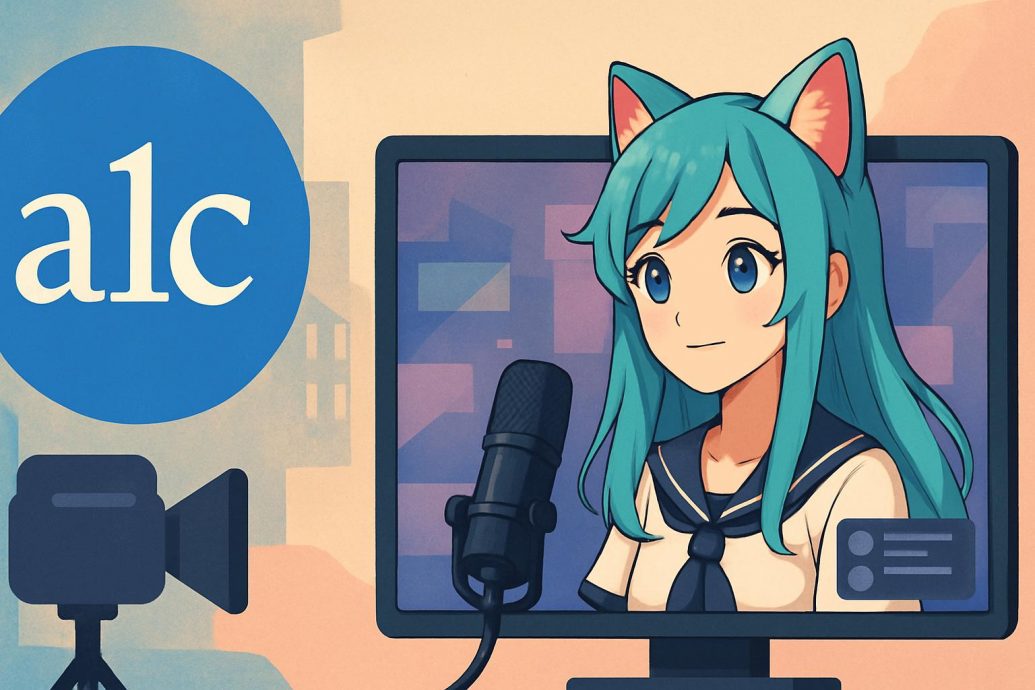

a16z Backs AI VTuber Startup Channel
a16z Backs AI VTuber Startup Channel. This headline marks a milestone move by Andreessen Horowitz into Japan’s dynamic tech and digital entertainment space. The firm’s latest investment in Channel, a Tokyo-based startup building AI-powered virtual avatars, signals a deepening interest in generative AI entertainment with global implications. As anime and digital influencer cultures converge, Channel offers a scalable, autonomous model for virtual personalities that could reshape media, gaming, and online fandom worldwide. This investment is significant not only for Japan but also for the future of AI-generated content across the digital creator space.
Key Takeaways
- Andreessen Horowitz (a16z) has made its first major Japanese tech investment by backing AI VTuber startup Channel.
- Channel uses large language models to develop autonomous VTuber personas, blending anime culture with generative AI technology.
- The VTuber market is growing rapidly, with Japan leading global trends in synthetic media and virtual influencers.
- Channel is positioned to compete with startups like Synthesia, Neosapience, and Fable in the evolving digital entertainment space.
a16z Japan Investment: Why Channel?
Andreessen Horowitz’s investment in Channel signals confidence in Japan’s expanding AI ecosystem and the revenue potential of generative entertainment platforms. This strategic move, led by a16z’s Tokyo office, places the firm at the intersection of synthetic media, cultural innovation, and scalable influencer technologies.
This decision reflects growing venture capital interest in Asia, where digital content consumption is thriving. According to Deloitte’s 2024 AI and Media report, the APAC region ranks highest in adoption of AI-generated characters and virtual performance platforms. In Japan, Statista projects the VTuber market will surpass $1.5 billion USD by 2027.
What Channel Actually Builds
Channel focuses on creating autonomous AI VTubers, digital avatars powered by large language models. These avatars engage in real-time conversations, perform live, and evolve their personas based on audience interaction and current cultural trends. They are not limited to scripted or pre-recorded sequences.
The company’s technology stack integrates generative voice AI, language models, and video puppeteering tools. This enables each character to react in real time, execute complex story arcs, and shape fan-centered narrative worlds. Such capabilities lay the foundation for next-generation storytelling and user engagement in entertainment, marketing, and even retail.
According to co-founder Hiroshi Fukuda, the objective is “to create rich, self-evolving characters that feel emotionally real while being infinitely scalable.” This approach is already resonating with Gen Z audiences that favor interactive and creator-driven content over traditional media formats.
VTuber Market by the Numbers
Japan is at the heart of the VTuber industry. Initially driven by real people using motion-tracked anime avatars, the space has transformed into a $1 billion market dominated by companies like Cover Corp and AnyColor.
Data from Japan’s Ministry of Economy, Trade, and Industry (METI) reveals that more than 20 million fans globally follow VTuber content each month. About 3,500 active VTuber channels operate across platforms such as YouTube, Bilibili, and Twitch. With generative AI enhancing production, autonomous VTubers promise to scale output while reducing the need for human streamers.
The use of AI-driven digital influencers is growing beyond entertainment. Companies are exploring these tools for customer support, brand representation, and education. Channel’s platform is positioned to lead within this broader shift.
How Channel Compares to Global AI Content Startups
| Company | Core Product | Market Focus | AI Integration |
|---|---|---|---|
| Channel | Autonomous AI VTubers | Entertainment, Streaming, Influencers | Voice, language, avatar autonomy |
| Synthesia | AI video generation for enterprises | Corporate training, education | Text-to-video, scripted AI presenters |
| Fable | AI character IP creation | Animation studios, virtual storytelling | Multimodal story generation |
| Neosapience | AI voice avatars | Content creators, advertisements | Text-to-speech engines with emotional nuance |
While Synthesia and Neosapience target corporate and advertising segments, Channel’s direct-to-consumer approach emphasizes fan interactivity and streaming culture. This strategy offers unique advantages in content virality, user retention, and brand collaborations.
Global Expansion and Cultural Innovation
Though Channel originated in Tokyo, its potential is global. As digital creators increasingly monetize their presence across platforms like YouTube and TikTok, the rise of scalable avatars marks a new phase in influencer tech. AI characters can now function around the clock, speaking multiple languages, and maintaining engagement without human fatigue.
Channel intends to roll out multilingual VTuber personas targeting markets in East Asia and English-speaking regions. This opens new revenue paths through brand licensing, IP development, and live virtual events, much like the success seen with Hatsune Miku and K-pop virtual idols.
The synthetic media sector attracted more than $3.9 billion in investments in 2023, according to Pitchbook. As the global creator economy, estimated at $250 billion, is projected to reach $480 billion by 2027 (Goldman Sachs), companies like Channel are well positioned to redefine how digital experiences are created and consumed. For an in-depth look at how artificial intelligence is reshaping entertainment, visit AI and the entertainment industry.
Expert Commentary & Strategic Implications
Ben Horowitz, co-founder of a16z, stated, “We believe Channel operates at the frontier of creativity and code. Their platform captures what modern audiences want—content that adapts, evolves, and connects.”
Media analyst Mika Yamamoto said, “Channel represents the intersection of three fast-growing areas: generative AI, virtual influencers, and global fandom. Their localization-first strategy gives them a strong advantage in turning cultural nuance into compelling virtual experiences.”
This combination of deep local awareness and frontier technology supports a16z’s broader belief that culturally embedded tech platforms will shape the next era of consumer innovation. For more on Andreessen Horowitz’s recent bets in generative AI, read a16z’s support of another AI startup.
What is a VTuber and how does AI power them?
A VTuber, or Virtual YouTuber, is a digital avatar that represents a personality. Traditionally, these avatars were animated through motion capture and guided by real individuals. Now, AI-powered VTubers like those from Channel operate using large language models and voice synthesis tools, making them fully autonomous and capable of holding conversations and reacting to audiences without direct human oversight.
Why is a16z investing in Japanese AI startups?
Andreessen Horowitz recognizes Japan as a leader in digital content innovation. The country’s influence in anime, gaming, and avatar-based interaction provides fertile ground for scalable AI systems. The Tokyo office is part of the firm’s strategy to fund companies that creatively blend software and media for a global audience.
Who is behind the Channel VTuber startup?
Channel was founded by Hiroshi Fukuda and Naoko Tanaka, both of whom have expertise in machine learning, game design, and interactive media. The team is based in Tokyo and secured funding from top-tier investors, including a16z during its Series A round.
How big is the VTuber market in Japan?
Statista projects the Japanese VTuber market to exceed $1.5 billion by 2027. Platforms like YouTube and Twitch host thousands of VTuber channels, mainly operated by agencies like Hololive and Nijisanji. These channels garner millions of views and serve deeply invested fan communities both domestically and overseas.
Conclusion: Why Channel Matters in the AI Creator Economy
Channel is not simply another artificial intelligence startup. It represents a fundamental shift toward emotionally engaging, culturally rich, and algorithmically scalable digital experiences. By merging state-of-the-art language technology with creative animation workflows, Channel is helping shape a future where autonomous avatars are key players in the expanding digital content ecosystem.