
Introduction
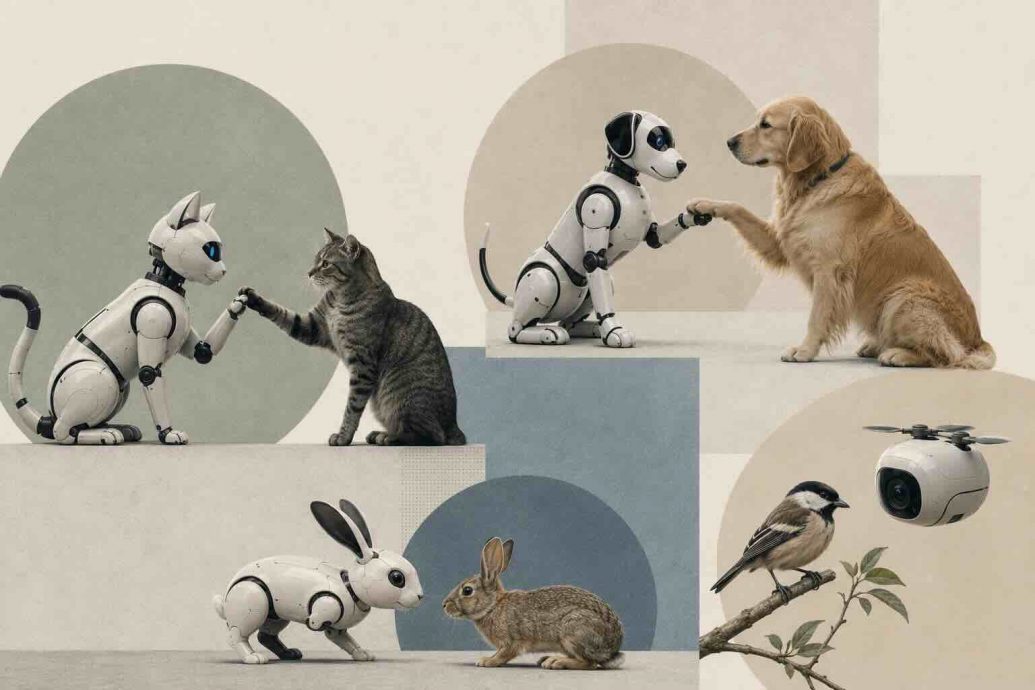
The boundary between the natural world and artificial intelligence is dissolving faster than most people realize. Researchers across six continents are now deploying AI-powered robots directly into animal habitats to study behavior, protect endangered species, and transform agricultural practices. A 2024 review published in Ecological Informatics found that AI-driven animal robots can observe wildlife without disturbing natural behaviors, offering a multifaceted toolkit for conservation biologists. From robotic fish swimming alongside zebrafish in laboratory aquariums to animatronic spy creatures infiltrating penguin colonies for BBC documentaries, the interactions between animals and AI robots are revealing profound insights about cognition, emotion, and social structure. The field of animal-robot interaction (ARI) has grown from a niche curiosity into a recognized discipline, with dedicated datasets, peer-reviewed frameworks, and international conferences. This convergence of biology and robotics is reshaping how humans understand, protect, and coexist with the animal kingdom. The implications stretch far beyond the laboratory, touching agriculture, therapy, filmmaking, ethics, and the future of ecological conservation. As AI systems grow more sophisticated, the question is no longer whether animals will interact with robots, but how those interactions will redefine the boundaries of intelligence itself.
Quick Answers on Animals Interacting with AI Robots
What happens when animals encounter AI robots?
Animals respond to AI robots based on species, robot design, and behavioral cues. Fish may shoal with robotic companions, primates examine unfamiliar machines before accepting them, and livestock can be guided by autonomous systems across pastures.
Can AI robots replace live animals in therapy settings?
Therapeutic robots like PARO, an FDA-approved robotic seal, have been shown to reduce anxiety and depression in dementia patients. They offer emotional benefits without the infection control risks that live animals pose in clinical environments.
Are AI animal robots used in wildlife conservation?
Bioinspired robots serve as proxies for studying elusive species, monitoring endangered populations, and deterring predators from livestock. They collect real-time field data while minimizing human disruption to fragile ecosystems.
Key Takeaways
- AI-powered robots are now integrated into animal behavior research, conservation monitoring, therapeutic care, and agricultural management across dozens of species.
- Biomimetic design principles allow robots to infiltrate animal groups by replicating species-specific movement patterns, social cues, and physical appearances.
- Ethical frameworks for animal-robot interaction remain underdeveloped, with growing calls to include animal welfare considerations in AI alignment and governance.
- The MBE-ARI dataset, accepted at ICRA 2025, provides the first multimodal resource for studying bidirectional engagement between robots and animals.
Table of contents
- Introduction
- Quick Answers on Animals Interacting with AI Robots
- Key Takeaways
- Understanding Animal-Robot Interaction in the Age of AI
- Why Researchers Deploy AI Robots Among Living Animals
- The Science Behind Biomimetic Robot Design
- How Fish Respond to Robotic Companions Underwater
- Robotic Spy Creatures in Wildlife Filmmaking
- Therapeutic Robot Animals and Human-Animal Bonding
- AI Robots in Livestock Management and Agriculture
- Predator Deterrence Through Robotic Movement Systems
- How Dogs and Primates React to AI-Powered Machines
- Sensor Technologies Enabling Natural Animal Interactions
- Bidirectional Communication Between Robots and Animals
- Conservation Robots Monitoring Endangered Species
- Ethical Boundaries in Animal-Robot Research
- Risks of AI Robots to Animal Welfare and Behavior
- Regulatory Frameworks Governing Animal-Robot Studies
- The Future of Embodied AI in Animal Ecosystems
- Building Inclusive AI Systems That Consider Animal Interests
- Key Insights on Animals and AI Robot Interaction
- Comparing Animal-Robot Interaction Across Domains
- How AI Robot Animals Are Transforming Research and Conservation
- Landmark Studies in Animal-Robot Interaction
- Frequently Asked Questions on Animals Interacting with AI Robots
Understanding Animal-Robot Interaction in the Age of AI
Animal-robot interaction is the interdisciplinary study of how living animals perceive, respond to, and engage with robots equipped with artificial intelligence, sensors, and biomimetic features designed to replicate species-specific behaviors in research, conservation, and applied settings.
This field draws from robotics, ethology, computer science, and veterinary science to create systems that can integrate into animal social groups. Early pioneers like Konrad Lorenz and Nikolaas Tinbergen used mechanical dummies to study animal behavior in controlled settings, laying the groundwork for what is now a sophisticated discipline. Modern robotics powered by AI has transformed those static dummies into responsive, learning machines. Robots today can adjust their movements in real time based on input from cameras, accelerometers, and machine learning algorithms. The transition from passive observation tools to active participants in animal societies marks one of the most significant shifts in behavioral science this century. Universities and research institutions on every continent are investing in specialized labs dedicated to closing the gap between robotic capabilities and biological complexity.
Animal-Robot Interaction Explorer
Sources: Frontiers in Robotics and AI, ICRA 2025, ScienceDirect Ecological Informatics, PeerJ Life & Environment. Data compiled from peer-reviewed studies 2016 to 2026.
Why Researchers Deploy AI Robots Among Living Animals
The study of animal behavior has always been constrained by the observer effect, where the mere presence of human researchers alters the behaviors they seek to document. AI robots offer a compelling solution to this longstanding problem. By mimicking the appearance and movement of real animals, these machines can embed themselves within social groups without triggering the alarm responses that human observers typically provoke. Researchers at institutions like NYU Tandon School of Engineering and Purdue University have demonstrated that robotic replicas can elicit authentic social behaviors from their living counterparts. The ability to control experimental variables while maintaining ecological validity makes AI robots uniquely powerful tools for behavioral science. These systems generate repeatable, customizable conditions that traditional observation methods simply cannot match. The data collected through animal-robot interactions feeds directly into machine learning models that refine our understanding of cognition, communication, and social hierarchy.
Conservation biology presents another compelling reason to place robots among animals. Species that are endangered, nocturnal, or inhabit remote locations have historically been difficult to study without significant disruption. Bioinspired robots equipped with environmental sensors can operate in these challenging habitats for extended periods, collecting data on movement patterns, feeding behavior, and reproductive cycles. A research team at the University of Nevada, Reno, is developing a robotic watering system called RoboHydra that guides sheep across grazing pastures while using facial recognition AI to track individual animal health and movement. This approach simultaneously addresses animal welfare and land management challenges. The system represents a new model for integrating autonomous technology into pastoral agriculture, reducing labor demands while improving outcomes for both animals and ecosystems.
Therapeutic applications also drive the deployment of robot animals among living creatures and human patients alike. In clinical environments where live animals pose infection control risks, robotic alternatives provide emotional support without biological hazards. Hospitals, nursing homes, and pediatric intensive care units have adopted robotic animals as substitutes for traditional animal-assisted therapy. The PARO therapeutic robot seal, approved by the FDA as a Class II medical device, has been deployed in healthcare settings across more than 30 countries. Studies published in the Journal of the American Medical Directors Association found that PARO reduced agitation in dementia patients with statistical significance. These therapeutic deployments demonstrate that the interaction between living beings and artificial agents can produce measurable physiological and psychological benefits.
The Science Behind Biomimetic Robot Design
Biomimetic design, the practice of engineering robots that replicate the physical form and movement patterns of living organisms, sits at the core of successful animal-robot interactions. The principle is straightforward: animals are more likely to accept and interact naturally with a robot that looks, moves, and behaves like a member of their own species. Engineers at EPFL’s Biorob laboratory in Switzerland have perfected this approach by extracting detailed locomotion data from biological specimens and translating it directly into robotic actuators. Their Pleurobot, a bio-imitative robot that walks and swims with the swiveling gait of amphibious animals, served as the foundation for a robotic crocodile deployed in a BBC wildlife documentary. The convergence of biological data and engineering precision enables robots to cross the boundary from mechanical curiosity to social participant. Each new generation of biomimetic robots demonstrates tighter integration between observed animal mechanics and robotic execution.
Material science plays a critical role in the success of biomimetic robots. Carbon fiber skeletons provide the lightweight strength needed for walking and swimming robots, while silicone skins can replicate the texture of animal fur, feathers, or scales. The miniature robotic fish developed for zebrafish research measures just 7.5 centimeters, matching the size ratio of its living counterparts. Its tail beats at variable frequencies and amplitudes, driven by a rechargeable battery that supports autonomous underwater operation for up to one hour. Magnetic coupling systems connect the underwater lure to an external mobile robot, allowing precise trajectory control while maintaining the illusion of independent swimming. These engineering details matter because animals are remarkably sensitive to subtle deviations from expected sensory input. A robot that moves too smoothly, too rigidly, or at the wrong speed will be identified as foreign and either avoided or attacked.
The AI component of biomimetic robots has evolved from simple pre-programmed behaviors to sophisticated closed-loop control systems. Early robotic animals followed fixed trajectories regardless of what living animals around them were doing. Modern systems use computer vision and real-time tracking software to adjust their behavior in response to the actions of nearby animals. At NYU Tandon School of Engineering, researchers designed and tested the first closed-loop control system featuring a bioinspired robotic replica interacting in three dimensions with live zebrafish. The system allowed the robotic replica to both perceive and mimic the behavior of live zebrafish in real time. This transition from open-loop to closed-loop control represents a fundamental advancement in the field. The robot is no longer just a stimulus: it is a participant capable of responding to the social dynamics of its biological counterparts.
Future biomimetic designs will likely incorporate soft robotics, biodegradable materials, and neuromorphic computing to create even more lifelike interactions. Soft robotic actuators that mimic muscle tissue can produce the organic, fluid movements that rigid mechanical joints cannot replicate. Researchers at multiple institutions are exploring bio-hybrid systems that combine living muscle tissue with synthetic scaffolds, blurring the line between organism and machine entirely. These approaches promise robots that not only look and move like animals but respond with the adaptive flexibility that characterizes biological systems. The scientific community recognizes that achieving true integration with animal societies requires robots that can perceive, learn, and adjust at the speed of natural social interaction.
How Fish Respond to Robotic Companions Underwater
Moving from design principles to live deployment, the study of fish-robot interactions has produced some of the most rigorous and revealing data in the animal-robot interaction field. Zebrafish (Danio rerio) have emerged as the primary experimental species for these studies due to their well-characterized behavior, high reproduction rate, and availability of sequenced genomes. Research teams have demonstrated that robotic fish can modulate zebrafish shoal cohesion, confirming that artificial agents can meaningfully influence collective animal behavior. In binary choice tests conducted at the Polytechnic Institute of New York University, individual zebrafish and small shoals showed attraction to robotic lures when the alternative was an empty compartment. The speed of the robot’s tail beats directly affected the strength of the attraction response. These findings established that carefully calibrated robotic stimuli can reliably elicit social behavior in fish, creating a new experimental paradigm for studying collective decision-making.
Predator-prey dynamics represent another dimension of fish-robot interaction research. Scientists have deployed robotic replicas inspired by natural predators, including the Indian Leaf Fish and the Red Tiger Oscar, to study fear responses in zebrafish. Closed-loop robotic predators that adjust their behavior based on the zebrafish’s movements elicit consistent fear responses, and zebrafish quickly learn to adjust their behavior to avoid the predator’s attacks. A study published in Frontiers in Robotics and AI confirmed that the interactive nature of closed-loop control produces more ecologically valid results than pre-programmed robot movements. Interestingly, researchers also found that computer-animated images of predators did not trigger the same aversion responses as physical robotic replicas. This suggests that the three-dimensional, tangible presence of a robotic stimulus carries information that two-dimensional representations cannot convey.
The applications of fish-robot interaction extend beyond fundamental research into practical domains like environmental monitoring and aquatic conservation. Robotic fish equipped with water quality sensors could someday patrol waterways, blending in with local populations while collecting data on pollution levels, temperature changes, and dissolved oxygen concentrations. The technology for underwater biomimetic robots continues to advance, with newer designs achieving greater autonomy and longer operational durations. As these systems mature, they will offer conservation biologists non-invasive monitoring tools that can operate in sensitive aquatic ecosystems without the disturbance caused by traditional sampling methods. The fish-robot interaction studies of today are building the technical and scientific foundation for a generation of autonomous underwater conservation agents.
Robotic Spy Creatures in Wildlife Filmmaking
The intersection of animal-robot interaction and wildlife filmmaking has produced some of the most culturally visible examples of this technology in action. John Downer Productions, based in Bristol, UK, has pioneered the use of animatronic spy creatures equipped with cameras to infiltrate animal groups for BBC documentaries. Their landmark series, Spy in the Wild, deployed 34 different animatronic spy creatures across habitats worldwide, from penguin colonies in Antarctica to primate troops in Borneo. These robots filmed over 8,000 hours of footage, capturing never-before-seen behaviors including a mother crocodile gently carrying robot babies in her mouth and a chimpanzee treating a camera robot as a beloved pet. The emotional depth revealed by these interactions challenged assumptions about animal cognition and forced viewers to reconsider the inner lives of species they had previously regarded as instinct-driven. Each spy creature took three to six months to develop, with the walking crocodile requiring nearly a year of engineering work.
Perhaps the most emotionally resonant moment from the Spy in the Wild series occurred when a robotic spy monkey was dropped by a group of Langur monkeys. The troop appeared to believe they had accidentally killed a baby, and the monkeys crowded around the lifeless robotic infant showing signs of genuine grief. This moment illustrated that animals can extend empathy and social care toward artificial agents that approximate their own kind. A robotic hummingbird captured the sight of half a billion monarch butterflies awakening during migration. A male tortoise attempted to mate with a spy tortoise camera, demonstrating how convincingly realistic the robots appeared. These documentary applications have raised public awareness about animal intelligence while simultaneously advancing the engineering of biomimetic robotic systems. The cultural impact of seeing animals interact naturally with robots on screen has accelerated public interest in and funding for animal-robot interaction research.
Therapeutic Robot Animals and Human-Animal Bonding
Shifting from wildlife settings to clinical environments, the deployment of therapeutic robot animals represents one of the most mature applications of animal-robot interaction technology. The PARO therapeutic robot, modeled on a baby harp seal, has been the subject of more than two decades of clinical research. It responds to touch, sound, light, and temperature through embedded sensors, adapting its behavior to encourage continued engagement from patients. A three-month randomized study published in the Journal of Geriatric Nursing found that PARO provided a viable alternative for controlling symptoms of anxiety and depression in elderly patients with dementia. Oxygen saturation, pulse rate, and galvanic skin response all improved in patients who interacted with the robotic seal compared to those receiving standard care. These clinical outcomes demonstrate that the emotional bond between humans and artificial animals can produce physiological changes comparable to those achieved through traditional animal-assisted therapy.
The advantages of robotic animal therapy in clinical settings are practical as well as therapeutic. Live animals carry risks of allergies, bites, infections, and unpredictable behavior, particularly in environments like pediatric intensive care units where patients are severely immunocompromised. A feasibility study conducted in a Pediatric ICU explored the safety and therapeutic effects of PARO during physical and occupational therapy sessions with critically ill children. The study found that the robot was both safe and acceptable in this high-acuity setting. Nursing staff reported that PARO increased their willingness to communicate with patients, particularly those with severe cognitive impairment. The robot required no feeding, no veterinary care, and no sanitation protocols, making it logistically simple to integrate into existing therapy programs. As healthcare systems worldwide seek scalable, consistent therapeutic interventions, robotic animals offer a compelling solution that eliminates the biological variability inherent in working with live animals.
Ethical questions surrounding therapeutic robot animals center on the issue of deception. Some critics argue that allowing dementia patients to bond with a machine they believe to be alive constitutes a form of emotional manipulation. Caregivers and ethicists have voiced concerns about infantilization, where the use of toy-like robots may diminish the dignity of elderly patients. A 2025 review published in Frontiers in Robotics and AI examined these ethical challenges across two Canadian studies involving PARO and the Lovot robot. The researchers advocated for an equity-focused approach that includes the voices and desires of marginalized groups, especially older adults with dementia, in decisions about robot deployment. These discussions reflect a broader tension within the field: the demonstrable therapeutic benefits of robotic animals must be weighed against philosophical concerns about authenticity, consent, and the nature of genuine emotional connection.
AI Robots in Livestock Management and Agriculture
The agricultural sector offers a distinctly different context for animal-robot interactions, one driven by economic efficiency, animal welfare, and food security. Autonomous robots are being deployed to automate tasks such as feeding, milking, monitoring health, and guiding livestock across grazing pastures. AI in livestock management allows farmers to monitor animals in real time using smart sensors embedded in wearables or placed in animal enclosures. These sensors track vital signs, activity levels, and individual weight, enabling data-driven decisions about nutrition, housing, and veterinary intervention. Machine learning algorithms analyze this data to detect trends, predict disease outbreaks, and recommend adjustments to feeding schedules. The integration of AI-powered robots into livestock operations represents a fundamental restructuring of the human-animal-technology relationship in food production.
The University of Nevada, Reno research team developing the RoboHydra system illustrates where agricultural animal-robot interaction is heading. This autonomous mobile robotic watering system pairs with facial-recognition AI to track sheep health and movement across real pastures, not controlled labs. The robot wanders with the sheep, providing water and guiding grazing patterns while collecting behavioral data. Robotic milking systems have already been widely adopted in dairy farming, allowing cows to be milked on demand, which improves both animal welfare and milk production. The gradual introduction of robots into livestock settings has shown that animals typically adapt within days, with acceptance rates exceeding 90% when exposure is managed carefully. These agricultural applications demonstrate that AI robots can enhance productivity while simultaneously improving the quality of life for farm animals.
Predator Deterrence Through Robotic Movement Systems
Predator-livestock conflicts represent one of the most persistent challenges in agricultural communities worldwide, and AI-powered robots are offering new solutions to this ancient problem. A study published in PeerJ Life and Environment tested the integration of robotics and agricultural practices to develop more efficient predator deterrents. The researchers used a colony of captive coyotes and simulated predation events with meat baits placed both inside and outside of protected zones. Light-based deterrents were tested alongside robots with predetermined and adaptive movement capabilities. The results demonstrated that incorporating adaptive robotic movement exponentially increased the survival time of protected resources both inside and outside the protected zone. This finding suggests that the unpredictability of robotic movement makes deterrents far more effective than static systems.
Japan has deployed robot wolves to safeguard agricultural fields from wildlife intrusion, replacing traditional electric fences with an approach that leverages animal fear responses to unfamiliar, moving objects. Bird-inspired flapping robots have been tested as deterrents near airports, where bird congregations during flight operations pose serious safety risks to aviation. These applications share a common principle: animals habituate to static threats but remain wary of unpredictable, mobile ones. The USDA National Wildlife Research Center collaborated with the University of Washington to conduct the predator deterrence study, emphasizing the importance of combining spatial management of livestock with robotic technology. The integration of robotics into wildlife management provides a pathway toward nonlethal solutions that protect both agricultural resources and wildlife populations.
The effectiveness of robotic predator deterrents depends on several factors, including the target species, the environment, and the complexity of the robot’s behavioral repertoire. Simple light-and-sound devices lose effectiveness over time as predators learn to recognize them as non-threatening. Robots that move in unpredictable patterns and adapt their behavior based on sensor input maintain their deterrent effect over longer periods. Researchers are now exploring AI-driven systems that can learn the behavioral patterns of local predator populations and adjust their deterrence strategies accordingly. This adaptive approach mirrors the arms race that has always existed between predators and prey in the natural world. The long-term goal is to develop autonomous deterrent systems that can operate indefinitely in remote agricultural settings without human intervention or maintenance.
How Dogs and Primates React to AI-Powered Machines
The cognitive sophistication of dogs and primates produces animal-robot interactions that are qualitatively different from those observed in fish or livestock. Dogs, as domesticated animals with millennia of co-evolution alongside humans, exhibit complex social cognition that includes theory of mind, joint attention, and emotional responsiveness. When confronted with robotic agents, dogs initially display exploratory behavior, sniffing and circling the machine before deciding whether to engage. Research has shown that dogs are particularly sensitive to contingent social behavior, meaning they are more likely to interact with a robot that responds to their actions than one that operates on a fixed program. AI-powered robot dogs like those developed by Boston Dynamics have been observed triggering mixed responses in domestic dogs, ranging from playful engagement to cautious avoidance depending on the individual animal’s temperament and prior experiences. The nuanced reactions of dogs to robotic agents reflect the deep cognitive flexibility that domestication has cultivated over thousands of years.
Primates present an even more complex picture. The BBC’s Spy in the Wild series documented chimpanzees, orangutans, and Langur monkeys interacting with animatronic spy creatures. Primates consistently demonstrated a two-phase response pattern: an initial double-take of surprise and inspection followed by either acceptance or rejection of the robot. Apes and monkeys often gave a quick examination when they first encountered the oddly-moving robots. Because the documentary team made great efforts to design non-threatening appearances, the robots were frequently accepted into the family group. A chimpanzee was filmed treating a camera robot like a personal pet, carrying it to bed at night. Orangutans displayed curiosity-driven manipulation, turning the robots over and examining their mechanical features. These interactions provide evidence that primates assess novel objects not just for threat potential but for social compatibility and utility.
Laboratory research with primates and robots has focused on understanding social cognition, empathy, and communication. Robotic agents designed to replicate the facial expressions and gestures of specific primate species can serve as controlled social stimuli in experiments that would be difficult to conduct with live conspecifics. The advantage is that the robot’s behavior can be precisely calibrated and repeated across trials, eliminating the variability introduced by living social partners. This methodological consistency allows researchers to isolate specific variables, such as eye contact duration, body orientation, or vocalizations, and measure their individual effects on the subject’s behavior. The ethical benefit is that using robots as social stimuli can reduce the number of living primates required for behavioral experiments.
The emerging field of animal-computer interaction (ACI) has begun to formalize the study of how intelligent mammals engage with technology. Clara Mancini’s ACI manifesto called for a non-speciesist approach to research, urging that both human and nonhuman participants be treated as individuals equally deserving of consideration. This philosophical framework has influenced the design of primate-robot interaction studies, pushing researchers to consider the subjective experience of the animal participant alongside the scientific objectives of the experiment. The combination of advanced AI with primate cognition research promises insights that could reshape our understanding of intelligence, sociality, and the evolutionary roots of human-technology interaction. Ongoing work at institutions like Purdue University and others continues to refine the tools and frameworks needed for this challenging intersection of robotics and comparative psychology.
Sensor Technologies Enabling Natural Animal Interactions
The ability of AI robots to interact naturally with animals depends entirely on the quality and sophistication of their sensor systems. Modern animal-interaction robots rely on a suite of technologies including RGB-D cameras, LIDAR, accelerometers, gyroscopes, infrared sensors, and acoustic microphones. The MBE-ARI dataset, accepted at ICRA 2025, captures detailed interactions between a legged robot and cows using synchronized RGB-D streams from multiple viewpoints. The dataset is annotated with body pose and activity labels across interaction phases, offering an unprecedented level of detail for animal-robot interaction research. A full-body pose estimation model developed alongside the dataset tracks 39 keypoints on quadruped animals with a mean average precision of 92.7%, outperforming existing benchmarks in animal pose estimation. This level of perceptual capability allows robots to interpret animal body language with a precision that approaches human expert observation.
Acoustic sensors add another layer of interaction capability. Many animal species communicate through vocalizations that carry information about emotional state, territorial boundaries, and social status. Robots equipped with directional microphones and AI-powered sound classification algorithms can detect and interpret these vocal signals in real time. In livestock applications, acoustic monitoring allows robots to identify distress calls, mating vocalizations, and signs of illness without requiring physical contact with the animal. The fusion of visual, acoustic, and kinematic sensor data through machine learning algorithms creates a multimodal perception system that mirrors, in simplified form, the way animals themselves integrate sensory information to navigate their social environments. As sensor technology continues to miniaturize and become more energy-efficient, the perceptual capabilities of animal-interaction robots will converge with the sensory acuity of the animals they study.
Bidirectional Communication Between Robots and Animals
Early animal-robot interaction studies were fundamentally one-directional: animals observed and responded to robots, but the robots could not perceive or adapt to the animals in return. The transition to bidirectional communication represents the most significant methodological advance in this field. Bidirectional systems allow the robot to perceive the animal’s behavior, interpret its significance through AI algorithms, and generate an appropriate response in real time. This closed-loop interaction creates a genuine social exchange rather than a stimulus-response experiment. The zebrafish mirroring system developed at NYU Tandon demonstrated the power of this approach by enabling a robotic fish to both perceive and mimic the behavior of its living counterparts. Bidirectional communication between robots and animals transforms the robot from a passive tool into an active social agent capable of influencing and being influenced by the animals it encounters.
The technical challenges of achieving real-time bidirectional communication are substantial. The robot must process sensor data, run behavioral classification algorithms, generate motor commands, and execute movement, all within the time window that the animal’s perceptual system treats as contingent. For fast-moving species like zebrafish, this window may be measured in milliseconds. For slower-moving species, the robot has more time but must produce more complex behavioral sequences to maintain social credibility. Transfer entropy analysis has been applied to quantify the information flow between robots and animals, revealing that effective bidirectional interactions create measurable information transfer in both directions. This analytical framework provides an objective metric for evaluating the quality of animal-robot communication.
The implications of bidirectional animal-robot communication extend far beyond the laboratory. In conservation settings, robots that can read and respond to the behavioral cues of wild animals could serve as autonomous guardians, guiding endangered species away from threats or toward resources. In agricultural contexts, herding robots that respond to the stress signals of livestock could manage animal movement more humanely than current methods. The agricultural supply chain would benefit from robots that detect early signs of disease through behavioral changes and respond by isolating affected animals before infections spread. Each of these applications requires a robot that can not only observe but understand and react, bridging the communication gap between artificial intelligence and biological intelligence.
Conservation Robots Monitoring Endangered Species
Conservation biology stands to benefit enormously from AI robots that can embed themselves in endangered animal populations without causing the disruption associated with human observation. Traditional wildlife monitoring techniques, including tagging, trapping, and helicopter surveys, create stress that can alter the very behaviors scientists are trying to study. Bioinspired robots offer a non-invasive alternative that can collect data over extended periods while blending into the habitat. The AI for Good Innovation Factory, a global initiative supported by the International Telecommunication Union, has highlighted the potential of animal-inspired robots to advance ecological conservation through continuous environmental monitoring. Robots disguised as members of the target species can observe reproductive behavior, social hierarchies, feeding patterns, and migration routes without the ethical complications of physical capture and tagging. This non-invasive approach to wildlife monitoring addresses one of the central paradoxes of conservation science: the need to study animals without changing them.
The World Wildlife Fund has partnered with Intel on a conservation project that uses AI to monitor Siberian tiger populations. The system uses computer vision to recognize individual tigers by their stripe patterns, which are as unique as human fingerprints. While this particular project relies on stationary cameras rather than mobile robots, it demonstrates the AI capabilities that will soon be integrated into autonomous field robots. Anti-poaching efforts have already benefited from AI-powered drones that use infrared and heat sensors to detect poacher activity in protected areas. The Grumeti Game Reserve in Tanzania deploys tiny AI-powered cameras that act as 24/7 surveillance systems, reducing reliance on ranger patrols. As robotic platforms become more capable and affordable, the transition from stationary surveillance to mobile, biomimetic monitoring agents will accelerate across conservation programs worldwide.
Marine conservation presents unique opportunities for underwater robotic agents. Coral reef monitoring, whale tracking, and deep-sea biodiversity surveys all require platforms that can operate in environments hostile to human divers. Biomimetic underwater robots designed to resemble fish or marine invertebrates could patrol reef systems, documenting species diversity and detecting signs of bleaching or pollution. The same AI systems that enable robotic fish to interact with zebrafish in laboratories are being adapted for open-water applications. These conservation robots will need to be robust enough to withstand ocean currents, resistant to biofouling, and capable of autonomous navigation over large areas. The scientific and technical foundations laid by decades of animal-robot interaction research are now converging with the urgent practical needs of global conservation efforts.
Ethical Boundaries in Animal-Robot Research
The growing sophistication of animal-robot interactions demands equally sophisticated ethical frameworks to govern them. A 2025 paper published in Science, Technology, and Human Values proposed a relational meta-ethical approach to bioinspired animal-robot interaction, arguing that the ethical boundary lies not in the distinction between a real or fake relationship but in the degree of mutual engagement between the robot and the organism. If an animal stops engaging with a robot or shows signs of distress, continuing the interaction becomes ethically questionable. This framework shifts the ethical analysis from abstract philosophical principles to observable behavioral indicators, grounding ethical judgment in the animal’s own responses. The relational approach to animal-robot ethics prioritizes the lived experience of the animal over the scientific goals of the researcher, establishing a new standard for welfare-conscious experimental design.
Consent and autonomy present particular challenges in animal-robot research. Unlike human research subjects, animals cannot provide informed consent to participate in experiments involving robotic agents. Institutional Animal Welfare Oversight Committees review protocols for animal-robot interaction studies, but the standards and criteria for approval vary significantly across institutions and countries. The question of whether an animal has the right to disengage from an interaction with a robot, and whether researchers are obligated to honor that disengagement, remains actively debated. Some researchers argue that avoidance behavior should be treated as a clear indicator that the interaction is unwanted and should be terminated. Others maintain that temporary avoidance is a natural part of the habituation process and does not constitute meaningful distress.
The broader AI ethics community has begun to recognize the need to include animal welfare in its frameworks. A 2024 paper in Humanities and Social Sciences Communications warned that the replacement of biological animals with AI-driven zoomorphic social robots could deepen human alienation from animals, particularly in agricultural contexts. The paper argued that AI systems used in factory farming risk creating a loophole where no entity, human or machine, bears legal responsibility for animal suffering. This concern extends beyond agriculture to any context where robots intermediate the relationship between humans and animals. If robotic caregivers replace human veterinary workers in livestock operations, who is accountable when the system fails to detect or respond to animal distress? These questions reflect the broader challenge of assigning moral and legal responsibility in systems where decision-making is distributed across human operators and autonomous machines.
The principle of the Three Rs, replacement, reduction, and refinement, which has guided ethical animal research for decades, offers a useful lens for evaluating animal-robot interaction studies. Robots can reduce the number of live animals needed for behavioral research by serving as controllable social stimuli. They can refine experimental procedures by eliminating the variability and stress associated with live conspecific interactions. In some cases, robots may even replace the use of live animals entirely, such as using robotic predators instead of live predators in fear response studies. The ethical calculus is not straightforward, as robotic interactions introduce new forms of potential stress, including the confusion and distress animals may experience when confronted with entities that look like conspecifics but behave in unexpected ways. Responsible application of the Three Rs requires ongoing assessment of how animals actually respond to robotic agents, informed by the growing body of empirical data from interaction studies.
Risks of AI Robots to Animal Welfare and Behavior
Despite the many benefits of animal-robot interaction, the technology carries real risks to animal welfare that demand careful consideration. Physical harm is the most immediate concern: a robotic lawn mower study published in Animals tested 18 different models on hedgehog cadavers and found that some caused extensive damage, with significant differences based on blade type. Models with pivoting blades, skid plates, and front wheel drive demonstrated higher safety indices. This study highlights the fact that even well-intentioned robotic deployments in animal habitats can cause lethal harm if engineering fails to account for wildlife encounters. The researchers urged collaboration with manufacturers to improve safety for hedgehogs and other garden wildlife species. The intersection of consumer robotics and wildlife habitats creates risks that are often invisible to the humans who purchase and deploy these machines.
Behavioral disruption represents a subtler but potentially more far-reaching risk. Animals that interact with robots mimicking their own species may develop maladaptive behaviors if the robotic stimulus provides inaccurate social information. A robot that behaves like a conspecific but lacks the ability to reciprocate critical social functions, such as grooming, alarm calling, or cooperative foraging, could disrupt established social structures within animal groups. Long-term exposure to robotic agents that approximate but do not fully replicate conspecific behavior could lead to habituation effects that alter how animals respond to real members of their species. The field currently lacks longitudinal studies tracking the long-term behavioral consequences of sustained animal-robot interaction, a gap that researchers are increasingly recognizing as a priority. Without this data, the full welfare implications of embedding robots into animal societies remain uncertain, and caution is warranted when designing experiments with extended interaction periods.
Regulatory Frameworks Governing Animal-Robot Studies
The regulatory landscape for animal-robot interaction research is fragmented and, in many jurisdictions, underdeveloped. Most existing animal research regulations were written long before robots capable of social interaction with animals existed. Institutional Animal Care and Use Committees (IACUCs) in the United States and equivalent bodies in other countries evaluate proposals involving animal subjects, but few have specific guidelines addressing the unique risks posed by robotic interactions. The Animal Welfare Act in the United Kingdom mandates that responsible persons must take reasonable steps to ensure that animal needs are met, but the law presumes a human agent is responsible. When AI systems make decisions about how to interact with animals, the question of legal responsibility becomes complicated. The gap between existing animal welfare regulations and the capabilities of modern AI-robot systems creates a governance vacuum that the research community is only beginning to address.
International variation in regulatory standards creates additional challenges for the field. Research that would require extensive ethical review in one country may face minimal scrutiny in another, leading to inconsistent welfare protections for animal subjects. The European Union’s Directive 2010/63/EU on the protection of animals used for scientific purposes provides one of the most comprehensive regulatory frameworks, but it does not specifically address robotic interactions. Some researchers have called for international consensus guidelines that would establish minimum welfare standards for animal-robot interaction studies regardless of where they are conducted. Industry applications in agriculture and wildlife management often fall outside the scope of research regulations entirely, as they are classified as commercial operations rather than scientific studies.
The development of appropriate regulatory frameworks will require input from robotics engineers, animal behaviorists, ethicists, and policymakers. Multidisciplinary advisory panels could evaluate proposed animal-robot interaction protocols with expertise spanning both the technical capabilities of the robotic systems and the welfare needs of the target species. Transparent reporting standards would help build a shared evidence base from which regulatory recommendations can be drawn. The research community has a responsibility to proactively develop these governance structures rather than waiting for regulatory bodies to react after incidents of harm have occurred. The rapid pace of advancement in both AI and robotics means that governance frameworks will need to be adaptive, incorporating new data and technologies as they emerge.
The Future of Embodied AI in Animal Ecosystems
The trajectory of animal-robot interaction technology points toward a future in which AI-powered robots are permanent, integrated participants in animal ecosystems rather than temporary experimental tools. A 2026 study published in Nature Machine Intelligence demonstrated an AI system that enables a four-legged robot to autonomously adapt its gait to different, unfamiliar terrain, inspired by how real animals transition between gaits in response to ground conditions. This adaptive locomotion capability is a prerequisite for deploying robots in unstructured natural environments where they must navigate the same physical challenges as the animals around them. The University of Leeds and University College London collaboration behind this research described it as a major step toward using legged robots in hazardous settings such as search and rescue or nuclear decommissioning. The same adaptive AI that allows robots to traverse unknown terrain will enable them to move naturally alongside wild animals, a necessary condition for long-term integration into ecosystem monitoring programs.
Reinforcement learning frameworks are accelerating the refinement of neuromechanical models that bridge the gap between simulated and real animal movement. A May 2026 study highlighted how these frameworks systematically identify key parameters responsible for discrepancies between how robots and real animals move. By closing this gap, engineers can produce robots whose movements are nearly indistinguishable from their biological counterparts. This level of movement fidelity will be essential for applications where animals must accept robots as members of their social group over extended periods. The combination of adaptive locomotion, real-time perception, and behaviorally appropriate responses will produce a new category of autonomous ecological agents capable of coexisting with wildlife populations indefinitely.
Looking further ahead, the integration of AI robotic systems with satellite tracking, environmental sensor networks, and cloud computing platforms could create interconnected monitoring ecosystems that span entire biomes. Individual robots embedded in animal groups would contribute local observations to a global data platform, enabling real-time tracking of migration patterns, population dynamics, and ecosystem health at scales never before possible. Climate change, habitat destruction, and biodiversity loss have created an urgent need for exactly this kind of comprehensive, persistent ecological monitoring. The convergence of advances in AI, robotics, materials science, and energy storage positions animal-robot interaction technology as one of the most promising tools for addressing the environmental crises of the coming decades.
Growth of Animal-Robot Interaction Research Publications (2015 to 2025)
Number of peer-reviewed publications indexed in major databases by year
Sources: Frontiers in Robotics and AI, ScienceDirect, IEEE Xplore, PubMed. Chart represents approximate publication counts across animal-robot interaction, bio-inspired robotics, and ethorobotics categories.
Building Inclusive AI Systems That Consider Animal Interests
The development of AI systems that explicitly consider animal welfare and interests represents an emerging frontier in AI ethics and alignment research. A 2025 paper in Philosophy and Technology argued that AI alignment efforts must be expanded beyond their current anthropocentric scope to include the interests and welfare of animals. The authors pointed to research showing that many AI applications, from computer vision systems to large language models, can perpetuate speciesist biases that reinforce discriminatory attitudes toward animals. When users interact with AI-powered meal planning applications, domestic robots, or smart refrigerators, the system’s default recommendations may reinforce the consumption of factory-farmed animal products unless the AI has been aligned with broader ethical values. Including animal welfare considerations in AI alignment is not merely a philosophical exercise; it has concrete implications for how AI systems influence billions of human decisions affecting animal lives every day.
The practical challenge of building animal-inclusive AI systems is significant. Animals cannot participate in the preference surveys, feedback loops, and alignment procedures that shape AI behavior toward human users. Proxy measures, such as behavioral indicators of welfare, physiological stress markers, and ecological impact assessments, must be developed and integrated into AI training pipelines. The growing body of data from animal-robot interaction studies provides exactly the kind of empirical foundation needed to inform these welfare metrics. As AI systems become more powerful and more deeply embedded in industries that affect animals, from agriculture to urban planning to transportation, the question of whether and how to align those systems with animal welfare will become increasingly urgent. Researchers working at the intersection of AI ethics, animal welfare science, and robotics are laying the groundwork for a more inclusive technological future that recognizes the interests of all sentient beings.
Key Insights on Animals and AI Robot Interaction
- A Frontiers in Robotics and AI study demonstrated that closed-loop robotic predators elicit consistent fear responses in zebrafish, with fish quickly adapting their behavior to avoid robotic attacks.
- Research from the USDA National Wildlife Research Center found that adaptive robotic movement exponentially increased predator deterrent effectiveness compared to static systems.
- The PARO therapeutic robot seal has been shown across multiple clinical studies to reduce anxiety, depression, and agitation in dementia patients, with measurable improvements in physiological indicators including oxygen saturation and pulse rate.
- The MBE-ARI dataset from Purdue University achieved 92.7% mean average precision in tracking 39 body keypoints on quadruped animals during robot interactions.
- John Downer Productions built over 60 robotic spy creatures for BBC documentaries, filming 8,000+ hours of footage that captured behaviors including primate grief responses and crocodile maternal care.
- A wildlife conservation study of 18 robotic lawn mower models found that pivoting blades, skid plates, and front wheel drive significantly increased safety for hedgehogs.
- The University of Nevada, Reno’s RoboHydra project is developing autonomous robotic watering systems that guide sheep across pastures using facial recognition AI to track individual animal health.
- AI alignment researchers are calling for inclusion of animal welfare in AI governance frameworks, noting that current systems perpetuate speciesist biases that affect billions of animal lives.
The convergence of these research streams paints a picture of a field that is maturing rapidly across multiple fronts simultaneously. Animal-robot interaction is no longer confined to proof-of-concept demonstrations in controlled laboratory settings. The technology is being deployed in real-world agricultural operations, clinical healthcare environments, wildlife habitats, and commercial documentary productions. Each application domain contributes unique data and insights that feed back into the core science, creating a virtuous cycle of technological improvement and biological understanding. The therapeutic benefits documented in clinical trials provide evidence that artificial agents can form meaningful, measurable bonds with living beings. The conservation applications demonstrate that robotic technology can serve ecological goals without the disruption caused by human presence. The ethical debates surrounding these interactions are producing governance frameworks that will shape not only animal-robot research but the broader relationship between AI systems and the natural world.
Comparing Animal-Robot Interaction Across Domains
| Dimension | Research/Laboratory | Conservation/Wildlife | Agriculture/Livestock | Therapy/Healthcare |
|---|---|---|---|---|
| Primary Goal | Behavioral data collection | Species monitoring and protection | Productivity and welfare optimization | Patient emotional support |
| Robot Design | Biomimetic replicas of target species | Camouflaged field agents | Functional utility robots | Companion animal replicas |
| Animal Acceptance | Variable by species and design | High when biomimicry is strong | 91%+ with gradual introduction | N/A (human patients) |
| AI Complexity | Closed-loop real-time adaptation | Autonomous navigation and sensing | Predictive health analytics | Touch and sound responsive |
| Ethical Concerns | Stress, behavioral disruption | Habitat interference | Alienation from animals | Deception, infantilization |
| Regulatory Framework | IACUC review, variable standards | Wildlife protection laws | Agricultural regulations | Medical device approval |
| Data Output | Pose estimation, behavioral coding | Population, migration, ecology | Health metrics, productivity | Clinical outcomes, mood |
How AI Robot Animals Are Transforming Research and Conservation
NYU Tandon’s Closed-Loop Zebrafish Interaction System
Researchers at the NYU Tandon School of Engineering developed the first closed-loop control system enabling a bioinspired robotic fish to both perceive and mimic the behavior of live zebrafish in three dimensions. The system used real-time tracking software to enable the robot to mirror the movements of its living counterparts, creating a genuine bidirectional social exchange. This mirroring behavior, while basic, represented a powerful first step toward enriching the exchange between artificial and biological agents. The research demonstrated that robotic fish capable of observing and responding to live fish elicited stronger social engagement than pre-programmed robots following fixed trajectories. The limitation of this approach was that mirroring is a simplified form of social interaction that does not capture the full complexity of zebrafish communication. Results were published in Scientific Reports, establishing a foundational methodology for the field.
USDA Coyote Predator Deterrence Trial
The USDA National Wildlife Research Center partnered with the University of Washington to test robotic predator deterrents using a colony of captive coyotes. The study compared static light deterrents against robots with predetermined and adaptive movement patterns. Adaptive movement, where the robot changed its behavior in response to coyote positioning, exponentially increased the survival time of protected resources compared to static or pre-programmed alternatives. The study’s significance lies in providing empirical evidence that robotics can enhance nonlethal wildlife management tools. A key limitation was the use of captive rather than wild coyotes, which may respond differently to novel stimuli. The findings, published in PeerJ, emphasized that combining spatial livestock management with robotic deterrents produces better outcomes than either strategy alone.
BBC Spy in the Wild Documentary Robots
John Downer Productions deployed 34 animatronic spy creatures across global habitats for the BBC’s Spy in the Wild series. These robots, equipped with camera eyes filming in 4K resolution, infiltrated animal groups ranging from penguin colonies to primate troops. The production revealed behaviors never previously captured on camera, including a mother crocodile gently transporting robot babies and Langur monkeys displaying grief over a seemingly lifeless spy monkey. Each robot required three to nine months of development, with the walking crocodile built in collaboration with EPFL’s Biorob laboratory using a carbon fiber skeleton and amphibious locomotion. The limitation of this application is that documentary robots are optimized for visual fidelity rather than scientific data collection. The cultural impact was substantial, shifting public perception of animal cognition and generating widespread interest in animal-robot interaction research.
Landmark Studies in Animal-Robot Interaction
Case Study: PARO Robot Seal in Dementia Care
A landmark randomized controlled trial examined the effects of the PARO robotic seal on residents of dementia care facilities over a three-month period. The problem was significant: behavioral and psychological symptoms of dementia increase caregiver burden and are frequently managed through pharmacological interventions with undesirable side effects. The PARO intervention involved 20-minute sessions three times per week, during which patients interacted freely with the robot. The solution provided patients with a tactile, responsive companion that did not require the infection control protocols needed for live animal therapy. Measurable impacts included statistically significant reductions in anxiety and depression scores, improvements in oxygen saturation and pulse rate, and decreased use of PRN (as-needed) medications. Patients receiving PARO interventions also showed significantly lower levels of observed pain compared to those receiving usual care. A limitation of the study was its relatively small sample size and the fact that it was conducted within a single care model. Published findings from this and related studies established PARO as the most extensively validated social robot for elderly care.
The deployment of PARO in an Italian Alzheimer’s day center extended these findings into a European healthcare context. A study protocol published in Frontiers in Public Health outlined a 12-week intervention with two sessions per week. The experimental group interacted with PARO during 20-minute therapy sessions, while the control group received usual care activities. Researchers measured quality of life, cognitive functioning, and levels of anxiety and depression. The objective was to evaluate whether the benefits demonstrated in previous PARO studies could be replicated in a day center setting, which differs structurally from residential nursing facilities. This multi-site, cross-cultural approach to validation is essential for building the evidence base needed to justify wider clinical adoption of therapeutic robot animals.
Case Study: MBE-ARI Dataset for Cow-Robot Interaction
Researchers at Purdue University and Clemson University developed the MBE-ARI (Multimodal Bidirectional Engagement in Animal-Robot Interaction) dataset, accepted at ICRA 2025. The problem was foundational: while human-robot interaction benefits from established datasets and frameworks, animal-robot interaction lacked the resources needed for systematic research. The solution was to create a multimodal dataset capturing detailed interactions between a legged robot and cows using synchronized RGB-D streams from multiple viewpoints. The dataset includes annotations for body pose and activity labels across interaction phases. A companion pose estimation model tracks 39 body keypoints with 92.7% mean average precision. The measurable impact is that this dataset provides the first publicly available, standardized benchmark for evaluating animal-robot interaction systems. A limitation is that the dataset focuses exclusively on cattle, and generalization to other species will require additional data collection. The resources are publicly available on GitHub, inviting broader research community participation.
Case Study: Robot Wolves for Agricultural Wildlife Deterrence in Japan
Japanese agricultural communities deployed robotic wolves equipped with motion sensors, LED eyes, and recorded wolf howls to protect crops and livestock from wildlife intrusion. The problem was persistent damage to farmland by wild boar and deer, which traditional fences had failed to control. The robot wolf solution replaced static electric fences with an unpredictable, multi-sensory deterrent that exploited the deep-seated fear responses that prey animals have toward predators. Field reports indicated significant reductions in crop damage in areas where the robots were deployed. The measurable impact included cost savings from reduced crop losses and the elimination of the ethical concerns associated with lethal wildlife control methods. A limitation of the deployment was the potential for wildlife to habituate to the robot over time, reducing its effectiveness. The case demonstrates the global applicability of robotic wildlife deterrence and the potential for AI-driven adaptations to maintain long-term effectiveness.
Frequently Asked Questions on Animals Interacting with AI Robots
Animals display species-specific responses to unfamiliar AI robots. Fish may approach or avoid robotic lures depending on design fidelity. Primates typically inspect the robot before deciding whether to accept or reject it. Livestock generally habituate within days when the robot is introduced gradually. Fear, curiosity, and social investigation are the most common initial responses.
PARO is an FDA-approved therapeutic robot modeled on a baby harp seal. It responds to touch, sound, light, and temperature through embedded sensors. Clinical studies show it reduces anxiety, depression, and agitation in dementia patients. PARO serves as a substitute for live animal therapy in environments where biological animals pose infection risks.
Robotic fish have been shown to modulate shoal cohesion, attract individual fish, and trigger predator avoidance responses. Closed-loop robotic fish that respond to live fish movements produce stronger social engagement. The speed, tail-beat frequency, and appearance of the robotic fish directly affect the strength and type of behavioral response.
Key ethical concerns include animal stress from robotic interactions, potential behavioral disruption, and the question of consent. The use of therapeutic robots with dementia patients raises concerns about deception and infantilization. Researchers debate whether avoidance behavior constitutes meaningful distress that should end an interaction. Governance frameworks lag behind the technology’s rapid advancement.
BBC’s Spy in the Wild deployed over 60 animatronic robots disguised as animals to infiltrate wildlife groups. These robots carry cameras in their eyes and film in 4K resolution. They have captured behaviors never previously recorded, including primate grief responses and crocodile maternal care. Each robot takes months to develop and must be realistic enough to avoid triggering alarm in the target species.
AI robots in livestock management automate feeding, milking, health monitoring, and herding tasks. Smart sensors track vital signs and activity levels for individual animals. Machine learning algorithms analyze behavioral data to predict disease and optimize nutrition. Robotic milking systems allow cows to be milked on demand, improving welfare and productivity simultaneously.
Studies show that robots with adaptive movement patterns significantly outperform static deterrents. A USDA study found that adaptive robotic movement exponentially increased the survival time of protected resources. The unpredictability of robotic movement prevents predators from habituating to the deterrent. Combining robotic deterrents with spatial livestock management produces the strongest protective effects.
Modern animal-interaction robots use RGB-D cameras, LIDAR, accelerometers, gyroscopes, infrared sensors, and acoustic microphones. These sensor arrays enable real-time perception of animal body language, movement, and vocalizations. The MBE-ARI dataset demonstrates 92.7% accuracy in tracking 39 body keypoints on quadruped animals. Sensor fusion through machine learning creates multimodal perception systems.
Animal detection ability varies significantly by species and robot design quality. Fish have been fooled by miniature robotic lures that mimic tail-beat patterns. Primates often give robots a careful initial inspection but frequently accept well-designed ones into their social groups. Detection depends on visual fidelity, movement realism, and the presence of species-appropriate behavioral cues.
MBE-ARI stands for Multimodal Bidirectional Engagement in Animal-Robot Interaction. Developed by Purdue University researchers and accepted at ICRA 2025, it provides synchronized video and depth data from cow-robot interactions. The dataset fills a critical gap by providing standardized benchmarks for developing perception and interaction frameworks for ARI research. It is publicly available on GitHub.
Acceptance timelines depend on the species, robot design, and introduction method. Livestock typically accept functional robots within three to seven days with gradual exposure. Wild primates may take hours to days depending on robot realism and perceived threat level. Fish can begin shoaling with robotic companions within 15 minutes in controlled laboratory settings.
Risks include physical harm from robotic components, behavioral disruption from inaccurate social cues, and habituation effects that may alter natural responses to real conspecifics. A study of robotic lawn mowers found some models caused extensive damage to hedgehog cadavers. Long-term behavioral consequences of sustained animal-robot interaction remain largely unstudied and require further research.
Complete replacement is unlikely in the near term, but robots are increasingly used to reduce and refine animal use in research. Robotic social stimuli can replace live conspecifics in controlled behavioral experiments. The Three Rs framework of replacement, reduction, and refinement guides ethical decisions about robot substitution. Some experimental questions will always require observation of living animals in natural settings.
Researchers are calling for AI alignment frameworks to move beyond anthropocentric values and include animal interests. Studies have identified speciesist biases in large language models and computer vision systems. AI ethics scholars argue that systems influencing agricultural, dietary, and environmental decisions should consider animal welfare impacts. Benchmarks for assessing AI outputs that harm animals are under active development.