
Introduction
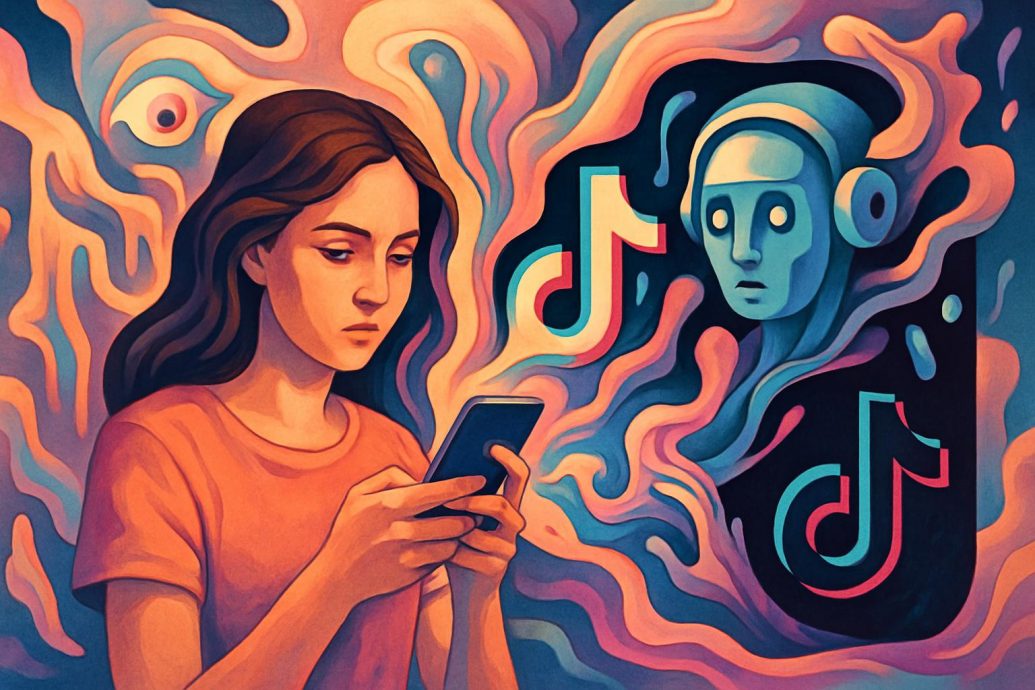
The phenomenon of AI Remix Turns TikToks Surreal reflects a rapidly evolving digital space where artificial intelligence repurposes viral content into layered, eccentric reimaginings. What started as quirky “anti-ice” TikTok rants, often humorous takes on why people irrationally hate ice or pseudoscientific claims about water temperatures, has shifted through generative AI into strange and often mesmerizing media. These remixes utilize tools like voice cloning, image generation, and elaborate fan fiction. The result pulls viewers into an uncanny world of AI satire and surrealist meme culture. As creators and audiences respond to this shift, the trend offers insight into the future of online creativity, digital authorship, and a culture shaped by machines.
Key Takeaways
- AI remix tools are transforming humorous TikToks, particularly anti-ice content, into surreal, meme-like reinterpretations.
- Remixes use voice-cloned narrators, image generation, and fan fiction that parody or exaggerate the original videos.
- This reflects growing trends in digital art where content becomes more surreal with each iteration through AI.
- While creators are typically amused, ethical questions arise concerning authorship, attribution, and digital creativity.
Inside the “Anti-Ice” TikTok Trend
“Anti-ice” TikToks began as offbeat commentary. Some creators shared passionate thoughts about how ice behaves oddly. For example, they referenced the Mpemba effect, where hot water freezes faster than cold. Others leaned into humorous conspiracies or silly complaints about ice cubes being too loud or strangely shaped. These videos, meant to be satirical or quirky, gained wide attention due to their absurd tone and surprising virality. Their energy ranged from exaggerated irritation to mock intellectualism.
One strong example is TikToker @westbobo, whose anti-ice rant went viral. He asks, “You ever ask yourself why ice is quiet in public, but loud at home?” The delivery combines comedic suspense and parody. The clip drew millions of views and evolved into a meme. Users remixed the audio, imitated the character, or applied the concept in new comedic directions. The video started as satire and transformed into something far stranger through repetition and AI remixing.
The AI Remix Pipeline
As TikToks like Westbobo’s gained traction, they entered what is now a full-fledged pipeline of AI transformation. Accessible tools like ElevenLabs for cloned voices, Runway for video generation, and Midjourney or DALL·E for images have made remixing simple for the average user. The process involves transcribing an original video, then turning it into a new media format using AI tools.
- Animations of the characters, placed in bizarre settings like other dimensions or fantasy worlds
- Fan fiction written by AI, turning satirical rants into hero’s journey myths or magical conflicts
- Shakespearean or sci-fi versions of the narration using voice synthesis and reworded scripts
- Faux-scientific visuals such as infographics or papers mocking the “facts” from the videos
This type of remixing existed before, often in niche internet circles. Today, tools increase output speed and reach. It has become a key example of how generative AI is reshaping artistic reinterpretation with both humor and commentary. What once ended with a single meme now spirals into countless surreal revisions.
Surreal Meme Culture and Content Loops
These remixes have contributed to a new form of meme culture rooted in recursion and absurdity. Digital art researcher Ben Aldridge describes it as “content folding back on itself.” With AI, these new versions do not just replay the original, they shift tone, critique format, and exaggerate ideas for comedic or artistic effect. At times, remixers draw from previous remixes rather than the original content.
One notable example is a remix series called “AI Anti-Ice Galaxy” that reimagines the ice debate as an interdimensional scientific war. A different version reuses Westbobo’s audio but overlays it on fantasy footage of ice cube monarchies planning world domination. These forms represent a deeper shift in internet culture, where the act of remaking becomes the art itself. The humor comes from disorientation and contrast more than punchlines.
This recursive surrealism underlines how AI is merging with media culture to deliver unexpected artistic hybrids. In this cycle, content often evolves far beyond its origin and becomes unrecognizable in form but still tied to an initial moment of virality.
AI-Generated Fan Fiction’s Role
In this creative loop, fan fiction carries a key role. AI-generated narratives using tools like ChatGPT and NovelAI take the short and humorous TikTok format and expand it wildly. The results may be long-form prose that reframe a 45-second ice rant as a dramatic epic. These stories usually lack structure or logic, but that is partly what makes them entertaining. The absurdity enhances the appeal, drawing from internet lore rather than literary convention.
Media theorist Dr. Ella Marzano ties this trend to “fic-cycling.” It is a pattern where an original post becomes the base for multiple fictional reinterpretations. AI speeds this cycle up, offering narratives that are disconnected in genre and tone but still somehow tethered to the cultural source. This blending of remix and storytelling shows how AI voice tools and narrative generators are influencing new formats of fan participation.
From Slender Man to AI Seinfeld
This form of remix culture has historical roots. The Slender Man myth, for instance, started from a single image and transformed into an expansive fictional universe created by fans. A similar dynamic exists in newer AI experiments like Nothing, Forever, an AI-powered parody of Seinfeld that ran 24/7 with generative dialogue and animation. The humor came from its disjointed yet familiar format, producing both comedy and unease.
Through similar logic, AI TikTok remixes build on ironic fandom and digital creativity. They now do so at a speed never seen before. A single viral video might inspire dozens or hundreds of derivative formats in just a few days. These derivative works are more than copies. They are echoes reshaped by tools and guided by unpredictable user engagement. In this setting, content becomes both subject and source in a sprawling remix ecology fueled by AI.
Creators React and Ethics Arise
Many original creators respond positively. Some feel honored by the memes and surreal parodies. Westbobo, for instance, said the boss-level remix of his voiceover was “better than the original.” Still, some concerns loom. There are questions about voice use and identity. Some creators fear their content may be reused or monetized without proper credit or consent.
AI ethicist Dr. Nina Lloyd describes this problem as “attribution decay.” She argues that the deeper a remix remains in content loops, the harder it becomes to trace it back to the original creator. As AI transformation becomes quicker and more layered, attribution and compensation could be eroded. Lloyd suggests better tagging and licensing systems could address this, such as opt-in protocols for voice usage. These changes may become vital as remix culture and AI tools continue to merge.
FAQs
How is AI being used to reinterpret TikTok videos?
AI reinterprets TikToks by converting video transcripts into entirely new media forms. This includes voice-cloned narration, video remixes, surreal animations, and rewritten story formats. Generative tools automate these transformations, making it possible for anyone to remix viral clips at scale.
What is the anti-ice trend on TikTok?
Anti-ice TikToks are comedic rants or mock-conspiracies that criticize or speculate humorously about ice. Common topics include strange behaviors attributed to ice, comical scientific ideas, or personal frustrations. Their absurd tone often makes them perfect for virality and remixing.
What is AI-generated fan fiction?
AI-generated fan fiction is narrative content created by platforms like ChatGPT or NovelAI. These stories draw inspiration from short videos or memes and expand them into full-length fictional works. The writing may include references to internet tropes, surreal plots, or alternate storylines.
Why are AI TikTok remixes becoming popular?
The rise of user-friendly AI tools has made remixing fast and accessible. TikToks that go viral are quickly transformed into exaggerated, surreal, or satirical versions.