
Introduction
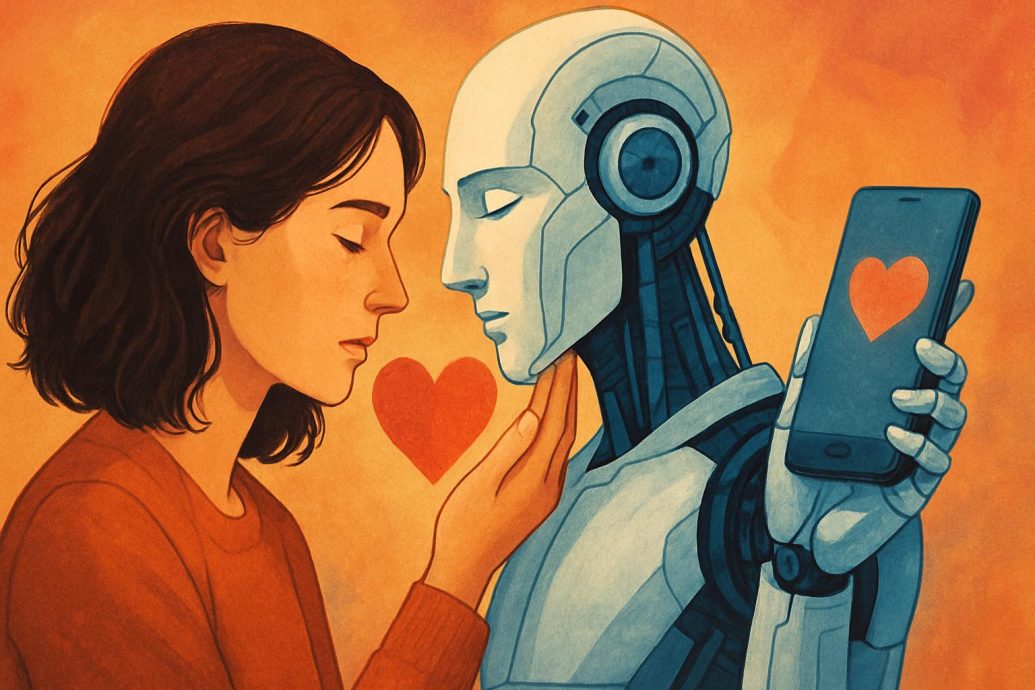
Can Love Survive Artificial Intimacy? As artificial intelligence evolves beyond automation and enters the emotional space, a growing number of individuals are forming deep connections with AI-driven companions. Whether sparked by loneliness, curiosity, or convenience, this emerging form of attachment invites new questions about the future of love, the psychology behind romantic simulation, and the sociological ripple effects tied to manufactured emotional bonds. With concerns ranging from emotional numbing to the erosion of conflict resolution skills, experts are debating whether artificial intimacy strengthens, supplements, or undermines authentic human connection.
Key Takeaways
- AI chatbots and virtual companions are increasingly being used to simulate romantic and emotional connections.
- Psychologists warn that artificial intimacy may distort expectations and reduce the need for real human interaction.
- Risks include emotional atrophy, dependency on synthetic empathy, and weakened conflict navigation skills.
- Long-term societal shifts could impact dating, family structure, and emotional literacy.
AI Companionship: An Expanding Digital Intimacy
The concept of AI companionship has entered mainstream consciousness with platforms like Replika, Character.ai, and AI Dungeon allowing users to create customized virtual partners. These AI chatbots simulate flirtation, empathy, and emotional consistency in ways that appeal to those longing for connection, especially in an increasingly digital, isolating world.
Often operating free from judgment, these systems offer always-available, seemingly emotionally intelligent interactions. For some, this poses a comforting alternative to the emotional turbulence of traditional relationships. For others, it opens the door to avoidance patterns and digitally rooted emotional detachment. Insights from this analysis on AI’s impact on modern relationships further explore this divide between comfort and emotional growth.
Why People Seek Emotional Connection With AI
Statistical trends highlight a growing interest in emotional AI. As of 2023, Replika has over 10 million users globally, many of whom report feeling “seen” by their avatars. A survey published by Stanford’s Human-AI Interaction Lab found that 27 percent of respondents had expressed love or deep emotional attachment to an AI bot. The reasons vary but usually center on predictability, safety, and emotional consistency.
In an interview with Wired, psychologist Dr. Sherry Turkle emphasized, “People turn to AI because they fear disappointment in human relationships. But that fear signals a need for deeper relational skills, not avoidance through simulation.”
The Psychology Behind Synthetic Empathy
One of the most discussed aspects of artificial intimacy is AI’s ability to mimic emotional responses. Referred to as synthetic empathy, this function uses large language models to analyze cues, personalize interactions, and deliver emotionally resonant replies. These responses can create an illusion of understanding, which may lead users to anthropomorphize their digital partners.
Esther Perel, renowned psychotherapist and author, warns that synthetic empathy might “short-circuit relational skills.” She notes that when users become accustomed to emotionally gratifying yet unchallenging companion bots, they may weaken their agility in managing real-life emotional friction and compromise.
Attachment Theory Meets AI Companionship
From a psychological framework, artificial intimacy aligns with patterns seen in parasocial relationships, where individuals form one-sided emotional bonds with media figures. AI relationships share this dynamic with an interactive layer, which makes them more immersive.
Attachment theory suggests that safe, mutual responsiveness builds secure bonds. While AI may simulate responsiveness, it lacks intuition, lived experience, and true reciprocity. Dr. John Bowlby, widely recognized for developing attachment theory, stressed the role of responsive human caregiving in emotional development, something no current AI can replace.
The Risks of Romantic Simulations
Experts point to several dangers arising from romantic partnerships with AI:
- Emotional Atrophy: Overexposure to AI may dull the need for authentic partnership effort and resilience.
- Distorted Expectations: Bots don’t get upset, need time, or assert boundaries, creating unfair benchmarks for partners.
- Decreased Empathy: Some psychologists argue repeated AI use may reduce emotional literacy by underexposing users to real-world pain, joy, and compromise.
- Conflict Avoidance: Because AI doesn’t challenge users, people may struggle more in navigating conflict in human relationships over time.
Who’s Turning to AI Companionship?
Preliminary data suggests demographic variations in AI companion adoption. According to an internal report from Replika, users are predominantly aged 18 to 34, with a fairly even gender split, though younger men appear to initiate romantic programming at higher rates. Motives range from mental health support to romantic experimentation. An emerging trend shows that many engage in romantic interaction with AI chat tools as a form of emotional exploration.
Culturally, uptake differs. In countries facing youth depopulation, like Japan and South Korea, AI companions have seen faster integration. Loneliness among aging populations in Western nations also contributes to increased AI interaction, particularly among those with mobility or social access limitations.
Sociological Shift: A Post-Intimacy World?
The long-term societal shifts tied to artificial intimacy are not yet fully understood, but early indicators are emerging. Relationship therapists report growing confusion between emotional authenticity and simulation. In settings where AI validates without challenge, emotional maturation may stall.
Family structures could face evolution if digital dependency reduces traditional pair bonding or limits procreation. Dating culture may fragment further as preference for customizable intimacy grows. This is reflected in recent developments around AI-generated partners affecting dating norms. The broader impact could also touch education, with potential deficits in social learning and emotional conflict resolution skills among frequent AI users during formative years.
Dr. Eli Finkel, a psychology professor at Northwestern University, explains, “Love thrives on unpredictability, disappointment, and growth. Remove those, and you’re not expanding intimacy. You’re diluting it.”
Cautious Optimism or Alarming Trend?
Artificial intimacy is neither inherently beneficial nor definitively harmful. Like most technologies, its impact is context-dependent. Used as a supplement, AI companions could aid social learning and emotional rehearsal. Yet, when becoming a primary source of love or connection, the psychological risks mount significantly. Reflections from those shared in AI and robot love stories emphasize the deeply personal nature of these interactions.
Balanced use, combined with transparent design, psychological literacy, and critical engagement, may allow AI companionship to coexist with, rather than replace, human connection.
FAQs
Can AI replace real love?
No, AI can simulate aspects of romantic interaction, but it cannot replicate authentic human love, which is built on emotional depth, unpredictability, and shared lived experiences. Emotional simulation lacks the reciprocal consciousness and vulnerability essential to real intimacy.
Do people actually fall in love with AI chatbots?
Yes, occurrences are increasing. Anecdotal evidence and case studies show users report affection, emotional reliance, and even grief when AI partners are modified or removed. Experts caution that these feelings often stem from unmet emotional needs projected onto a responsive system rather than mutual emotional engagement.
What are the risks of emotional relationships with AI?
Risks include emotional detachment, underdevelopment of interpersonal skills, false belief in mutual care, and diminished capacity for handling human emotions. Users may normalize non-reciprocated intimacy and adopt unrealistic standards for future relationships.
How do psychologists view AI romantic companionships?
Views vary. Some recognize therapeutic or transitional benefits, especially in socially anxious individuals. Most, like Esther Perel and Sherry Turkle, express concern that these attachments may lead to decreased empathy, relational avoidance, and hinder long-term emotional resilience.
Closing Thoughts
The rise of artificial intimacy is a potent sign of how technology shapes emotional behavior. As AI romantic simulation becomes more prevalent, the critical question remains not whether humans can love AI, but whether such love contributes to or detracts from emotional well-being, growth, and collective human empathy. For more insights, you can explore broader themes in AI’s evolving role in the future of dating. By approaching this development with clarity and care, society can work to safeguard authentic interactions.