
Introduction
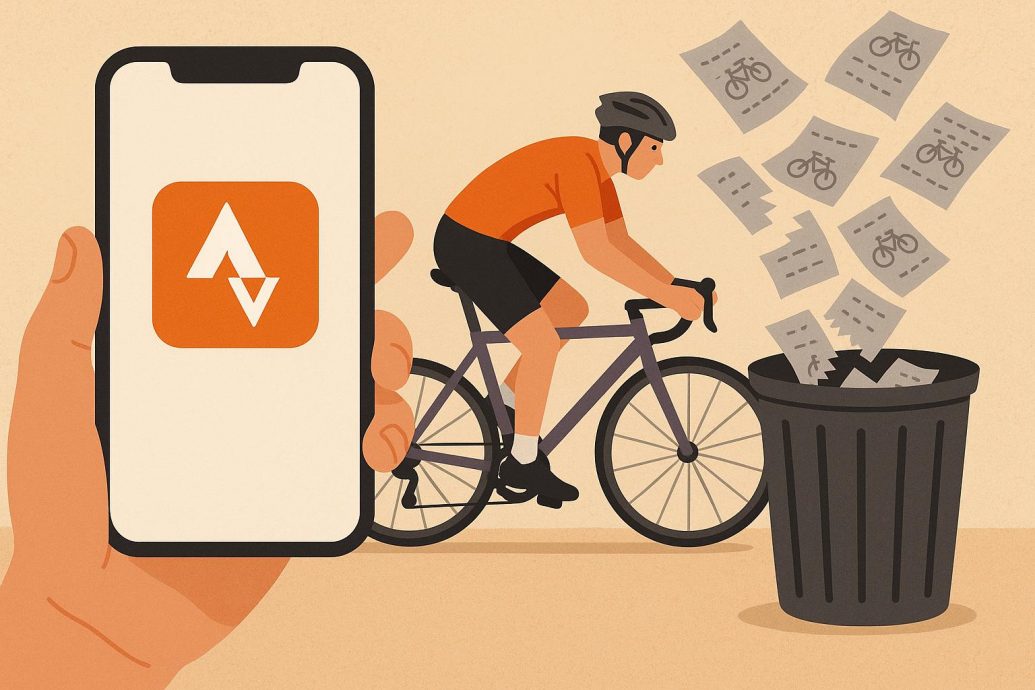
Strava Purges Millions of Fake Rides, marking one of the largest data crackdowns in the platform’s history. In an unprecedented move to defend leaderboard integrity and enhance user trust, Strava has removed over 2.3 million suspicious cycling activities. The decision reflects both technological innovation and a serious stance against unfair play, driven by user complaints and increased scrutiny of segment manipulation. As the digital fitness landscape grows in competitiveness, Strava’s actions signal a bold step forward in combating fraud through algorithmic detection and community feedback mechanisms.
Key Takeaways
- Strava has eliminated 2.3 million fake rides using an advanced GPS and speed-based anomaly detection algorithm.
- This cleanup was triggered by growing reports of leaderboard fraud and user dissatisfaction across forums and clubs.
- The platform’s new system enhances transparency and fairness, aligning Strava ahead of Garmin Connect and TrainingPeaks in leaderboard integrity.
- User reactions are mixed, with long-time athletes applauding the cleanup while others raise concerns about accuracy and transparency of removals.
Strava’s Motive: A Fight for Leaderboard Integrity
Strava’s latest action is rooted in preserving the authenticity of its segment leaderboard system, which has been a core feature since the platform’s inception. As premium users and casual athletes alike rely on Strava to track performance and compare achievements, any tampering or false data undermines the credibility of competition.
The issue of inflated ride stats, often stemming from accidental car data, e-bike cheating, or GPS calibration errors, has long plagued the community. This mass removal demonstrates that Strava is not only listening to user concerns but is also willing to invest in technical solutions to resolve long-standing complaints.
Inside the Algorithm: How Strava Detects Fake Rides
At the heart of this purge is Strava’s new anti-cheating algorithm, designed to detect ride data that deviates significantly from expected athletic performance. Multiple data points come into play, including:
- Speed and velocity patterns: Sudden transitions from cycling speed to vehicle pace trigger detection protocols.
- GPS signal inconsistencies: Abnormal route shapes or teleporting data indicate issues with location tracking integrity.
- Device metadata analysis: When a device type signals motor-powered movement or incorrect activity tagging, the system flags it.
Strava’s engineers confirmed that machine learning models were trained on existing flagged and verified datasets to establish accurate thresholds for interventions. This shift from community-flag reliance to predictive identification reduces dependency on peer monitoring while increasing detection scalability.
What Happens When a Ride Gets Removed?
When Strava deems a ride invalid, it is automatically scrubbed from key performance metrics including leaderboards, segment PRs, and personal records. The ride may still appear in the athlete’s activity history, but without contributing to competitive records.
In this wave, removed rides were not permanently deleted but rather hidden from comparison features like KOM/QOM and heatmaps. Strava clarified that flagged users have access to review these changes, though automatic notifications were not sent in bulk during this cleanup.
For future removals, Strava confirmed it will explore implementing better alert systems for affected users and allow a limited appeal window to challenge invalidation.
Community Sentiment: Applause and Skepticism
The Strava user community responded swiftly across Reddit, Strava forums, and cycling-specific Discord servers. On r/Strava, posts expressing satisfaction gathered hundreds of upvotes. One user wrote:
“It’s about time! Some of these segment records were clearly driven in a car. Glad Strava is finally treating it seriously.”
Others voiced concern about the accuracy of the algorithm. Some cyclists who had lost top segments insisted their GPS was fine and asked for reinstatement. Another user commented:
“I commute through a hilly area on an e-assist gravel bike and got flagged. I was within legal limits. So how does Strava tell e-bikes apart?”
This highlights the growing need for clarity and better policies for borderline cases, especially with evolving technologies like smart bikes and e-assist features. Discussions around these concerns mirror larger debates about fairness in digital systems and reliance on automated detection for rule enforcement.
How Strava’s Approach Compares to Competitors
Strava’s proactive purge sets a benchmark few competitors have matched. Garmin Connect and TrainingPeaks, while offering robust analytics, rely more heavily on manual user monitoring when it comes to data integrity. Here’s a quick comparison:
| Platform | Automated Fake Detection | User Reporting Tools | Leaderboard Corrections |
|---|---|---|---|
| Strava | Yes (GPS & speed anomaly-based) | Flag system + machine learning | Automated corrections + human review |
| Garmin Connect | Limited | Activity logs viewable by user only | Manual adjustment required by user |
| TrainingPeaks | No automated enforcement | Coach or user-driven inputs | No public segment competition |
By introducing algorithmic enforcement at the platform level, Strava pushes digital athletics toward a more governed and transparent environment, especially in community-driven leaderboards like KOMs and QOMs.
Impact on Athletes: Competitive and Casual
For competitive users, this purge restores fairness to segments and personal records that were once overtaken by questionable data. It opens opportunities to legitimately reclaim top placements and motivates data integrity during submission.
For casual users, the impact is less on rankings and more on trust. Knowing the platform takes cheating seriously increases long-term confidence in Strava as a serious training tool instead of a novelty social app.
Coaches and event organizers who rely on Strava’s data for athlete evaluation or qualification may begin to place more weight on leaderboard outcomes, reassured by the platform’s active enforcement.
Strava’s Flagging System: Manual Meets Machine Learning
Before this purge, activity flagging on Strava largely depended on user-reported anomalies. Those familiar with the Flag tool know it allows cyclists to report suspicious rides, request moderation, or explain unexpected speed spikes.
The new update integrates this flagging data into a training model that continuously learns which markers predict fake behavior. Over time, user flags may primarily serve as inputs to a more refined and scalable cheat-detection system. In some ways, this evolution mirrors AI systems used to battle disinformation by combining human feedback with algorithmic processing at scale.
FAQs
How does Strava detect fake rides?
Strava uses a machine learning-based system that analyzes GPS accuracy, average and max speed fluctuations, sudden route detours, and metadata from recording devices. When activity characteristics resemble motor-powered speeds or route patterns inconsistent with human performance, the algorithm flags the ride for suppression.
What happens when Strava removes an activity?
When an activity is removed, it no longer counts toward leaderboard positions, segment KOM/QOMs, or PRs. Athletes can still view the ride in history, but it carries no competitive weight. In some cases, the ride is hidden from the feed but remains in the account’s archive.
Why did Strava delete 2.3 million rides?
Strava removed 2.3 million rides as part of a larger initiative to protect leaderboard fairness and respond to community feedback regarding fraudulent records. Internal audits and user flag data revealed widespread anomalies that compromised segment integrity and performance tracking.
How accurate is Strava’s leaderboard?
Strava’s leaderboard accuracy has significantly improved with the new anti-cheating algorithm. While not perfect, the automated cleaning system is a major step forward. False positives are possible, though rare, and users are encouraged to report errors if legitimate rides are misclassified.
Conclusion: What This Means for the Future of Fitness Tracking
The removal of millions of fake rides is more than a data cleanse. It represents a defining moment for trust in fitness platforms. As athletes become increasingly data-driven and platforms grow central to training plans and community engagement, the integrity of that data becomes critical.