
Introduction
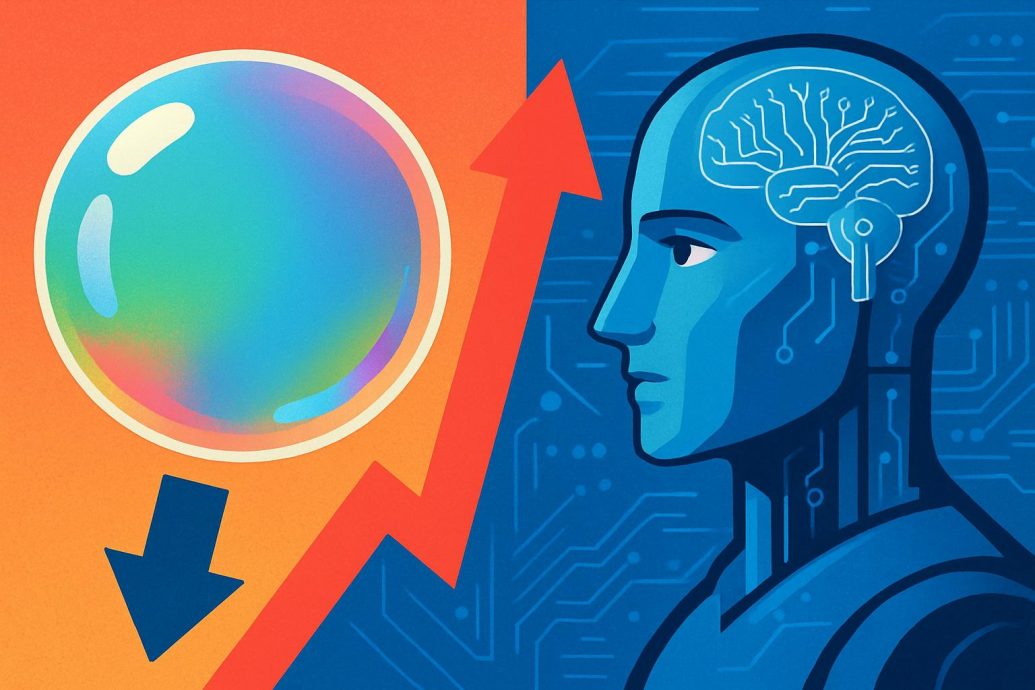
The surge in artificial intelligence investment has sparked widespread debate, and AI Boom: Bubble or Breakthrough Ahead? captures this tension with critical urgency. From skyrocketing valuations to sudden sector layoffs, the AI industry is riding a wave of extreme volatility. Venture capital continues pouring into generative AI startups while ethical dilemmas and market corrections raise fundamental questions about long-term sustainability. Is this transformative shift truly poised to change industries, or are we repeating the patterns of past tech manias? This in-depth analysis cuts through the noise to evaluate whether AI stands as a revolutionary force or a speculative risk, with evidence from real-world results, market behavior, and consumer adoption.
Key Takeaways
- AI funding is reaching historic levels, yet several well-known AI divisions have already downsized or shuttered operations, indicating potential signs of market correction.
- Use-case analysis shows mixed results. While AI coding assistants and recommendation engines offer real productivity gains, consumer-grade chatbots remain prone to unreliability.
- Ethical issues and regulatory uncertainty are slowing deployment even as investor hype grows unchecked.
- While short-term market corrections seem inevitable, AI’s core innovation has long-term applicability across finance, healthcare, and enterprise workflows.
Historic Comparisons: Is This the DotCom Bubble All Over Again?
To understand whether the AI boom mirrors a historical bubble, it’s important to compare funding patterns. Between late 2022 and mid-2024, over $50 billion has flowed into AI startups, many of which are pre-revenue. This pattern resembles the late 1990s, when dot-com companies received heavy investment despite unclear business models. In both cases, VCs prioritized potential market dominance over near-term results.
During the dot-com era, companies like Pets.com collapsed due to unsustainable valuations rooted in brand hype. A similar trend can be seen in recent AI funding rounds, such as Inflection AI’s $1.3 billion raise with limited real-world traction. This pattern echoes earlier tech investment cycles.
Still, there are key differences. Modern AI systems are already embedded in enterprise workflows. Companies like Microsoft and Google actively integrate generative tools into their platforms. Whether this marks a departure from past bubbles depends on sustained utility rather than perception. For more insight into the broader context, explore the comparison between AI hype and real-world performance.
Warning Signs: AI Layoffs and Valuation Gaps
Despite ongoing investor enthusiasm, internal cutbacks suggest underlying instability. Mozilla eliminated its entire Responsible AI team, citing internal reorganization. Similarly, Meta has reallocated resources from experimental AI projects to more immediate goals. These decisions reflect shifting priorities and financial constraints.
Disparities between valuation and functionality continue to grow. OpenAI’s valuation reportedly exceeds $80 billion, although GPT-4 still exhibits issues like hallucination and inaccuracy. These flaws limit its dependability in critical use cases. This valuation-function gap raises serious questions about sustainable returns.
If investor expectations continue to outweigh technical delivery, more structural corrections will likely emerge. Businesses are starting to demand practical output rather than visionary slideshows.
Winners vs. Hype: What’s Working, What Isn’t?
| Tool/Service | Sector | Real Impact | ROI Evidence |
|---|---|---|---|
| GitHub Copilot | Developer Productivity | Increases code automation and reduces debugging time | Reported 55% faster coding per Microsoft survey |
| ChatGPT | General Use | Provides broad knowledge access but suffers from factual inaccuracies | Still needs human review for B2B or legal use cases |
| Medical AI Diagnostics (PathAI) | Healthcare | Improves pathology review accuracy | Pilot studies show 20% error reduction |
| Generative Text-to-Image Tools | Creative Design | Speeds up marketing asset generation | Subscription models rising, but low enterprise penetration |
Specialized verticals with measurable outcomes are becoming the true success stories in AI. GitHub Copilot has accelerated development cycles. Meanwhile, AI tools in healthcare diagnostics show quantifiable improvements in accuracy. On the other hand, public-facing tools like chatbots continue to struggle with consistency. Projects with artistic aims, such as image generators, have grown in popularity but face monetization challenges. These applications reflect trends seen in the AI art boom and its limitations.
Ethical and Regulatory Constraints: Slowing Progress or Creating Trust?
AI-related ethics have moved from theory to boardroom reality. Biased training data, privacy leaks, and obscure decision-making models are actively hindering trust and adoption. The European Union’s recent AI Act mandates greater transparency and model traceability. These requirements are already delaying some high-risk deployments.
At the same time, ethical compliance may foster long-term trust. Companies that prioritize transparent, interpretable AI systems are better prepared for regulatory pressure. This approach, while slower, can help build reputational and operational resilience. For those exploring inclusive development, see how efforts are democratizing artificial intelligence.
Investor Behavior: Hype Cycle or Long-Term Bet?
Investor sentiment is entering a more disciplined phase. A SoftBank executive recently shared that VC interest now focuses heavily on commercial outcomes within an 18-month window. This shift replaces prior strategies based on technical novelty alone.
Pitch decks from late 2023 emphasized large language model integration, yet lacked monetization strategies. Today’s investor requires proven use cases or clear traction data. PitchBook reports a 14 percent dip in AI-focused VC funding from peak levels in Q2 2023 to Q1 2024. There is now a greater flow of funds toward applied AI with enterprise relevance. Broader narratives, such as those in intelligent machine evolution, are shifting toward usability and returns.
The Path Forward: Sustainable Innovation or Inevitable Correction?
AI will reshape global industries, but not every company will endure. Tools that solve real problems, such as fraud detection and medical diagnostics, will see continued investment. On the other hand, splashy but shallow applications may be phased out amid market corrections and rising scrutiny.
Organizations should treat AI as a tool that requires testing, adjustment, and integration. Technologies such as self-learning systems may offer breakthroughs but also pose existential questions. For a critical exploration of these implications, read how self-taught AI raises bold concerns.
The AI sector contains both hype and substance. Separating the two will define which firms thrive and which fade during the next wave of innovation and consolidation.
FAQs
Is the AI boom a bubble?
The AI boom includes speculative elements, especially among overvalued startups without consistent revenue. Still, proven innovations in productivity make this more than a traditional bubble. Some correction is likely, but foundational technology continues to show durable value.
What are signs of an AI market correction?
Key indicators include layoffs, shifting investor expectations, a slowdown in funding, and scrutiny over inflated valuations. Public disinterest in non-essential applications also signals a cooling cycle.
Which companies are leading in generative AI?
Current leaders include OpenAI, Anthropic, Google, Mistral, and Cohere. Enterprise integration efforts by Microsoft and Amazon are also key, as seen in platforms like Azure and AWS.
What caused layoffs in the AI sector?
Layoffs often result from overexpansion, failed monetization models, and a reevaluation of project ROI versus cost. Companies are adapting to more realistic timelines and user engagement rates.
How is AI affecting real-world industries?
In areas like finance, healthcare, and logistics, AI is enabling efficiency, prediction, and automation. Though promising, many industries are cautious and continue to assess risks associated with model failure or ethical concerns.