
Introduction
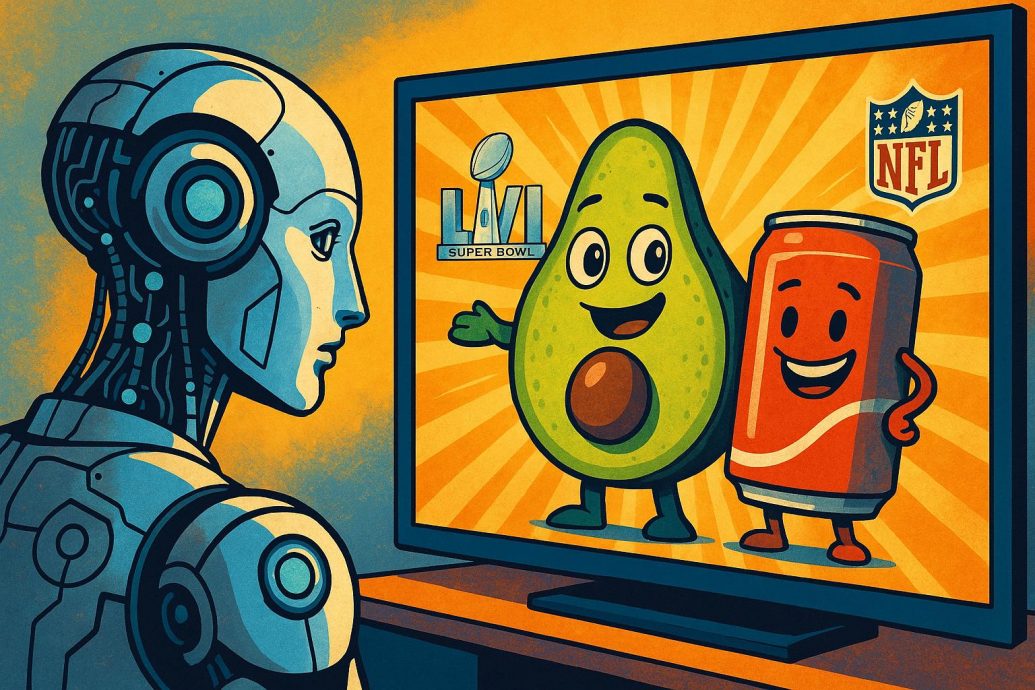
The phrase “AI Dominates 2026 Super Bowl Ads” summed up the advertising event of the year, as generative intelligence took center stage during the world’s most watched broadcast. With an unprecedented number of AI-generated commercials delivered by household names like Google, Dove, and Bud Light, the 2026 Super Bowl highlighted a transformation in how top brands approach storytelling, emotional impact, and media production. While creative possibilities expanded, viewer and industry reactions revealed a nuanced picture filled with praise, skepticism, and hard questions about the future of human-driven creativity.
Key Takeaways
- Top brands used AI for scripting, visuals, and full ad production in high-stakes Super Bowl spots.
- Companies like Microsoft and Meta shaped the creative direction through AI partnerships.
- Mixed public reactions centered on authenticity, emotional appeal, and job displacement concerns.
- The campaign results signal a broader shift toward AI-generated advertising across major events and industries.
AI’s Super Bowl Spotlight: An Industry First
For the first time in Super Bowl history, over 60% of commercials aired during the 2026 game integrated generative AI technologies. While prior years hinted at AI’s potential in marketing, this event proved its market-readiness on an unparalleled scale. From dialogue written by large language models to entire spots animated and voiced by neural networks, the shift from traditional to AI-assisted creation revealed a radical change in strategy among creative teams.
Brands like Dove leaned on AI to bring nuanced social messaging to life, using sentiment analysis to fine-tune emotional beats. Bud Light focused on humor and pacing refinement through automated testing and audience prediction software. Google, in collaboration with OpenAI, used AI not only for visuals but also to dynamically personalize localized versions of the same ad, tailoring cultural references in real time.
Behind the Scenes: Who’s Powering AI Super Bowl Ads in 2026
Major ad agencies worked closely with tech titans, refining AI tools specifically for commercial-grade storytelling. Microsoft and OpenAI, through partnerships with global creative shops, offered bespoke models trained on years of campaign data. Meta’s generative video division collaborated with multiple brands, enabling real-time rendering of high-resolution scenes that responded to viewer demographics.
Production pipelines saw a fundamental rewrite. Pre-production timelines dropped by nearly 40%, according to data from the Association of National Advertisers. This was due to on-demand script generators and AI voice actors. Agencies like WPP and Publicis Groupe reported reduced costs without sacrificing storytelling quality. Top talent was still needed to guide AI for brand-specific nuance and tone.
Viewer Reaction: Fascination Meets Friction
Post-game viewer surveys revealed a split between intrigue and skepticism. According to data from Nielsen and Ipsos, 41% of Super Bowl viewers expressed excitement about the innovation AI brought to the screen. Top-rated spots, including Google’s emotion-driven short on digital accessibility, were AI-crafted yet received high praise for authenticity and narrative depth.
Still, 34% of audiences were concerned about the absence of human touch. Critics noted that a few ads felt “oddly formulaic,” lacking the organic spontaneity of classic Super Bowl moments. Creative professionals echoed these sentiments. Some expressed concerns about homogenized output driven by training data bias. Others warned that overreliance on automation might dilute long-term brand distinctiveness. These perspectives reflect wider concerns seen across the conversation around AI’s influence on the advertising industry.
By the Numbers: AI ROI in Super Bowl 2026
Preliminary ad performance data suggests AI-assisted ads matched or exceeded their traditional counterparts in engagement. Key stats include the following:
- YouTube views: Average AI-generated ad views reached 26.7 million within 72 hours, compared to 22.1 million for non-AI ads.
- Engagement rates: AI ads averaged a 13% increase in comments and shares during the broadcast window.
- ROI estimates: AI-assisted campaigns achieved up to 1.4x return compared to traditional commercials, supported by lower production costs and faster testing cycles.
These results reflect the growing maturity of AI tools and their seamless integration into brand campaign ecosystems.
Contextualizing the Leap: How 2026 Differs from Past Super Bowls
In contrast to the early 2020s’ limited experiments with AI-generated mascots or robotic voiceovers, 2026 represented a complete transformation. In 2025, only seven ads featured AI influence. By 2026, nearly 39 commercials were primarily developed using generative AI, according to Super Bowl Ad Archive.
Unlike the 2010s, which emphasized celebrity-laden spectacles, the new strategy leaned toward intelligent scripting and agile audience targeting. Creative choices prioritized narrative impact and speed. This echoed shifts across media that mirror the broader trend of redefining creative art with generative AI.
Parallel Trends at Other Global Events
This evolution of AI in marketing extended beyond the NFL. At global entertainment events like the 2026 Oscars and FIFA World Cup qualifiers, brands also experimented with generative content. Engagement rates remained positive, though adoption was more gradual.
AI tools also played a strategic role during the 2024 Paris Olympics. Official partners localized narrative themes to dozens of countries using machine learning tools. Those efforts validated that AI can scale storytelling globally. The Super Bowl, with over 110 million viewers and a concentrated audience, became the year’s definitive proving ground.
Expert Insights: Ethical and Cultural Implications
Dr. Elaine Porter, professor of media studies at UCLA, believes AI represents more than just a logistical shift. She explained, “We’re seeing accelerated distancing between art and artist. That raises essential questions about authorship, authenticity, and labor in creative fields.” Her findings show that Gen Z is open to AI-generated work but wants transparency about how the content is made.
AI ethicist Dr. Raj Malhotra warned about what he calls “standardization creep.” Algorithms tend to optimize sameness. While this may benefit scalability, he argues there is a real risk of eroding narrative diversity. Labor organizations have also begun advocating for protections, pressing for defined roles of humans in future creative processes. These issues feed into wider industry dialogue seen in debates about AI’s impact on Hollywood storytelling.
FAQs
How was AI used in 2026 Super Bowl commercials?
AI was implemented across the entire ad workflow. It generated scripts, provided voice acting, handled animation, and enabled real-time localization for diverse audiences. Companies like Meta, Microsoft, and OpenAI supplied the core technological platforms.
Are AI-generated ads effective?
Yes. Metrics from YouTube, TikTok, and Nielsen showed that AI-assisted ads performed on par or better than traditional formats. Audience engagement was strong, particularly for emotionally rich campaigns.
What companies used AI in the Super Bowl?
Leading advertisers included Google, McDonald’s, Toyota, Dove, and Bud Light. Each partnered with major tech firms to create or enhance their 2026 campaigns using AI tools.
How will AI impact the future of advertising?
AI will likely lead to more personalization, faster content production, and cost efficiency. Ethical concerns and creative originality remain challenges. Many expect AI to reshape not only ads but other entertainment formats, like AI-powered music and songwriting.
Final Thoughts: The Future Has Arrived, But It’s Complicated
The 2026 Super Bowl proved that AI is no longer experimental. It has become a critical player in the most prestigious marketing event of the year. While the convenience and returns are clear, the emotional core of storytelling remains under scrutiny. Advertisers must now navigate between efficiency and ethical responsibility. As tools become more advanced, the creative industries face a critical question. Is AI enriching our cultural experiences, or simply optimizing them out of character?