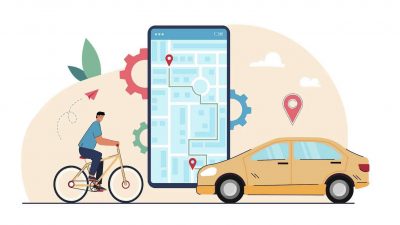
Leveraging IoT to Monitor Traffic
Why it matters: Leveraging IoT to monitor traffic we gain real-time data for smoother, safer transit. Unveil the future of smart transportation
Everything AI, Robotics, and IoT

Sanksshep Mahendra is a technology executive with success in driving, vision, strategy, design, and execution of software engineering for the web, mobile, apps, social, voice, IoT, applications along with Machine learning and AI. His expertise lies in partnering with business leaders, powering through roadblocks, and leading global teams to deliver disruptive products that advance the organization’s mission and capture game-changing results in the market. Sanksshep Mahendra has a lot of experience in M&A and compliance, he holds a Master's degree from Pratt Institute and executive education from Massachusetts Institute of Technology, in AI, Robotics, and Automation.
Why it matters: Leveraging IoT to monitor traffic we gain real-time data for smoother, safer transit. Unveil the future of smart transportation
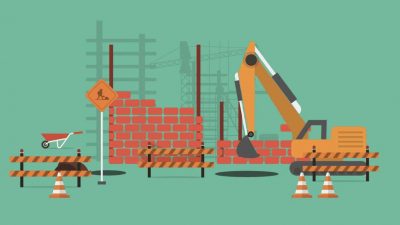
Why it matters: Robots in construction enhance efficiency and safety, addressing labor shortages and sustainable building practices.
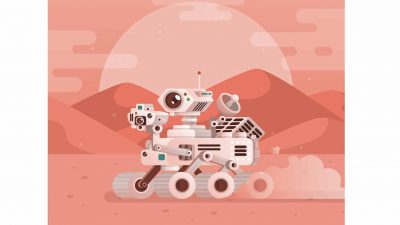
Why it matters: Robots in space are the ultimate explorers, revealing the universe’s mysteries. Their role in our cosmic quest is pivotal.
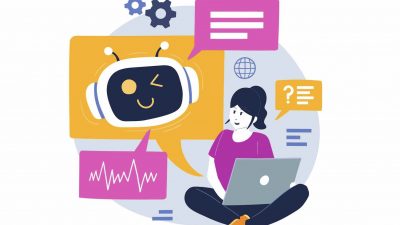
Why it matters: It’s easy undermining trust with AI, it blurs the line between reality and fiction. Leads to rapid social and societal decay.
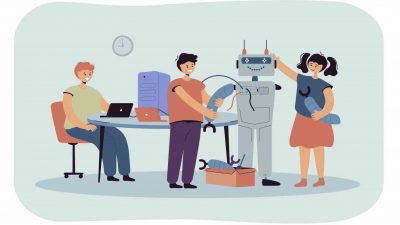
Why it matters: A term that seems like an oxymoron, “Handmade by Robots,” is rapidly defining a new frontier where artisanal craft meets automation.
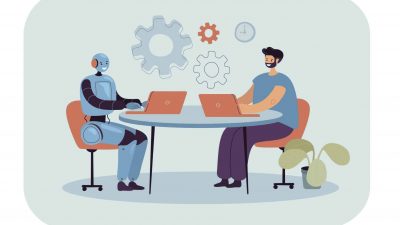
Why it matters: Robots interacting with humans are here. See how cobots, humanoids, service and care robots work safely beside people, plus the 2026 rules that govern them.
Why it matters: War robots are rewriting combat. Inside Ukraine’s 22,000 monthly missions, Anduril’s CCA drones, and the 2026 UN treaty push to leash lethal AI.
Why it matters: Jobs in AI are on the rise in the age of AI, learn how to prepare for this futuristic workforce driven by AI.
Why it matters: Beginner ML explained. Build a child’s first ML program in 30 minutes with Teachable Machine, Scratch, and safe tools parents trust today.
Why it matters: Machine Learning For Kids: Starter Machine Learning Python Program guides load, split, fit, predict, and score with iris, digits, and scikit-learn.