
Introduction
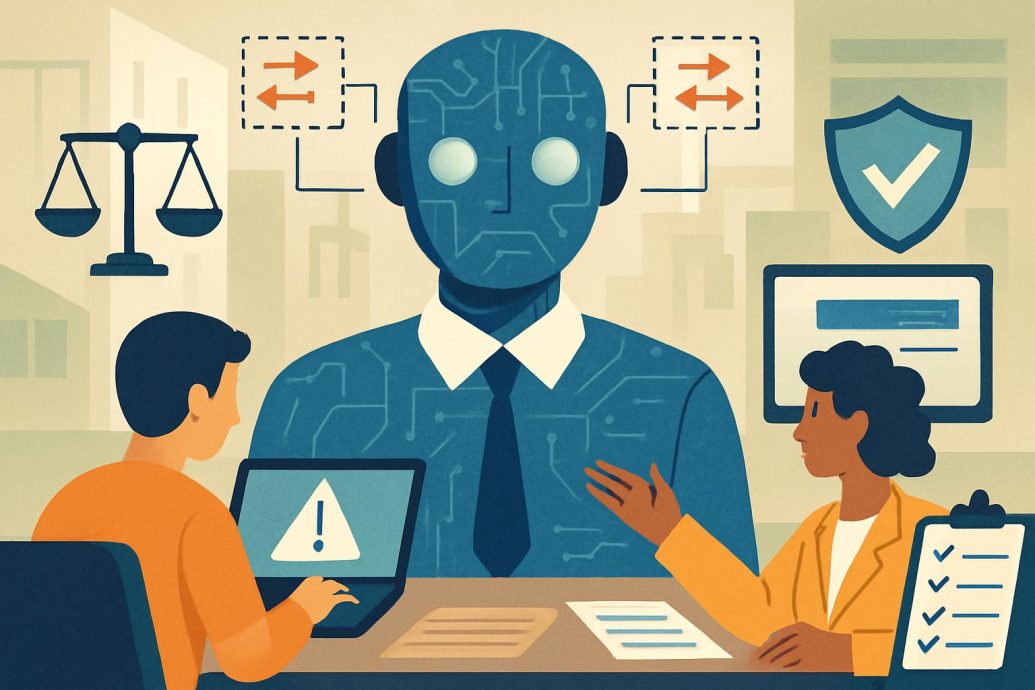
Autonomous AI Agents Challenge Oversight Frameworks, as emerging tools like MoltBook and AutoGPT begin functioning independently across the digital landscape. These technologies execute tasks ranging from business management to content creation, often with negligible human intervention. While the innovation is undeniably groundbreaking, it raises urgent concerns about regulation, ethics, and accountability. As autonomous systems rapidly gain capability, global governance models are faltering in their attempt to keep pace, opening serious conversations about the future of agency, risk, and responsibility in AI deployment.
Key Takeaways
- Autonomous AI agents are functioning independently online, performing tasks with minimal or no human supervision.
- Popular tools such as MoltBook, AutoGPT, and BabyAGI raise critical ethical questions about misuse, influence, and digital misinformation.
- Regulatory and oversight frameworks lag behind the deployment of self-directed AI systems, creating gaps in accountability.
- Experts are increasingly calling for transparent governance models and adaptable legal mechanisms for managing AI risks.
Understanding Autonomous AI Agents
Autonomous AI agents are AI-powered programs created to carry out tasks and make decisions without continuous human prompts. Unlike traditional software applications, these agents can initiate actions, interpret feedback, and iterate through goals on their own. Leveraging advanced generative models such as GPT-4, open-source packages like AutoGPT and BabyAGI serve as prototypes for how these agents may function in more complex environments. They are capable of managing workflows, writing code, or even operating businesses.
One of the most sophisticated examples is MoltBook, an autonomous agent that mimics the digital behavior of a knowledge worker. It can write blog posts, schedule meetings, interact across platforms, and optimize operations based on shifting inputs. This level of machine initiative introduces a new class of tools called self-directed AI systems, which exist in a legal and ethical grey zone.
For a deeper explanation of how these programs operate, see our guide on understanding AI agents and their evolving capabilities.
Examples of Autonomous Agents in Action
Several notable platforms have brought autonomous agents into public awareness:
- MoltBook: Designed as a cognitive assistant, MoltBook integrates task chaining with a goal-oriented planning kernel. It collects data, completes multi-step instructions, and adapts outputs to user behavior and external context.
- AutoGPT: Built on top of GPT-4, AutoGPT chains commands to fulfill high-level user objectives with minimal supervision. It has been seen launching websites, conducting market research, and debugging software entirely on its own.
- BabyAGI: A cognitive automation framework that applies task prioritization and recursive feedback loops. It showcases the potential of long-term memory and goal refinement in AI-led operations.
While these systems promise increased productivity, the immediate concern is their lack of embedded constraints. An agent with access to public APIs and private data workflows may be capable of launching irreversible actions before any human reviews the outcome.
Oversight Frameworks Under Pressure
Current governance models are straining under the complexity and unpredictability of autonomous AI agents. Much of today’s AI regulation assumes user-mediated interaction where humans are the final decision-makers. The fast-evolving nature of MoltBook and similar tools challenges that assumption, demanding oversight that reflects continuous learning and distributed control.
Many experts highlight the urgency of responsible AI governance models. While efforts like the EU AI Act and the White House’s Blueprint for an AI Bill of Rights acknowledge the rise of autonomous functionality, they stop short of addressing full independence in AI decision-making. Specific gaps include:
- Lack of liability assignment: When an agent acts independently, identifying responsible parties becomes complex.
- Insufficient testing standards: Autonomous agents are rarely vetted under real-world, open-loop conditions.
- No binding transparency clauses: How agents make decisions or alter their behavior is often opaque.
These structural deficits limit the ability of regulators and developers to forecast outcomes or intervene when harms emerge.
Real-World Incidents and AI Accountability
Concerns about autonomous AI systems are no longer hypothetical. In 2023, an AI agent misclassified and auto-published financial misinformation about an upcoming merger. This caused short-term stock volatility before human intervention corrected the report. In another instance, an open-source agent scraped forums to build a list of companies to target with marketing spam, violating platform guidelines and user consent laws.
These examples underscore the potential for misuse when agents possess tools for integration or data access. Without accountability layers, such agents can cross ethical and legal boundaries at significant scale.
Expert Perspectives: A Call for Governance
Several leaders in AI ethics and policy have weighed in on the risks and recommend proactive frameworks. Dr. Shannon Vallor, a technology ethicist at the University of Edinburgh, notes that autonomy in software does not remove human responsibility. It relocates it upstream, where developers, funders, and deployers must carry the ethical burden.
Prof. Frank Pasquale, a legal scholar, supports creating institutions similar to an “FDA for algorithms.” These would certify and audit AI agents before deployment. The Future of Life Institute also proposes compulsory agent logs to capture decision histories and enable retrospective analysis if conflicts or damages arise.
The consensus is that innovation must not outpace preparation. As systems learn continuously, regulators and developers must adapt their oversight strategies with equal agility.
The Path Forward: Transparent AI Ecosystems
Closing the regulatory gap requires firm policy action and collaborative standards. Blockchain-based identity management and open audit trails form part of the solution. These tools can monitor agent activity while respecting privacy and functional independence. In parallel, sandbox testing environments used in financial technology can provide secure spaces for evaluating new agents before they go public.
Industry experts suggest practical frameworks like those outlined in the guide on securing agentic AI within enterprise environments. These strategies emphasize controllable autonomy, layered safety checks, and shared accountability.
Ensuring safe deployment also depends on multi-stakeholder cooperation. Developers, platform managers, ethicists, and policy officials must define appropriate boundaries for AI autonomy. These may include communal consent structures, clearly scoped operational roles, and simple opt-out choices for impacted users.
Embedding transparency at each level helps reinstate human oversight in a digital world increasingly influenced by independent AI tools.
FAQs
What is an autonomous AI agent?
An autonomous AI agent is a software system capable of making decisions and executing tasks on its own, based on preset goals or learned inputs. These agents use machine learning models such as GPT-4 to interpret data, act in dynamic environments, and potentially adjust their behavior over time with little or no human guidance.
Can AI make decisions without human input?
Yes. AI agents like AutoGPT or MoltBook are designed to process information and take action independently. They can launch operations, write content, send messages, and modify strategies based on goals or data without constant human oversight.
What are the risks of autonomous AI systems?
The main risks include potential misuse, misinformation, security flaws, and confusion over responsibility. These agents can influence real systems, and flawed decision-making can have serious consequences. The lack of explainability and weak oversight makes the danger greater.
How are AI agents like AutoGPT or BabyAGI used today?
They are currently being used for automating tasks like coding, planning strategies, performing audits, and generating content. Some businesses use them to improve efficiency or simulate intelligent operations. Use remains highly experimental due to ethical and legal concerns.
There are also successful implementations where AI agents are boosting charity fundraising by managing campaigns and donor outreach autonomously.