
Introduction
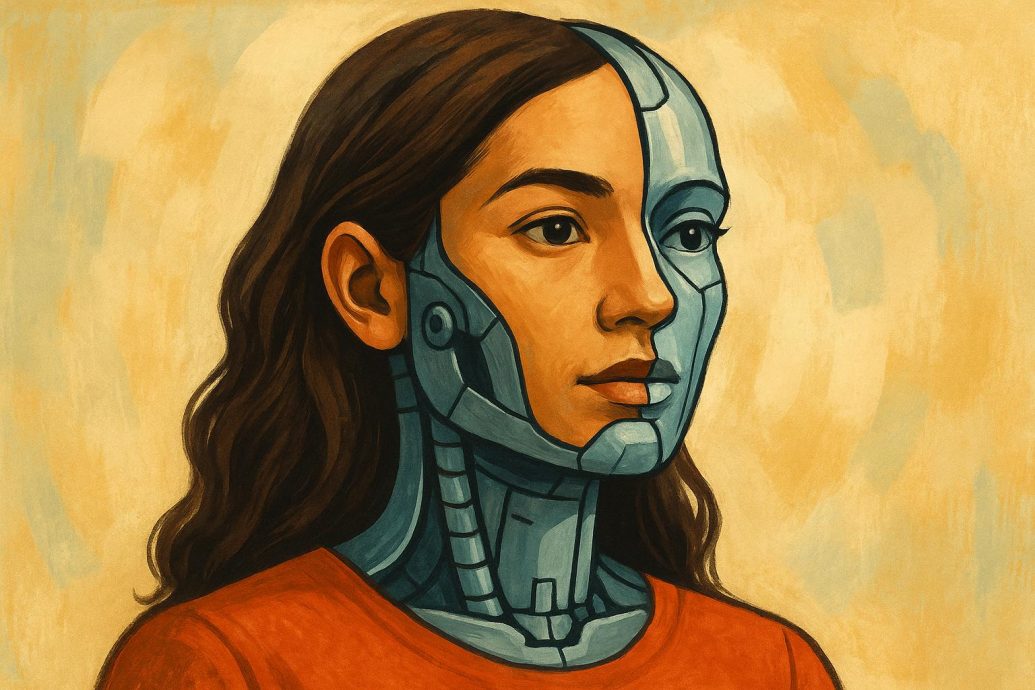
Meet the 20% Robot Woman is more than a catchy phrase. It is an empowering declaration from a British woman who has embraced life with a high-tech bionic arm. Her journey shows how prosthetic technology is advancing from simple replacement to meaningful human enhancement. This is not a story about limitation. It is about reinvention and how the bond between humans and machines is becoming more personal and impactful.
Key Takeaways
- A woman in the UK proudly calls herself “20% robot” because of her bionic prosthetic arm.
- Her story reveals how advanced prosthetics enhance both capability and identity.
- These bionic arms respond to user intent through muscle signal detection.
- Medical and tech experts anticipate even more progress in human-machine integration.
An Empowering New Identity
Previously, the term “robot” might have conjured images from science fiction, but for one woman in Britain, it reflects her everyday experience. Following an accident that cost her an arm, she was fitted with a state-of-the-art bionic limb. This isn’t just for appearance. It enables responsive movement using smart sensors and myoelectric feedback linked to her muscles. Her self-description as “20% robot” is more than creative. It expresses pride and a redefinition of personal identity.
Her videos, widely shared online, display the prosthetic in action. The feedback included admiration for both the technology and her courage. By addressing her transformation openly, she shifts how assistive technologies are seen, presenting them as empowering rather than limiting. This ties into the broader topic of robots interacting with humans, which is becoming more common in both medical and social contexts.
How Bionic Arms Work
Modern bionic limbs function by interpreting muscle-generated electrical signals. These are picked up by sensors in or near the residual limb. The signals are then processed by internal systems to drive mechanical movement in the fingers, hands, or wrists. The result is precise motion that mimics natural human gestures.
Some prosthetics use adaptive algorithms that learn and predict the user’s common motion patterns. Over time, the device becomes easier to operate and more intuitive. Several models allow users to connect through apps, simplifying adjustments and training processes.
A Growing Global Trend in Human Enhancement
Although her story gained viral attention, she represents part of a growing population. Reports from sources like the British Medical Journal and NHS Digital show that over 3,000 people in the UK use advanced prosthetics. This number is on the rise. Global analysts predict the bionic limb market will grow past $2 billion (£1.58 billion) by 2026 due to ongoing advancements in artificial intelligence, materials science, and biomechanics.
Dr. Emily Chen from Imperial College London explains this shift toward intelligent prosthetics that interact closely with users’ nervous systems. She notes that this progress brings greater comfort, control, and sensory possibility—key factors in wider adoption and improved quality of life.
Beyond movement, these limbs often support improved confidence and emotional well-being. By restoring functionality and independence, users often engage more fully in careers, hobbies, and even relationships. Some personal stories also touch on aspects of emotional connection, similar to those discussed in robotic love stories.
Technology Meets Identity
There is also a societal shift at work. Identifying as a “cyborg” blends cultural and technological language. It challenges narrow definitions of ability and opens a new door for presenting individuality. By blending humor with openness in her content, this woman contributes to shifting public views around artificial limbs and their use.
Social media plays a key role in this. With every post, story, or reply, conversations grow around bionic augmentation and how people interact with wearable robotics. This transformation redefines what it means to thrive post-injury, while reflecting broader interests in the future of human-technology relationships. These conversations often intersect with ideas found in topics like AI and the future of relationships.
The Future of Bionic Limbs
Bionic technology in 2024 is accelerating rapidly. Firms such as Open Bionics, Össur, and Mobius Bionics are introducing limbs that are lighter, more adaptive, and in some cases even linked to the nervous system. Experimental models offer sensory experiences by using pressure or temperature sensors to simulate touch, which directly informs the brain.
A survey by GlobalData revealed that 67% of bionic limb users would consider an upgrade if additional features, such as sensory feedback, became available. This suggests that the blend of user demand and technical possibility is fueling this new category of wearable robotics. For many, this aligns with the evolving concept of human-robot harmony and emotional connection.
The woman who describes herself as “20% robot” highlights the symbolic power of innovation. This is not just a medical advancement, but a social one. The more intelligent and personalized these devices become, the more they blend seamlessly into users’ identities and capabilities.
Frequently Asked Questions
What is a bionic arm and how does it work?
A bionic arm is a sophisticated prosthetic device designed to restore function to someone who has lost an upper limb. It uses muscle-generated electric signals from the remaining arm tissue to control motors that move the fingers, hand, and wrist in intentional ways.
Are bionic arms controlled by the brain?
Most operate through muscle signals rather than direct brain signals. Although researchers are working on brain-machine interfaces, those systems are still being tested and are not yet in widespread use.
Can a person live normally with a bionic limb?
Yes. Many users regain substantial independence and can perform daily activities such as lifting items, preparing food, typing on keyboards, and driving. Success depends on the level of customization and how well the user adapts to the device through training.
How advanced are prosthetics in 2024?
Current prosthetics use lightweight materials, embedded AI for adaptive movement, app syncing, and in some models, partial sensory feedback. While not exactly the same as natural limbs, they offer high performance and evolving features for users seeking mobility and freedom.
Conclusion
The story of the “20% robot” woman is far more than an internet trend. It shows how today’s robotics not only restore but also reinvent how people move, feel, and identify. Her experience reveals the deeper connection forming between humans and machines. This evolution turns assistive tools into personal symbols of strength and resilience. As the technology improves, stories like hers highlight the possibility for transformation, not just recovery.