
Introduction
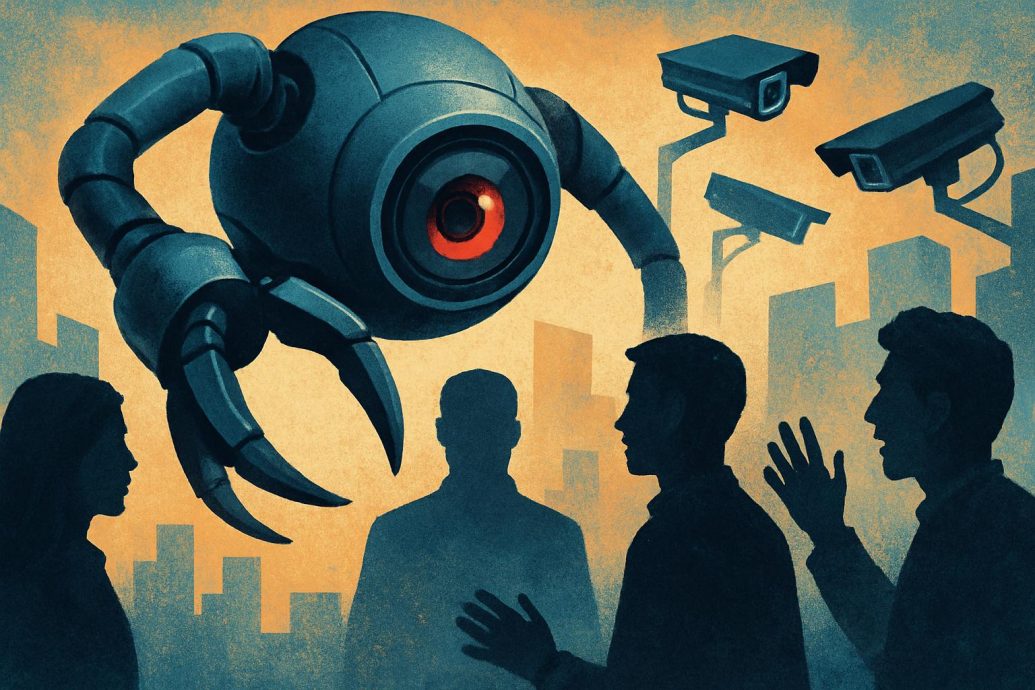
ClawBot AI Ignites Surveillance Debate as the latest flashpoint in the intersection of artificial intelligence and retail privacy. Developed by tech firm Ice, ClawBot is designed to detect suspicious behavior and reduce theft in retail stores. After a mention on the widely followed Hard Fork podcast, it became a viral talking point, drawing scrutiny from privacy advocates, AI ethicists, tech policy experts, and consumers. While ClawBot offers a smarter approach to theft prevention, its core functionality raises significant concerns about bias, intrusive surveillance, and civil liberties. As more retailers turn to AI enforcement tools, ClawBot represents a larger conversation about the risks and consequences of automated surveillance in public environments.
Key Takeaways
- ClawBot uses AI surveillance in retail stores to detect suspicious behavior through automated analysis.
- The system has sparked controversy due to concerns over privacy, algorithmic bias, and limited oversight.
- Experts warn of potential misuse, drawing comparisons to backlash against facial recognition technologies.
- The situation has emphasized the need for ethical and legal frameworks to govern AI use in commercial spaces.
Understanding ClawBot’s Surveillance Technology
ClawBot is driven by AI models that track and analyze real-time customer behavior. Built on computer vision and deep learning, the system is capable of identifying micro-actions such as hesitation, frequent item handling, or erratic movement. These actions are flagged as potentially suspicious.
Unlike traditional CCTV systems that depend on human monitoring or post-incident analysis, ClawBot operates fully autonomously. It integrates with existing retail camera systems and relies strictly on behavioral patterns, not facial recognition. According to Ice, this helps protect customer identities. Despite this, critics argue that behavior-based monitoring can also reflect biased training data and lead to unfair targeting. Concerns echo those raised in broader discussions about AI and its influence on modern law enforcement.
The Viral Moment and Public Backlash
ClawBot gained attention after it featured in a Hard Fork podcast episode. Short clips from the show spread rapidly on X and LinkedIn, touching off debates around surveillance ethics in stores. Many users voiced discomfort with the idea of being constantly tracked while shopping.
This public reaction is familiar to privacy experts, who compare it to the rollout of facial recognition software in transportation and criminal justice. These technologies have historically resulted in higher error rates for marginalized groups. Critics are now asking difficult questions about who gets flagged by systems like ClawBot, how effective these alerts are, and what transparency measures exist to prevent abuse.
Retail Adoption Amid Theft and Loss Prevention Efforts
Retail theft remains a growing problem. The National Retail Federation estimated $94 billion in losses in 2022 alone. Companies are responding with aggressive loss prevention strategies, including AI surveillance. ClawBot fits into this trend by offering an alternative to hiring more physical security staff or relying solely on deterrent measures.
Early ClawBot trials appear to be concentrated in high-theft areas and smaller location formats. Some retailers see it as an upgrade to passive systems used by chain stores like Walmart or Amazon. These companies already use visual AI analytics and contactless tracking. While these technologies promise efficiency, they also raise similar ethical concerns about surveillance automation and data consent. Such developments are part of a broader shift where AI and data are transforming surveillance practices in both public and commercial venues.
Bias in Surveillance Systems and Algorithmic Fairness
Bias in AI surveillance tools remains a serious issue. ClawBot reignites conversations about how training data can replicate and entrench disparities. AI ethicists and groups like the ACLU argue that datasets built from biased sources—such as historical crime statistics—can lead to over-policing of certain customers based solely on behavior.
This type of surveillance is not neutral. Movements, posture, and urgency can be interpreted across diverse cultural or socio-economic lenses. Without auditing mechanisms or transparent standards, predictive surveillance becomes a form of unchecked digital profiling. The lack of regulations requiring independent verification leaves these systems open to abuse. Important conversations about algorithmic justice and accountability continue across numerous sectors, including the growing discussion around AI ethics and emerging legal frameworks.
Privacy Concerns and Data Usage
Alongside fairness, data privacy is one of the top issues raised by ClawBot’s critics. The system may avoid facial recognition, but it still collects behavioral data. How this information is stored, whether it is anonymized, and who controls access remain unclear to the public.
Trust in such technology is low. A Pew Research Center study shows most Americans feel they have lost control over their personal data. In retail environments, customers often do not receive clear notices that AI systems are active. Unlike online policies that include cookie disclosures, physical stores rarely present opt-in options or usage terms. Some believe this oversight creates a privacy gap that depends too heavily on implied consent and minimal accountability.
Expert Opinions: Civil Rights, Tech Policy, and Retail Innovation
Shanelle Brown, a policy director with a nonprofit focused on digital rights, warned that AI surveillance can create a culture of suspicion. As customers become aware of constant monitoring, they may change behavior or avoid stores altogether. This undermines positive customer experiences and can discourage certain communities from shopping in monitored spaces.
Legal and academic experts believe enforcement should not outpace regulation. Ryan Calo, a professor at the University of Washington, emphasized the urgency of catching up. He advocates for proactive frameworks that demand fairness audits, consumer access to dispute systems, and greater transparency around decision-making algorithms.
Retail technologists acknowledge these warnings while still emphasizing potential benefits. When built and implemented responsibly, AI may streamline operations and create safer environments. Balancing innovation with oversight remains a key challenge moving forward.
Looking Ahead: Regulation and the Future of Ethical Retail AI
ClawBot has encouraged several states to review pending privacy and AI use legislation. California and New York are considering bills that would force retailers to disclose surveillance practices and define limits on data collection and storage. Consumer advocates are calling for guidelines that address both privacy and the risk of overreach.
Federal regulations are still taking shape. For now, firms must comply with state laws such as Illinois’ Biometric Information Privacy Act when applicable. Yet gaps remain, especially for cases that do not clearly fall under biometric definitions. Surveillance systems blur these lines, making existing laws harder to apply. Critics warn that failure to act may open doors to more secretive and potentially harmful AI systems, similar to issues discussed around international AI surveillance networks.
FAQs
How does ClawBot AI work in retail surveillance?
ClawBot uses behavioral analysis powered by AI and computer vision to detect shoplifting risks by monitoring customer movement. It integrates with store cameras and flags certain actions for review by staff. According to its creators, it does not utilize facial recognition.
What are the privacy risks of AI surveillance in stores?
AI systems like ClawBot collect behavioral data, which could contribute to profiling or unauthorized tracking. Customers often are not informed or given the ability to opt out, and the data may be stored or shared indefinitely without consumer knowledge.
Is AI being used to prevent shoplifting?
Yes, AI is now widely adopted for loss prevention. ClawBot joins other tools used by major retailers. While these technologies may help reduce theft, they raise complex questions around ethics, privacy, and transparency.
Are AI retail systems like ClawBot legal or regulated?
ClawBot operates in a loosely regulated legal environment. Some states have restrictions concerning biometric data, but no national law focuses specifically on AI in physical retail settings. This lack of oversight contributes to legal uncertainty and growing public anxiety.
Conclusion: A Turning Point for AI in Retail Surveillance
ClawBot represents a defining moment in the integration of AI within consumer environments. The tool may provide benefits for loss prevention and operational efficiency. At the same time, it highlights urgent questions about fairness, privacy, and transparency. How society regulates and responds to tools like ClawBot will influence the direction of AI in physical commerce. This moment may shape whether retail technology empowers trust or reinforces social division.