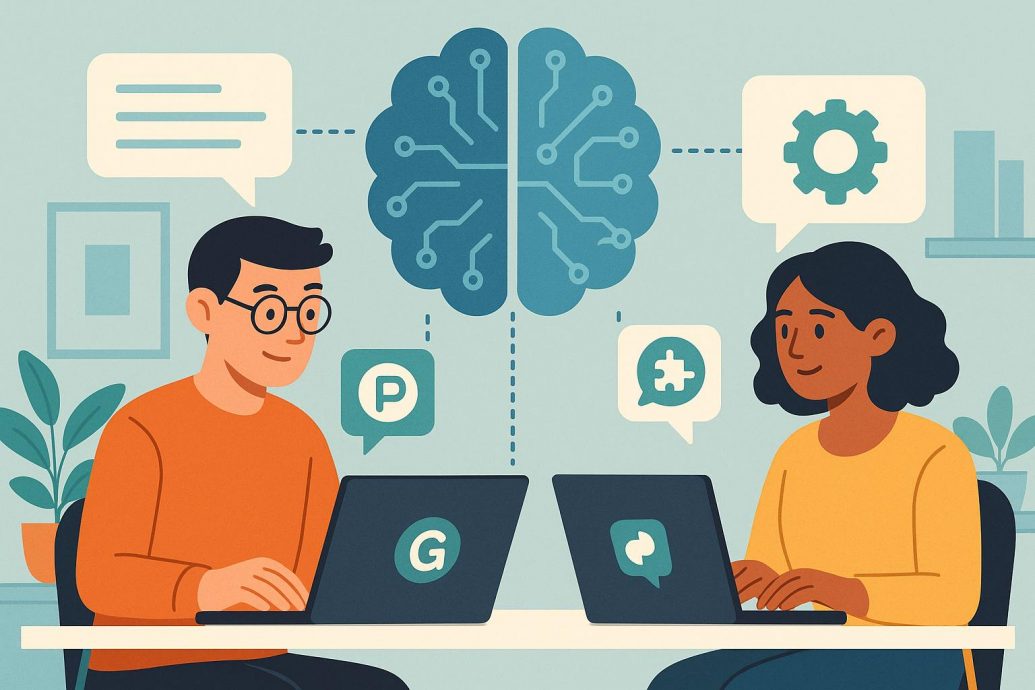

Introduction
“Cowork Gets Smarter with AI Plugins” is more than a product update. It reflects the growing shift in workplace automation from passive assistance to intelligent autonomy. Anthropic’s integration of agentic plugins into the Cowork platform introduces AI assistants that can independently manage tasks such as scheduling, communication, and file retrieval. This development strengthens Anthropic’s position in the competitive field of AI-powered productivity, placing it alongside Microsoft Copilot, OpenAI’s GPT agents, and Google Gemini. Organizations looking to enhance collaboration and reduce repetitive workload will find these plugins a valuable step forward in enterprise efficiency.
Key Takeaways
- Anthropic Cowork AI plugins empower agents to operate across applications like Slack and Asana on behalf of users.
- These agentic capabilities support autonomous execution of tasks without constant user input.
- Anthropic is now a core competitor with Microsoft Copilot and Google Gemini in the AI workspace solutions arena.
- Practical applications include managing schedules, emails, reports, and overall workflows using minimal guidance.
What Are Agentic Plugins?
Agentic plugins are tools that extend an AI assistant’s capabilities, allowing it to function as an independent agent. Traditional AI models respond only when prompted. In contrast, agentic plugins enable the AI to understand intentions, plan steps, and complete complex operations on its own. For instance, instead of suggesting a meeting, the assistant can scan availability, send invites, and notify stakeholders without requiring step-by-step approval.
Within the Cowork platform, Anthropic integrates these plugins directly with Claude AI, connecting it to third-party systems. The assistant can use APIs from platforms like Slack and Asana to perform live tasks, shift priorities, and issue follow-up actions based on real-time changes.
How Anthropic Cowork AI Plugins Work
The Cowork platform embeds Claude AI into routine tools, turning common work tasks into intelligent flows. The core system understands user objectives, chooses the right plugin, and executes actions securely. Each plugin works through a structured API that Claude accesses after interpreting prompts.
Examples include:
- Slack: Drafting updates, sending reminders, managing unread messages, and summarizing conversations from team channels.
- Asana: Reviewing workload timelines, adjusting project deadlines, or assigning tasks based on historical contributors.
- Calendar applications: Coordinating meeting times across teams, detecting overlaps, and notifying attendees without user intervention for every update.
This functionality happens in real time, enabling Cowork to manage complicated workflows that usually require careful attention.
Comparison: Anthropic vs Competitors
The plugin system in Cowork elevates Anthropic to a leading role in AI-driven productivity tools. The table below shows how Anthropic compares with other systems:
| Feature | Anthropic Cowork | Microsoft Copilot | OpenAI Agents | Google Gemini |
|---|---|---|---|---|
| Plugin Support | Structured agentic APIs | Office 365 Native Integration | Extensive via GPTs | Custom actions in Workspace |
| Autonomous Task Execution | Yes | Limited to user-initiated commands | Yes | Partially |
| Integration Examples | Slack, Asana, Calendar | Excel, Word, Teams | Zapier, Trello, others | Docs, Gmail, Meet |
| User Access | Enterprise-focused | Licensed Office users | Available in GPT Store | Workspace customers |
While OpenAI still leads in volume and diversity of plugins, Cowork is optimized for enterprise tasks. Microsoft remains strong in environments that rely on Office products. Cowork, on the other hand, is ideal for agile teams in need of tools that operate proactively with minimal handholding.
Real-World Use Cases
Anthropic’s Cowork plugins are addressing real challenges across industries. Here are a few use cases:
- Project Coordination: A product manager requests Cowork to align a release schedule across multiple departments. The assistant retrieves tasks from Asana, balances timelines, and arranges standups by updating everyone’s calendars.
- Executive Reporting: Sales executives use Cowork to compile quarterly summaries. It pulls CRM data, formats insights, and shares reports through Slack for review.
- Inbox Management: When asked to follow up on unanswered leads, the assistant accesses email threads, drafts response templates, and queues them for review or sending.
- Company-Wide Updates: HR deploys a new policy and directs Cowork to distribute and track read receipts. It follows up a week later with reminders to those who have not acknowledged receipt.
Each of these scenarios shows how intelligent agents can reduce friction, improve team alignment, and create workflow clarity. For more real-world inspiration, see these examples of AI-human collaboration shaping modern work dynamics.
Adoption and Enterprise Impact
The movement toward AI task automation continues to gain steam. A recent McKinsey report from April 2024 found that 64 percent of organizations are already using at least one AI assistant for tasks such as document handling, meeting scheduling, or inbox management. Gartner forecasts an even larger shift, predicting that over 70 percent of enterprise teams will have daily interaction with AI tools by 2026.
The Cowork platform provides a scalable system for this growing demand. With Claude AI managing context and decision-making, and plugins handling specific actions, businesses can fine-tune access control, monitor performance, and shape usage according to policy. Developers find it easy to extend the system with custom APIs, while operations teams benefit from real-time responsiveness.
“AI agents are beginning to carry real weight in our production environments,” says Jenna Patel, VP of Engineering at TrinixCorp. “Cowork’s plugin system lets us proactively reduce noise, cut down meeting overhead, and enrich how teams interact with information.”
Companies implementing Cowork often see a reduction of routine task time by 25 to 40 percent. Especially in hybrid or distributed teams, Cowork improves transparency and ensures no follow-up is missed. For those interested in how AI is changing digital workflows, this analysis on AI’s impact on modern workspaces provides deeper insight.
FAQs About Anthropic Cowork AI Plugins
What are agentic plugins in AI?
They are plugins that let an AI assistant complete goals independently. Instead of waiting for every instruction, agentic plugins understand tasks based on context and carry them out through linked APIs in real-time.
How do Anthropic’s plugins compare to Copilot or Gemini?
Cowork offers more autonomous compatibility with tools like Slack and Asana, whereas Copilot is tied more directly to Microsoft Office, and Gemini focuses on Workspace apps. Cowork fills a niche for organizations needing broader collaboration integrations.
What productivity tools integrate with Cowork AI?
Current integrations include Slack, Asana, Office 365, and calendar applications. Planned support for platforms like Jira, Salesforce, and Notion is underway. A deeper dive into platforms using similar tools can be found in this rundown of top AI tools for workplace efficiency.
Can AI agents replace workflow automation tools?
Yes, they can replace or enhance traditional automation. Unlike fixed rule systems such as Zapier, AI agents within Cowork adjust dynamically based on context and intent, giving them greater flexibility. For a technical comparison, check out this resource on automating workflows with AI and Python.