
Introduction
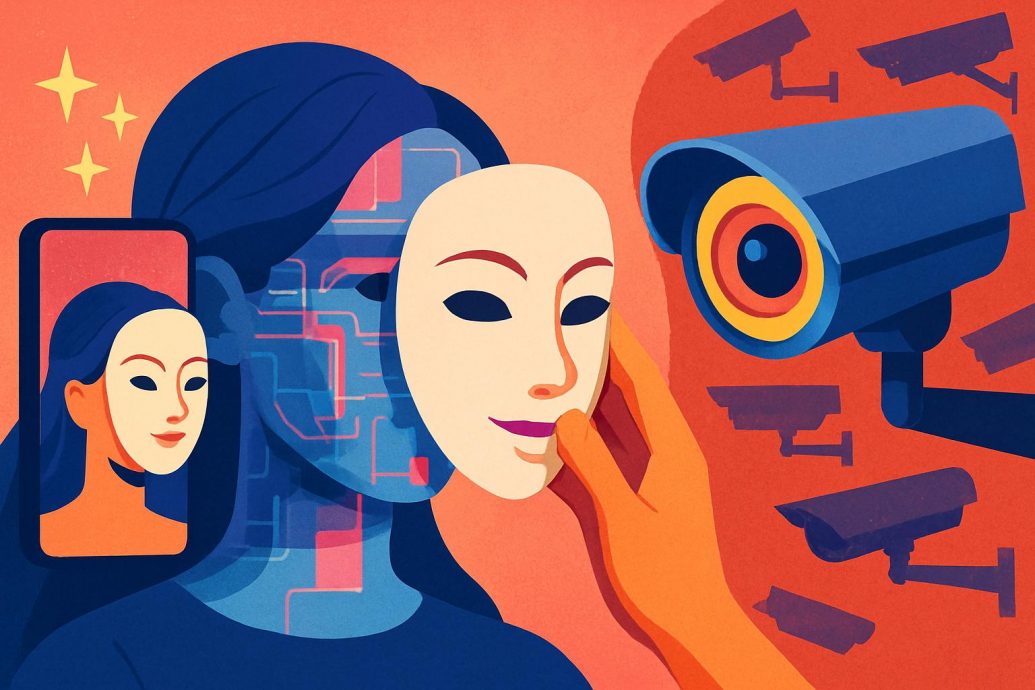
AI Fame or Surveillance? Molt Unmasked explores the unsettling yet captivating rise of Molt, a TikTok-famous AI robot, as an emblem of our evolving relationship with artificial intelligence. While Molt charms millions online as a digital influencer, the technology behind it also mirrors darker applications of AI particularly facial recognition surveillance and public monitoring. This duality highlights a critical moment where cultural fascination overlaps with surveillance anxiety. Are we simply watching a form of digital art or becoming participants in a subtle, algorithm-driven system of control?
Key Takeaways
- Molt represents both the playful side of AI influencers and the serious ethical concerns linked to surveillance tech.
- The same AI technologies used in entertainment are also present in governmental facial recognition programs, some of which have failed or faced criticism.
- Public responses to AI vary dramatically between social media and state surveillance, revealing major trust gaps.
- A closer examination of AI personas like Molt challenges how we perceive authenticity, control, and emotional connection in digital environments.
Meet Molt: The TikTok Robot You Can’t Ignore
Molt, a digital personality crafted using advanced AI and digital animation, has quickly gained a massive TikTok following. With mechanical precision, Molt mimics human expressions, offers quirky reactions, and participates in trend-driven content. While many perceive this robot persona as entertainment, the technology that propels Molt (machine learning, computer vision, and algorithmic timing) is the same foundation used in more intrusive systems, such as facial recognition surveillance.
This intersection is not accidental. The success of Molt underscores our growing comfort with AI in informal spaces. Millions interact, comment, and engage with Molt as though it were a human user. But the underlying question persists: what happens when these emotionally intelligent systems are used not to amuse us, but to monitor us?
Behind the Screen: How AI Influencers Are Built
AI influencers like Molt are made possible through deep learning algorithms and avatar generation platforms. These systems analyze massive datasets of human interactions and replicate them to produce seemingly authentic content.
The building blocks include:
- Natural Language Processing (NLP): Enables AI to generate realistic dialogue.
- Computer Vision: Identifies emotional cues and mirrors them in responses.
- Motion Simulation: Adds nuanced gestures and movements to avatars, making them seem “life-like.”
The rise of these influencers aligns with increasing commercial opportunities. Brands partner with AI personalities because they offer 24/7 responsiveness, zero PR scandals, and consistent messaging. A 2023 McKinsey study on influencer marketing projects that AI-led influencer partnerships will make up nearly 30 percent of all brand-influencer deals by 2026.
From TikTok to the Streets: Facial Recognition Goes Public
Compare this entertainment application with the way AI is used in the public sector. One high-profile example is ICE’s failed facial recognition surveillance trial in Minneapolis. Facial scans were gathered without citizens’ consent, which triggered widespread backlash. Although technically advanced, the program lacked transparency, and public trust collapsed.
This brings the AI dichotomy into sharp focus. The same algorithm that lets Molt read emotions or sync with TikTok trends can also be used to recognize protestors in a crowd. The key issue is not merely technological capability but ethical intention and transparent use. For deeper insight into this paradox, see how AI ethics shape public perception and response to emerging technologies.
AI for Fun vs. AI for Control: A Quick Comparison
| Aspect | AI Influencers (e.g., Molt) | AI Surveillance (e.g., ICE Program) |
|---|---|---|
| Purpose | Entertainment, marketing, digital creativity | Monitoring, law enforcement, behavioral analysis |
| User Consent | Voluntary engagement | Often implemented without consent |
| Public Reception | Generally positive and curious | Controversial and distrusted |
| Emotional Impact | Engagement, empathy, novelty | Anxiety, loss of privacy, control |
Why We Trust AI on Social Media but Not in Surveillance
Public trust in AI diverges sharply between contexts. A recent Pew Research survey found that 61 percent of respondents are comfortable interacting with AI-generated content on platforms like TikTok and Instagram. In contrast, only 22 percent trust AI use in law enforcement surveillance systems.
Psychologists attribute this to emotional design. AI personas like Molt respond to positive feedback and simulate relatability, creating an illusion of connection. Unlike invisible surveillance networks, social AI is part of a feedback-rich, visible, and interactive environment. This increases our comfort level with it. Self-evolving AI raises deeper concerns about control and transparency once the system becomes more autonomous.
Dr. Laura Finch, a digital anthropologist at NYU, notes, “We form parasocial relationships with AI personas the same way we do with celebrities. The emotional return is real, even if the entity isn’t.”
The Emotional Cost of Digital Relationships
There are deeper social implications. As AI personas become more sophisticated, our boundaries between human and machine begin to dissolve. Emotional attachment to robots like Molt is not limited to fandom. It involves identity projection, expectations of emotional reciprocity, and ultimately, the potential for emotional manipulation.
These dynamics raise serious questions. Can we feel genuine sadness for an algorithm? Can digital grief become real if the figure involved never truly existed? These are not just hypothetical concerns. They relate directly to innovations in grief tech, AI-driven therapy bots, and emotional support systems. The emotional realism offered by AI is rapidly reshaping how we form bonds through screens. Technologies that once seemed like far-off science fiction are becoming part of our daily interactions. This is especially concerning in areas already affected by AI-driven disinformation and manipulation.
FAQ: Navigating AI Influence and Surveillance
What are AI influencers?
AI influencers are computer-generated personas powered by machine learning algorithms and visual engines. They produce content similar to human creators, often gaining large followings on platforms like TikTok and Instagram. Molt is one such example.
Is facial recognition ethical?
The ethics of facial recognition are widely debated. While some argue its role in improving safety, many critics raise concerns about racial bias, consent, and transparency. The failed ICE trial in Minneapolis reflects growing public resistance to unchecked surveillance. For additional reading, take a look at how systems like China’s social credit system illustrate the risks of surveillance-based governance.
How do people react to AI-generated content?
Reactions to AI-generated content depend on context. On social media, users often respond positively due to the novelty and emotional expression of the content. In institutional settings, such as policing or government tracking, AI generates significant distrust and concern about personal freedoms.
What is Molt on TikTok?
Molt is a TikTok-famous AI robot known for its expressive reactions and stylized video content. Although fictional, Molt showcases advanced animation, machine learning, and emotional simulation, opening new questions about authenticity and digital identity.
Conclusion: The Line Between Intimacy and Intrusion
The rise of AI influencers like Molt reveals more than just technological progress. It exposes our willingness to blur human and artificial emotional boundaries. While such systems delight and engage, they use the same computational foundation found in controversial programs designed to monitor and control.
Striking a balance will require more than regulation. Public discourse and education about AI applications are essential. We must understand not just how these systems work, but what we want them to do. The more emotionally convincing AI becomes, the more cautious we must be.
Before subscribing to the latest AI trend, consider what lies beneath the surface.