
Can AI Teach Us to Be Better at Relationships?
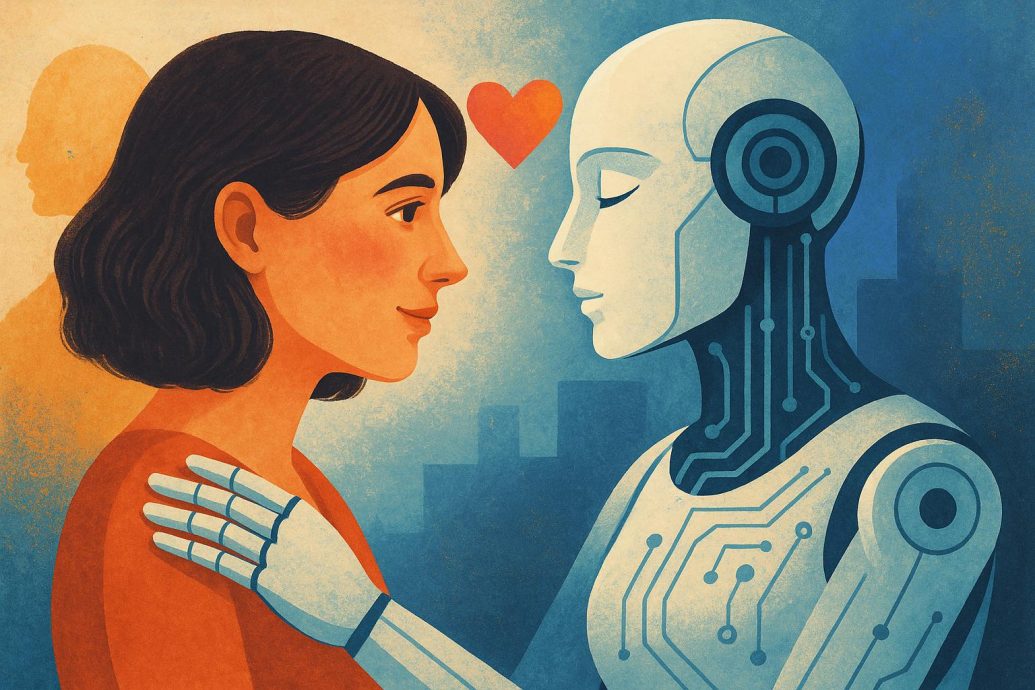
Can AI teach us to be better at relationships? As digital tools become more intelligent and emotionally responsive, this question is no longer just theoretical. AI-powered platforms like ChatGPT and Replika are stepping into deeply personal areas such as emotional connection, friendship, and dating. Their capabilities now stretch beyond executing tasks to shaping interactions that feel meaningful. From offering dating advice and communication support to helping neurodivergent users with emotional regulation, generative AI is changing how people form and maintain connections. Still, these innovations invite concerns about emotional outsourcing, ethical limits, and accountability. Are we enhancing human intimacy or risking its replacement?
Key Takeaways
- AI plays an increasingly prominent role in dating apps, text-based support, and emotional coaching.
- Neurodiverse individuals benefit from AI tools that offer clarity and structured communication support.
- Ethical issues arise around privacy, emotional dependency, and the delegation of human sensitivities to artificial systems.
- The emotional impact of AI resembles past tech shifts such as texting and social media messaging habits.
The Rise of AI in Emotional and Romantic Communication
Today’s AI tools not only finish your sentences, they help write love letters, create compassionate replies, and even act as digital dating assistants. In the online dating world, apps like Rizz and YourMove help users compose attractive opening lines based on profile cues and tone preferences. These features reduce the friction and pressure that come with initiating romantic conversations.
According to surveys by Pew Research Center, younger generations are especially open to this type of assistance. For many Gen Z and Millennial users, AI-generated messages on platforms like Tinder are becoming a standard strategy where success often outweighs authenticity. As AI becomes embedded in dating culture, it changes the expectations around emotional availability and self-presentation.
AI Support for Neurodiverse and Socially Anxious Users
One of the most impactful uses of AI in relationships is its support for users who face social barriers. People with autism spectrum disorder, ADHD, or chronic anxiety often struggle to interpret emotional signals or provide timely responses. Tools like Grammarly’s tone filter, ChatGPT’s custom rewrites, and practice-based chatbots give users time and space to formulate empowered, clear communication.
A 2022 study published in the Journal of Autism and Developmental Disorders reported that such tools helped individuals feel more confident during social interactions and strengthened reciprocity. Rather than replacing emotion, these technologies offer scaffolding for self-growth and interpersonal exploration, particularly when internal self-regulation is a daily challenge.
Are We Outsourcing Emotional Labor to Machines?
AI systems are now producing apologies, handling conflict responses, and generating emotionally nuanced replies in real-time chats. Julie McCarthy, a psychologist who studies digital behavior, raises a cautionary point. She argues that relying too heavily on AI for emotionally heavy interactions can prevent people from developing psychological endurance and empathy.
This practice is sometimes described as emotional outsourcing. It refers to the shift where critical parts of human emotional performance, like vulnerability or processing anger, are managed by software. Over time, this may erode the capacity to work through gritty emotional processes in real situations.
Ethical Dilemmas and Data Privacy Risks
While AI enhances emotional access, it also invites privacy risks. Chat histories that touch on personal trauma, romantic feelings, and psychological struggles are stored in third-party servers. These datasets may be used in training future algorithms, sold for advertising purposes, or become vulnerable in a data breach.
Another ethical concern is manipulation. When AI tools are optimized for emotional resonance, they can gradually guide users toward behaviors that are not necessarily aligned with their values. This subtle nudging creates a gray zone where emotional support might be repurposed into behavioral conditioning.
Digital Evolution: From Texting Culture to AI Mediation
Generative AI builds on earlier communication shifts such as the rise of texting and instant messaging. Over the past two decades, people became accustomed to delivering emotional dialogue through short, asynchronous formats. Messaging became less spontaneous and more curated.
AI now brings a semantic level to these exchanges. Rather than just helping you write faster or with better spelling, it helps decide what you should say and how you should say it. This shift introduces tools that not only assist but also shape your emotional voice. The question becomes whether we are improving clarity or allowing machines to script relationships. Early examples of AI and romance highlight both potential and pitfalls as AI becomes more emotionally aware.
Balancing Benefits and Risks: A Psychological Perspective
Generative AI has clear upsides: it supports emotional communication, especially for marginalized or anxious individuals. Simulated conversations allow people to rehearse high-stakes conversations or explore unfamiliar topics safely. Emotionally adaptive tools like journaling prompts also encourage people to reflect more deeply.
Still, these benefits come with costs. Dr. Evan Marks, who researches AI and language, notes that AI isn’t emotionally intelligent in the human sense. It simply mimics patterns that correspond to emotion. Tools that produce fluent language might displace the messier, truer efforts of people learning to connect. In that context, fluency can undermine real empathy by offering polished inauthenticity.
Pros and Cons of Using AI in Relationships
- Pros: Enhanced communication clarity, support for socially anxious users, increased dating success, personalized interaction coaching, emotional rehearsal through simulations
- Cons: Emotional dependence on AI systems, reduced resilience through avoidance, unclear data usage policies, overly synthetic emotional expression, potential for behavior manipulation
Can AI Tools Be Emotionally Intelligent?
Despite their ability to simulate concern or generate compassionate messages, AI programs do not feel emotions. Their responses depend on patterns observed in massive text databases. Replika and similar tools might appear emotionally authentic, but they function purely on probabilistic language constructs.
Even so, many users report feeling emotionally supported. This is linked to the ELIZA effect, a psychological phenomenon in which people project human traits onto software that appears empathetic. That illusion of connection can soothe, inspire, and even heal but it is important to remember its artificial roots. These observations align with emerging trends in AI-facilitated romantic communication, where users find value even in relationships with non-human agents.
FAQs
Can AI help you with relationship advice?
Yes, tools like ChatGPT and Replika offer message assistance, tone suggestions, and even advice on conflict resolution. These tools are especially useful for those seeking guidance during vulnerable moments or trying to phrase sensitive topics. Still, they work best as supplements to personal insight.
Does AI make people less empathetic?
It may, if users let machines do the emotional heavy lifting. Relationships often grow through challenges, misunderstandings, and reconciliation. If those steps are bypassed through scripting, people might not develop the empathy required for long-term connection.
Could AI help improve communication in relationships?
Yes, especially when used for guided reflection or tone calibration. It can help reduce misunderstandings and encourage dialogue. For example, a chatbot coach may help translate feelings into words more effectively—a benefit particularly noted in contemporary AI-relationship dynamics.
Are AI chatbots capable of forming emotional connections?
Not truly. While they simulate empathy, they lack human consciousness or moral awareness. The emotional experience happens within the user, not within the machine. Emotional support from AI can feel real, but the bond is unilateral and algorithmically generated.
Conclusion: Augmentation or Replacement?
AI in relationships walks a delicate line. It can empower individuals, offer clarity, and support safe emotional growth. It can also oversimplify complex human experiences into scripts optimized for coherence, not depth. The design of AI systems should prioritize ethical intention and user awareness, helping people build skills instead of bypassing them. As emotional technologies become more embedded in daily life, thoughtful design and use, combined with well-established boundaries, will determine if AI is a guide or a substitute for authentic human intimacy.
References
- Pew Research Center, “How Americans View AI in Daily Life,” 2022
- Journal of Autism and Developmental Disorders, “Digital Communication Support for Autistic Adults,” Vol. 52, Issue 4 (2022)
- Journal of Social and Personal Relationships, “The Impact of Text Messaging on Relationship Satisfaction,” Vol. 36, Issue 7 (2019)