
Introduction
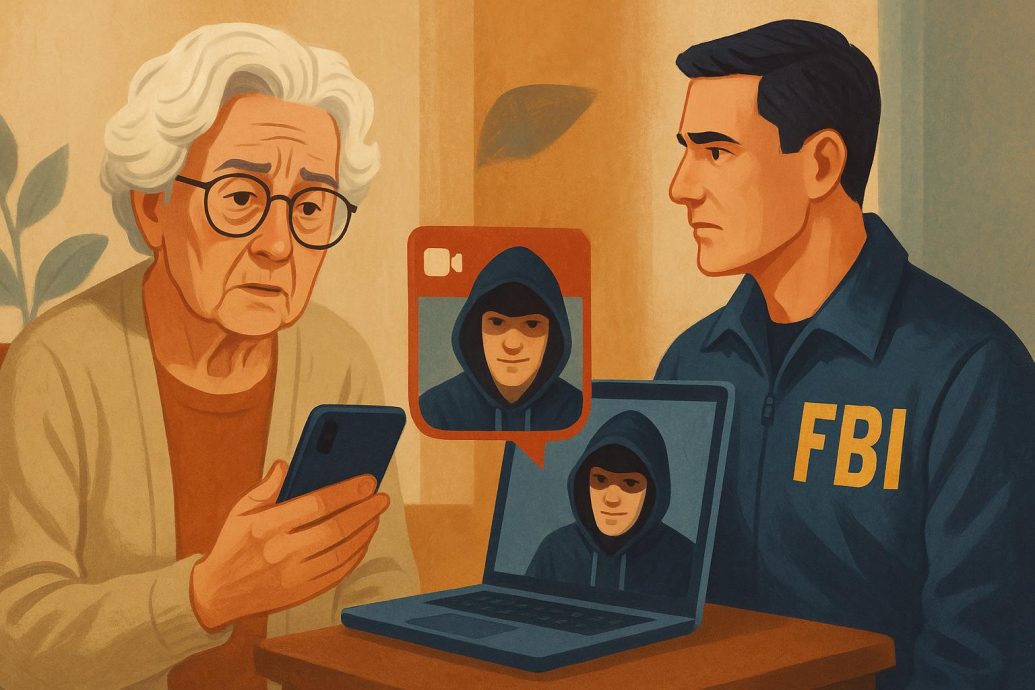
The urgent message behind FBI Warns Seniors of Deepfake Scams is more than just a headline. It is a wake-up call for families across the country. Criminals are now using artificial intelligence to create extremely realistic voice and video impersonations. These deepfakes trick elderly victims into sharing sensitive data or giving away their life savings. Trust is being twisted by this digital threat, and families must learn how the technology works to help prevent these devastating scams from succeeding.
Key Takeaways
- AI-powered deepfakes are used by scammers to pose as family members or officials.
- The FBI has issued a clear warning about voice imitation scams aimed at older adults.
- One recent case involved a Tennessee woman almost losing her savings after being tricked by a fake voice clone of her grandson.
- Awareness among families and caregivers is essential to stop this kind of fraud.
Rising Threat: The Reality of Deepfake Scams Targeting Seniors
Artificial intelligence tools can now mimic voices and videos after analyzing just a few seconds of recorded audio. Scammers use this ability to impersonate trusted individuals convincingly, including family members. These attacks prey on emotion, making the scam more believable. A fraudster might clone the voice of a grandchild and call a grandparent asking urgently for money or personal information.
Based on data from the Federal Trade Commission, people over the age of 60 reported losing more than $1.3 billion in 2023 to fraud. A significant portion involved scams enhanced by AI. The FBI’s crime division received more complaints about synthetic impersonation and voice cloning, reflecting how serious this problem has become.
Case Study: A Tennessee Grandmother’s Brush with Fraud
A recent incident demonstrates how convincing these scams can be. A woman in Tennessee received a phone call from a voice that perfectly matched her grandson’s. The caller said he had been arrested and needed money for bail. Panicked and emotional, she sent thousands of dollars before speaking to her real grandson and discovering it was all a scam.
This case shows that AI-generated voice fraud is already affecting lives. The sense of urgency and emotional manipulation leaves little room for rational thinking, especially when the voice sounds unmistakably familiar.
How AI Voice Impersonation Fraud Works
Understanding how these scams unfold gives families a better chance of preventing them. Below is a breakdown of how a typical scam targeting older adults plays out:
- Audio Harvesting: Scammers gather voice clips from online sources such as social media posts or voicemails.
- Voice Cloning: AI software uses the audio to create a synthetic copy of someone’s voice.
- Scam Execution: The scammer contacts the senior, pretending to be a relative in trouble, and requests money or private information.
- Emotional Manipulation: The cloned voice sounds distressed, increasing pressure and decreasing the likelihood of skepticism.
Traditional scams often rely on fake emails or robocalls. Deepfake scams are far harder to detect because they build on trust and personal relationships. If you want to learn more about synthetic media tactics, we recommend reading what is a deepfake for a comprehensive overview.
Why Seniors Are Being Targeted
There are several reasons fraudsters focus on elderly individuals:
- They tend to use landlines and are more likely to answer unknown calls.
- They have limited knowledge of AI and voice replication tech.
- Seniors may respond emotionally if told a loved one is in danger.
- Cognitive changes or slower decision-making can make them more vulnerable.
The FBI’s Elder Fraud Initiative encourages relatives to talk to older family members and stress the importance of not trusting unfamiliar calls, even when they sound familiar.
Education for Families: How to Talk to Seniors About Deepfakes
Starting a discussion with family members about AI fraud is an important step. You can use these ideas to guide the conversation:
- Explain What a Deepfake Is: Help your elder relatives understand how both voices and faces can now be digitally cloned.
- Create a Family Code Word: Develop a phrase or question that only trusted family members know in case of emergency calls.
- Encourage Verification: Teach them to always verify any urgent call by contacting a relative through an official number.
- Talk About It Often: Bring this up regularly during visits or calls to keep the issue top of mind.
If you’re unsure how to spot manipulated content, resources like how to spot a deepfake can help families gain the skills to detect and question media that may seem real at first glance.
Expert Insight: The Growing Capabilities of Deepfake Technology
Dr. Hannah Reyes, a digital forensics expert at the University of California, remarked that deepfake crimes are changing the nature of online deception. She said, “When a cloned voice matches a loved one’s, it connects emotionally and bypasses rational thinking. That makes it very dangerous.”
Today, anyone can download simple voice-cloning tools and use them with minimal technical knowledge. Even a brief voice recording is enough to replicate someone’s tone, making it even more important for families to understand tools used to undermine trust with AI.
Protective Measures and Trusted Resources
Families can take a few basic actions to reduce the risk of deepfake scams:
- Limit Public Voice Sharing: Avoid posting lengthy videos or voicemails on public platforms.
- Secure Personal Devices: Enable two-factor authentication and use strong passwords.
- Set Up Call Rules: Never share sensitive data or send money based on any call without secondary confirmation.
- Report Incidents Promptly: Use official outlets like the FTC fraud report site or the FBI IC3 portal.
Several organizations provide helpful information and hotlines:
International Perspective on Deepfake Regulation
Some countries are taking legislative steps to address the misuse of deepfakes. The European Union’s AI Act labels voice or video impersonation used for scams as high risk, requiring tracking and disclosures. In Canada, lawmakers are proposing bills to criminalize AI impersonation without the consent of the individual.
The United States has been slower to regulate, but agencies are actively investigating cases and warning the public. For now, awareness and vigilance remain the best defense. Learning how others are fighting back against deepfakes can offer useful ideas for concerned families.