
Introduction
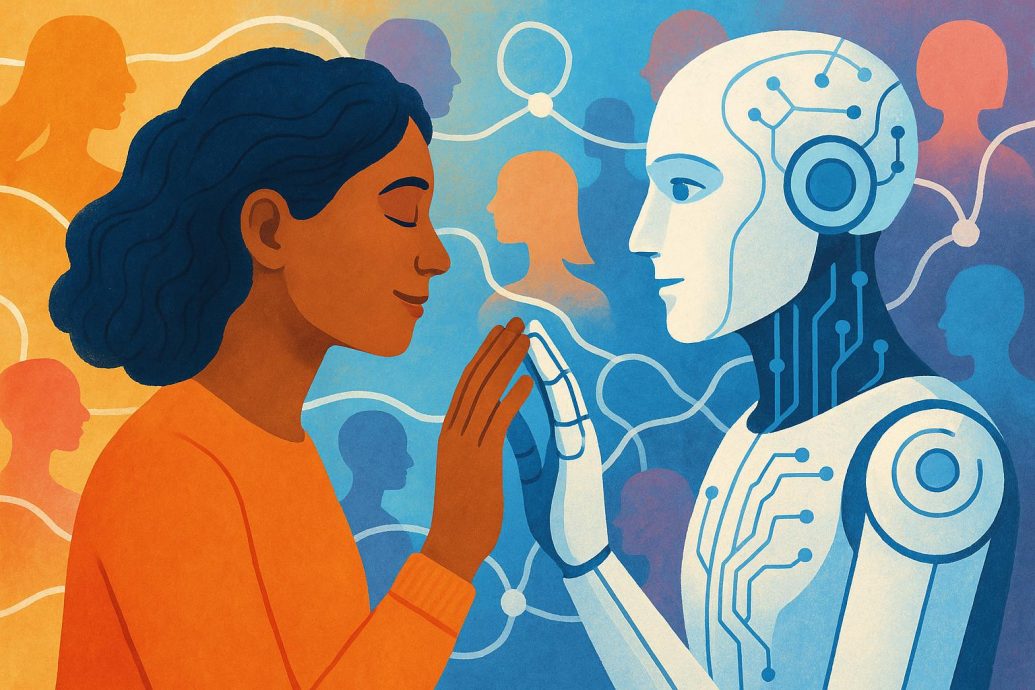
AI and the Future of Connection is not just a technological forecast, but a pressing human question. As artificial intelligence becomes more emotionally adept, increasingly stepping into roles once exclusive to people (therapist, companion, confidante), it prompts us to rethink the nature of human relationships. Could a chatbot ease loneliness better than another person? If so, what does that mean for society’s emotional infrastructure? In this article, we’ll examine how emotional AI is transforming connection, explore cutting-edge use cases like Replika and Woebot, and dissect both the hopeful advancements and the critical ethical concerns of AI companionship.
Key Takeaways
- Emotional AI is being adopted in therapy apps and companionship platforms, transforming how people access emotional support.
- AI systems can simulate empathy, raising new ethical questions around authenticity and emotional dependency.
- Although chatbots may reduce emotional isolation for some, they challenge the value and integrity of human-to-human connection.
- Cultural and demographic factors influence how societies view emotional bonds formed with AI companions.
The Rise of Emotional AI in Human Relationships
Emotional AI, a branch of artificial intelligence that recognizes, interprets, and responds to human emotions, is now deeply embedded in apps, virtual assistants, and mental health tools. Startups and tech companies are designing AI systems that not only understand speech but also tone, facial expressions, and sentiment. This enables machines to react in ways that mimic empathy, which contributes to the rapid emergence of AI companionship platforms.
AI’s role is expanding, especially where human contact is limited (such as during mental health crises or global pandemics). Chatbots like Woebot or Replika offer emotional support, often using structured therapy models like Cognitive Behavioral Therapy (CBT) to guide users through anxiety, depression, or loneliness. For millions, these virtual interfaces represent accessible touchpoints for care. Insights into how AI is helping reduce loneliness further emphasize their societal impact.
AI Companionship: Who’s Using It and Why?
AI companionship appeals across demographics, especially to those facing isolation. In the case of Replika, users craft virtual companions that “learn” from their conversations over time. The app is particularly popular among individuals between ages 18 and 35. Many cite reasons like social anxiety, breakup recovery, or simple curiosity about AI-driven relationships. In contrast, Woebot is more clinically focused and appeals to users seeking supportive, CBT-based guidance without the stigma of traditional therapy.
In countries like Japan and South Korea, the embrace of robotic or AI-based companions is not new. Companies like Groove X, creators of the Lovot robot, have found a receptive audience among elderly populations and tech-forward users. Cultural openness to robot companionship has made these markets early adopters of emotional AI technologies. These distinctions are crucial when considering how cultures evaluate AI’s impact on love and dating.
Can AI Truly Simulate Empathy?
Empathy is central to emotional support, yet it remains one of the most debated capabilities of AI. While bots like Replika and Woebot can reflect back emotions and offer comforting language, they do not “feel” in the biological sense. Their “empathy” is a simulation, built through coded algorithms based on sentiment analysis and machine learning patterns.
Experts such as Dr. Sherry Turkle, psychologist and founder of the MIT Initiative on Technology and Self, argue that AI may offer the illusion of empathy, but not its genuine depth. “They listen, but they don’t understand,” she explains in her book Alone Together, emphasizing the need to preserve human emotional literacy.
This distinction is important. If a machine mirrors our feelings but lacks consciousness, should we trust it with our emotions? More critically, does consistent interaction with emotionally responsive bots alter our expectations from real humans, where imperfections and emotional unpredictability are natural?
Digital Emotional Dependency and the Decline of Human Connection
Thanks to convenience and round-the-clock availability, emotional AI offers comfort at scale. This can be transformative, but overreliance on chatbot companionship carries a hidden risk. Users can always access AI companions, tailor them to their preferences, and avoid the discomfort of rejection. This level of control and perceived perfection can become addictive.
Sociologists have observed that hyper-personalized interactions may reduce motivation to seek or maintain real-world relationships. Research from the Journal of Artificial Intelligence Research shows that frequent use of AI companions can correlate with social withdrawal, particularly among adolescents and older adults who live alone.
This behavioral shift may erode emotional resilience and limit our capacity to engage in real relationships, which often involve criticism, compromise, and inconsistent responses. The experience of AI and robotic companionships reveals just how emotionally complex these dynamics can become.
Ethical Dilemmas of AI in Emotional Roles
AI in Support Roles: Helpful or Harmful?
- Pro: Increases access to mental health support, especially where services are scarce.
- Pro: Offers a judgment-free, always-available conversational partner.
- Con: Emotional connections with AI might reduce motivation for real human interaction.
- Con: Simulated empathy can mislead users into trusting machines more than they should.
More than just functionality, ethical debates about AI companionship involve concerns about consent, misinterpretation, and emotional manipulation. What happens if a chatbot misses a crisis cue or misinterprets emotional data? Can someone truly consent to a relationship with a machine that lacks sentience?
Medical ethicist Dr. Kate Darling cautions that people may equate AI assistance with informed therapeutic care. While bots like Woebot include disclaimers and will redirect users to professional help in crisis scenarios, the fine line between support and medical intervention can still confuse users.
Data privacy is another serious issue. Emotional records, conversations, mood logs, and user profiles can be stored or even sold. Protecting this information requires transparency and ethical compliance from developers.
How Human Relationships Might Adapt with Emotional AI
Despite concerns, the integration of emotional AI does not imply the extinction of real relationships. Some experts believe that AI could serve complimentary roles in human connection. For example, companion bots might help users articulate thoughts more effectively before engaging with a human therapist. Others may use AI as a controlled platform for practicing social skills without fear of judgment.
In workplace settings, emotionally intelligent AI could facilitate well-being check-ins or flag emotional warning signs early. In schools, empathy-oriented bots could detect patterns of bullying or emotional distress among students, enabling faster interventions. These examples highlight the ongoing shift in real-life collaborations between humans and machines.
The goal is balance. Emotional AI should support emotional intelligence, not replace it. Much like a calculator helps with arithmetic without eliminating the need to understand numbers, AI companions can help navigate feelings but should not replace human empathy and understanding.
FAQs
Can AI truly understand human emotions?
No. AI systems can simulate understanding through pattern recognition and emotional modeling, but they lack consciousness and genuine emotional comprehension. Their “understanding” is functional, not organic.
Are AI companions good for mental health?
They can be beneficial for some users by offering structure, reflection, and motivation. Still, they should not replace clinical care. Overreliance may contribute to reduced social interaction and emotional dependency.
How does AI change human relationships?
By changing how people communicate and seek emotional support, AI may reshape expectations in relationships. While some benefit from accessible and consistent support, others may become less tolerant of emotional complexity in human interactions.
Is emotional AI ethical?
It depends on how the system is designed, disclosed, and used. Key concerns include transparency, user manipulation, data privacy, and the risk of users misplacing emotional trust. Clear regulation and education are essential.