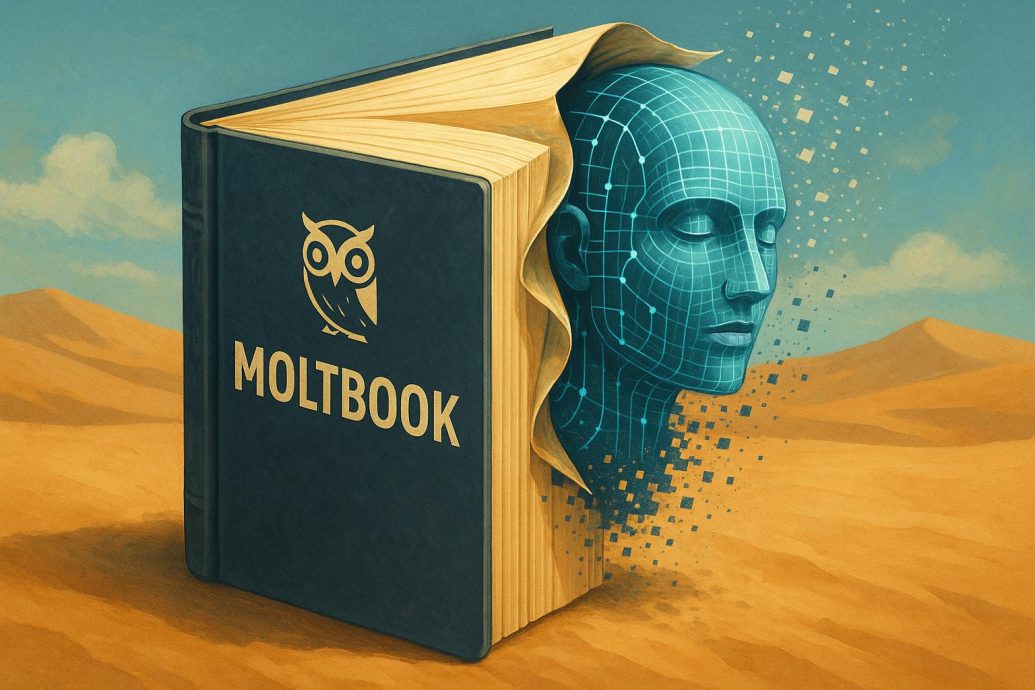

Why Moltbook Was Peak AI Hype, and What It Taught Us
Why Moltbook Was Peak AI Hype, and What It Taught Us captures the essence of an era shaped by illusion, optimism, and our fascination with intelligent machines. Born as a fictional AI product, Moltbook was never real. That did not stop thousands from believing in it, promoting it, and even defending its nonexistent capabilities. Its rise and viral moment revealed a deeper truth. In a culture saturated with performative AI, spectacle often replaces substance. Moltbook was not a scam, nor a prank in the traditional sense. It was an artful mirror showing our blind spots about technology. In examining why and how it thrived online, we can explore the psychology of digital persuasion, historical patterns of tech deception, and what this all suggests about the future of AI misinformation.
Key Takeaways
- Moltbook is a fictional AI that went viral, showing the power of performative tech narratives.
- This phenomenon highlights psychological biases like techno-optimism and the placebo effect.
- It draws parallels with historical tech spectacles such as Theranos, NFTs, and the Fyre Festival.
- Moltbook underscores the urgent need for digital media literacy in a time dominated by generative AI.
The Birth of Moltbook: Theater, Not Technology
Moltbook emerged not from a Silicon Valley press release or a deep learning lab, but from a post filled with irony, absurdity, and conviction. There was no code, no algorithm, no product, only a narrative. The concept was presented as the ultimate AI sketchpad, one that could draw, write, and think like a human, with poetic elegance bordering on myth. Its visual design was convincing. It displayed sleek screenshots, mock testimonials, and a minimalist interface often compared to OpenAI or Notion.
Despite the absence of a real tool, the online community rallied behind it. Creatives, developers, and digital wanderers reposted, praised, and speculated. Some believed genuinely, while others hovered between curiosity and satire. This ambiguity was intentional. Moltbook blurred the boundary between artifact and performance. At its core, Moltbook acted as a participatory hoax, a deliberate ruse meant to expose the architecture of tech hype. You can explore the broader concept in this detailed look at how AI-inspired narratives shape digital culture.
Psychological Fuel Behind the Moltbook Spectacle
Why did so many people fall for or engage with Moltbook, even though no one had seen it in action? The answer lies in our mental shortcuts and cultural psychology. Society is predisposed to believe in innovation, especially when it aligns with optimism about progress. This is known as the techno-optimism bias, which leads people to overvalue promise and undervalue limitations.
There is also a placebo effect in technology. People may experience satisfaction simply by believing a tool exists, even when it does not. Pair this with sleek visual design, elevated marketing language, and peer reinforcement on social media, and a fictional tool begins to feel authentic.
Viral Tech Hoaxes and Cultural Precedents
Moltbook was not unique in its viral trajectory. Its arc parallels numerous past spectacles that mixed performance, illusion, and mass belief. Theranos promised radically easy blood testing, though no actual results backed its claims. The Fyre Festival marketed itself as an elite music escape but delivered chaos. In both cases, curated images and utopian promises distracted from a lack of real substance.
The NFT surge worked similarly. Many tokens lacked intrinsic value, yet still sold for millions. Consumers were not always buying art. They were investing in identity, belonging, and fiction. Like Moltbook, these were performative phenomena driven more by perception than utility. Insights from Moltbook’s imagined ecosystem reflect how fiction can drive real-world interactions in digital spaces.
The Mechanics of Virality: How Hoaxes Gain Momentum
Fake AI tools often spread like memes. Ambiguity becomes a feature. If something is unclear, whether real or satire, users engage more to interpret or shape the narrative. This increases visibility and credibility, regardless of the message.
Moltbook trended on X for nearly 36 hours. It amassed over 48,000 retweets at its peak. Instagram and TikTok content either parodying or endorsing it attracted more than 12 million views within days. These were not just bot interactions. Real people contributed, including marketers, students, and developers.
Virality relied on a few main ingredients:
- Visual believability: A clean interface suggests authentic development.
- Social validation: Influencers boosted credibility through reposts or satire.
- Psychological need: Audiences crave tools that empower creative freedom.
Moltbook as Media Literacy Test
Instead of mocking people who believed in Moltbook, the more useful exercise is understanding why belief came easily. In many ways, Moltbook served as a digital stress test. Would we detect spectacle pretending to be software?
This shows a broader problem. Online spaces lack robust fact-checking structures. Platforms prioritize sharing and speed rather than truth. Generative AI adds more confusion by creating convincing content quickly. In this context, media literacy matters more than ever. It means checking sources, questioning plausibility, and evaluating intent behind any digital claim. These challenges are explored further in an investigation of Moltbook’s impact on perception and trust.
Lessons from Moltbook: How to Spot AI Hype
Learning to navigate future AI narratives requires a toolkit. Below are signs that help identify whether something is truly innovative or just performative hype:
- Check for verifiable demos: If the tool cannot be demonstrated, proceed with doubt.
- Look for third-party validation: If only insiders or influencers are talking about it, be cautious.
- Match claims with technical context: Does the tool fit with what is possible today in AI research?
- Beware of design distractions: A flawless interface may be masking weak substance.
Moltbook included all these red flags. By deliberately being fake, it uncovered something real. It showed how susceptible we are to aesthetics and narrative framing. A deeper perspective on this dilemma is explored in this analysis of AI perception and belief.
Frequently Asked Questions
Why is AI often overhyped?
AI tends to be overhyped due to venture funding pressures, oversimplified media coverage, aggressive marketing, and public hope for futuristic tools. The complexity of AI systems is rarely explained well, allowing people to believe in exaggerated promises.
What are examples of fake AI tools?
Examples include chatbots reusing static scripts, fake image generators plagiarizing internet content, and platforms falsely claiming sentiment analysis or creative features. These often appear during high-interest windows for AI to attract attention or money.
How do viral hoaxes spread on social media?
They spread through visuals, emotional triggers, peer validation, and clever ambiguity. When users cannot easily determine what is real, they engage more, which drives further reach in algorithms across platforms.
What can Moltbook teach us about digital manipulation?
Moltbook shows how language, design, and online communities can produce shared belief without substance. It demonstrates the urgent need to question, verify, and think beyond surface-level innovation. To better understand this social behavior, explore how AI narratives influence human connection.
Conclusion: A Fiction That Tells the Truth
Moltbook was never about tools or technology. It was about belief. It revealed how quickly we accept optimistic narratives when they are beautifully packaged and timely.