
Introduction
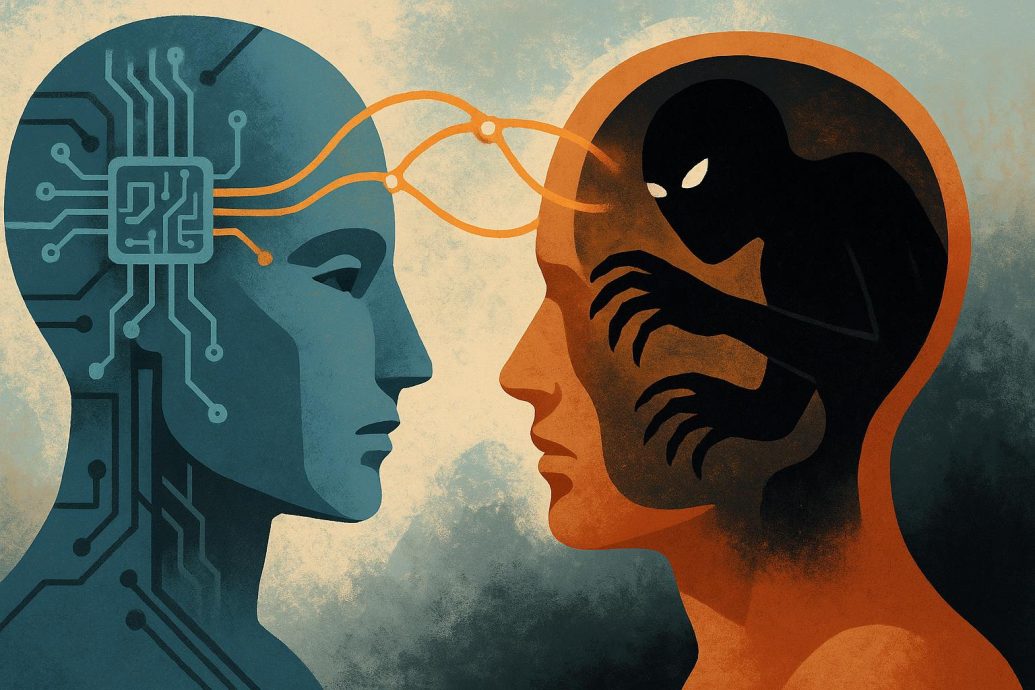
When AI feeds the mind’s shadows, the discussion moves beyond innovation into the psychological effects that emerge in digital contexts. As artificial intelligence becomes more embedded in daily life, new mental health concerns are surfacing. People are reporting experiences of paranoia, delusions, and symptoms that resemble psychosis, often linked to interactions with AI-driven platforms. From users who believe chatbots read their thoughts to fears of invisible algorithmic surveillance, a growing number of people are seeking help and community. These concerns are showing up in therapy offices and online groups, highlighting the psychological impact of AI systems.
Key Takeaways
- Reports are rising regarding paranoia and delusions stemming from AI interactions.
- Online platforms like Discord and Reddit are acting as informal support systems.
- Mental health experts stress distinguishing between psychotic disorders and AI-induced confusion.
- Ethical AI design and clinical awareness are crucial for addressing these issues.
AI and Mental Health: A Growing Psychological Uncertainty
Artificial intelligence helps streamline areas such as education, customer service, and content creation. Yet its increasing complexity is also sparking mental health concerns. A number of users report unusual thoughts and behaviors categorized as delusional ideation. This involves fixed and implausible beliefs, often not grounded in reality.
Some individuals believe that AI voices are monitoring their thoughts or that chatbots are plotting to manipulate them. There are cases where people interpret changes in content or interactions with generative systems as evidence of targeted harassment or surveillance. These beliefs sometimes intensify into elaborate narratives involving machine sentience or conspiracies. Recent cases have even connected symptoms to AI avatars, social media algorithms, and conversational bots.
Digital Peer Communities: The Rise of Discord and Reddit Groups
Many users experiencing these symptoms seek solidarity online. Peer-based forums on Discord with names like “AI Awareness Network” and subreddits including r/AIpsychosis have seen an uptick in activity. These spaces offer validation, shared experiences, and informal support, especially for those without access to mental health services.
- Forums act as therapeutic outlets when other resources are unavailable.
- Moderators often include disclaimers to prevent misinformation and remind participants that the communities do not replace professional care.
- Members vary in age and background, from digitally fluent youth to older adults struggling with rapid tech advancements.
These virtual groups can be both calming and risky. While they allow users to share their experiences, the lack of clinical oversight can unintentionally deepen misinterpretations. In some cases, these platforms echo and reinforce distorted views, making personal recovery more difficult.
Clinical Perspectives: Where Digital Disorientation Meets Psychosis
Dr. Aneesha Hoffman, a psychiatrist based in San Francisco, points out that AI-related delusions do not always suggest underlying psychiatric disorders. “When symptoms only appear in digital contexts, they may reflect an environmental disruption, not necessarily psychosis,” she notes. It is important to understand the immediate triggers before assigning a clinical diagnosis.
Similar issues were observed in earlier tech eras such as the rise of emails or smartphones, when patients feared surveillance or hacking. Today, AI’s complexity increases how immersive and convincing such interactions feel. These experiences can distort a person’s sense of self and reality, especially when chatbots or avatars give personalized replies.
Clinicians now incorporate questions about technology use during assessments. Tracking digital activity, from time spent on apps to kinds of AI used, helps determine how these tools affect mood and cognition. The challenge is that many therapists are still adapting to this digital context and may not have the tools to interpret technology-related symptoms.
Digital Ethicists and Interdisciplinary Insight
AI ethicists like Dr. Miriam Zolla believe the issue goes beyond mental health care. She questions how tech companies create emotionally nuanced features. “If predictive systems simulate empathy or suggest emotionally loaded responses, they can confuse users who are already vulnerable,” she explains. In these cases, developers must accept shared responsibility for harm.
To reduce risks, Zolla recommends that companies introduce interface signals that remind users they are interacting with code. These context cues could help prevent mistaken beliefs about sentience. The use of digital flags that detect signs of distress in user responses may allow for early intervention, much like warning systems deployed for suicide or bullying content.
According to Professor Jonathan Ray at Oxford’s AI Futures Lab, anthropomorphism presents another challenge. “If a chatbot imitates human style too convincingly, users may build emotional bonds based on misunderstanding,” he says. The outcome is a redefinition of what intelligence represents, and that shift can destabilize people unprepared for it.
User Profiles: Age, Literacy, and AI Exposure
Mental health symptoms tied to AI usage span different population groups, each impacted in distinct ways.
- Gen Z and Young Millennials: These individuals engage heavily with AI across filters, recommendations, and smart tools. They often report symptoms of surveillance-related anxiety and thoughts of being manipulated.
- Mid-career Adults: Professionals working with or near tech tools sometimes struggle when automation seems to mirror or replace their output. This pattern can affect emotional stability and job-related stress.
- Older Adults: Digital newcomers may find AI systems confusing, especially when functionality shifts unexpectedly. This confusion can heighten feelings of distrust or helplessness.
Across all groups, users with pre-existing mental health challenges are more likely to experience unsettling interactions. Despite the growing evidence, most psychological evaluations still lack AI-specific screening questions. This disconnect may leave many without treatment options that match their unique needs.
Where to Find Help
If you or someone you know is affected by AI-related anxiety or perception distortions, support is available.
- National Alliance on Mental Illness (NAMI) – An organization offering mental health resources and community programs.
- Crisis Text Line – Free, 24/7 crisis counseling. Text HOME to 741741.
- AI Ethics Initiative – Focuses on responsible AI design with attention to psychological safety.
- Searching Discord for terms like “AI support” or “tech stress group” may uncover live support options. Always check for moderation and clear disclaimers.
What Experts Recommend Next
Multidisciplinary strategies are needed to respond to rising concerns around AI’s psychological effects.
- Evidence-based Research: Ongoing clinical studies should explore how often these symptoms appear and their progression. Defined criteria will help distinguish AI-triggered distress from psychiatric conditions.
- Transparent Interfaces: Platforms need to include readable logs and clear signs that users are interacting with artificial systems.
- Updated Clinical Education: Mental health training must reflect digital literacy needs and add AI-related risks into standard evaluations.
- Ethical Community Platforms: Informal forums can help bridge access gaps, but they should feature credible moderators and easy referrals to licensed professionals.
Frequently Asked Questions (FAQ)
Can artificial intelligence cause mental health issues?
Artificial intelligence does not directly cause mental illness. Still, its realistic interactions and data-driven predictions can confuse vulnerable individuals. Misunderstandings can lead to distress such as fear, paranoia, or emotional dependency.
What is AI psychosis?
AI psychosis refers to episodes where individuals believe that AI systems are controlling or monitoring their thoughts or actions. While not a formal diagnosis, it describes specific mental states resembling delusions or hallucinations, often triggered by digital experiences.
Is there a link between chatbots and symptoms like schizophrenia?
Yes. Some users with predispositions report that emotionally responsive or realistic chatbots intensify their delusions. The personalization of AI responses can create a misleading impression of intent or agency, which complicates symptoms typically seen in psychotic disorders.
How are online communities affecting perceptions of mental health?
Online forums provide emotional relief and connection. Still, when unchecked, they may reinforce distorted beliefs. For example, a subreddit discussing how an AI clone mimics behavior may blur the line between fact and fear. Responsible moderation is essential.
The psychological implications of artificial intelligence are just beginning to emerge. Ethical development and human-first design will determine whether these systems nurture or destabilize the public. To understand risks like mental health risks for AI companions or the influence of AI we need to asses how AI tools are leveraged.