
Introduction
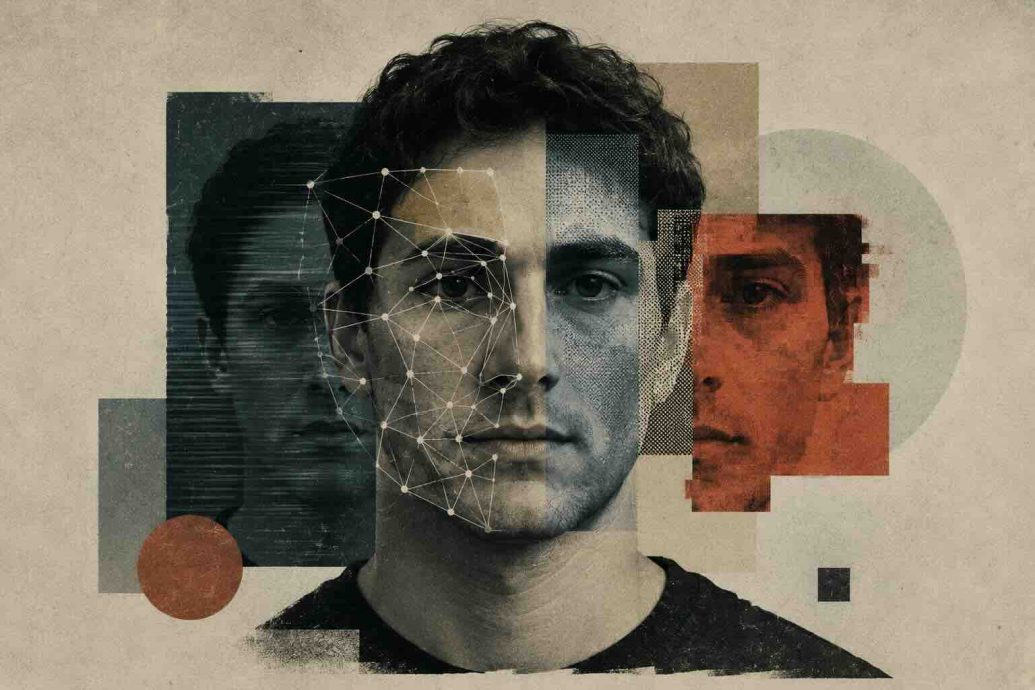
What is a deepfake, and why has this technology transformed from a niche research curiosity into one of the most pressing cybersecurity and societal challenges of the decade? The term deepfake combines deep learning with fake, describing synthetic media generated by artificial intelligence that can replicate a person’s face, voice, or mannerisms with startling precision. Fraud attempts using deepfakes have increased by 2,137% over the past three years, and 62% of organizations reported experiencing at least one deepfake attack in the past 12 months. A convincing deepfake video can now be produced in under 45 minutes using free software, while voice cloning requires only 20 to 30 seconds of sample audio. Understanding what a deepfake is, how deepfake technology works, and what tools exist to detect synthetic media is no longer optional for businesses, policymakers, or everyday internet users. This guide explores every dimension of deepfake technology, from the neural networks that power it to the global legislation racing to regulate it.
Quick Answers About Deepfakes
What is a deepfake and how does it work?
A deepfake is AI-generated synthetic media that mimics a real person’s appearance or voice. Understanding what is a deepfake starts with knowing it uses deep learning models to create realistic fabricated content depicting events that never occurred.
Can deepfakes be detected reliably in 2026?
Multi-modal detection tools that cross-reference audio and video simultaneously now achieve up to 96% accuracy on controlled datasets. Real-world accuracy remains lower as generation models evolve faster than detection systems.
Are deepfakes illegal?
As of 2026, 47 U.S. states have enacted deepfake legislation. The EU AI Act mandates transparency labeling, and China requires encrypted watermarks on all AI-generated content.
Key Takeaways
- Deepfake fraud losses in the U.S. are projected to reach $40 billion by 2027, growing at a 32% compound annual rate from $12.3 billion in 2023.
- Human detection of high-quality deepfake videos is only 24.5% accurate, making AI-powered detection tools essential for organizations.
- The TAKE IT DOWN Act, signed in May 2025, criminalizes non-consensual deepfake imagery and requires platforms to remove it within 48 hours.
- Positive applications of deepfake technology include film production cost reduction, medical training simulations, and historical education experiences.
Table of contents
- Introduction
- Quick Answers About Deepfakes
- Key Takeaways
- Understanding Deepfake Technology
- How Generative Adversarial Networks Power Deepfakes
- Diffusion Models and the Next Wave of Synthetic Media
- Types of Deepfakes Across Audio, Video, and Images
- The Step-by-Step Process Behind Creating a Deepfake
- Positive Applications in Entertainment and Film Production
- Educational and Healthcare Uses of Synthetic Media
- Financial Losses and the Business Cost of Deepfake Fraud
- Election Interference and Political Manipulation Through Deepfakes
- Non-Consensual Deepfakes and the Impact on Victims
- Child Safety Risks in the Age of AI-Generated Content
- Detection Methods That Work Against Hyper-Realistic Fakes
- Enterprise Defense Strategies for Deepfake Attacks
- Global Legislation and the Legal Response to Deepfakes
- Ethical Dilemmas at the Intersection of AI and Identity
- The Future of Deepfake Technology and the Detection Arms Race
- Building Organizational Resilience Against Synthetic Media Threats
- Key Insights on Deepfake Technology and Its Impact
- How Deepfake Technology Is Reshaping Industries: Real-World Examples
- Deepfake Case Studies: Lessons from High-Profile Incidents
- Frequently Asked Questions on What Is a Deepfake
Understanding Deepfake Technology
So what is a deepfake? A deepfake is synthetic media generated by artificial intelligence that realistically replicates a person’s face, voice, or behavior to depict events that never occurred, using deep learning models trained on existing footage of the target.
Deepfake Risk Assessment Calculator
Estimate your organization’s exposure to deepfake threats based on industry, size, and current security posture.
Risk Score
High Risk
Estimated Annual Exposure
Potential financial impact per incident
Priority Recommendations
Based on 2024-2026 deepfake incident data from Keepnet Labs, Sumsub, and Pindrop research.
How Generative Adversarial Networks Power Deepfakes
Generative adversarial networks, commonly known as GANs, form the foundational architecture behind most deepfake generation systems. A GAN consists of two neural networks that compete against each other in a training process that progressively improves the quality of generated content. The first network, called the generator, creates synthetic media by learning to replicate the patterns found in its training dataset. The second network, called the discriminator, evaluates whether each piece of generated content is real or synthetic. This adversarial training loop drives both networks to improve continuously, with the generator producing increasingly realistic output while the discriminator develops sharper detection capabilities. The competition ends when the generator produces content that the discriminator can no longer reliably distinguish from authentic footage.
The GAN training process begins with feeding the generator random noise alongside the target dataset. The generator transforms this noise into an output that attempts to match the statistical properties of the real data. The discriminator then receives both real samples and generated samples, assigning probability scores to each. When the discriminator correctly identifies a generated sample as fake, the generator adjusts its parameters to produce more convincing output in the next iteration. This cycle repeats thousands or millions of times until the generator achieves a level of realism that satisfies predefined quality thresholds. The entire process can take anywhere from several hours to several days depending on the dataset size and hardware configuration.
Several GAN variants have been developed specifically for deepfake applications. StyleGAN, created by NVIDIA researchers, introduced the ability to control specific visual attributes like age, hair style, and facial expression independently during generation. ProGAN pioneered the technique of progressively growing the resolution of generated images during training, starting from low resolution and adding detail layers incrementally. CycleGAN enabled unpaired image translation, allowing face swaps between two individuals without requiring aligned training data. Each of these architectures addresses different limitations of the original GAN framework and has contributed to the rapid improvement in deepfake quality over the past five years.
The relationship between GANs and deepfake detection creates a fundamental challenge for security researchers. Because the discriminator network is trained to identify synthetic content, it essentially becomes a detection tool during the training process. Deepfake creators can use the discriminator’s feedback to identify and eliminate the specific artifacts that detection systems look for. This means every improvement in detection methodology can be used to train better generators, creating an ongoing arms race between creation and detection. The broader field of computer vision continues to develop new approaches to break this cycle, but the fundamental adversarial dynamic remains a core challenge.
Diffusion Models and the Next Wave of Synthetic Media
While GANs dominated deepfake generation for years, diffusion models have emerged as an equally powerful alternative that produces synthetic media through an entirely different mechanism. Diffusion models work by learning to reverse a gradual noise-addition process: the model is trained on real images that have been progressively corrupted with random noise, and it learns to reconstruct the original image by removing that noise step by step. This denoising approach allows diffusion models to generate highly detailed and coherent outputs that rival or exceed GAN quality, particularly for static images and short video clips. The technology behind tools like Stable Diffusion and DALL-E has made text-to-image generation accessible to millions of users worldwide.
The key advantage of diffusion models over GANs lies in training stability and output diversity. GANs are notorious for mode collapse, a failure state where the generator produces a narrow range of outputs that trick the discriminator without representing the full diversity of the training data. Diffusion models avoid this problem because their training objective is straightforward: learn to remove noise at each step. This stability makes diffusion models easier to train on large datasets and more predictable in their output quality. The tradeoff is speed, as diffusion models typically require dozens of denoising steps to generate a single output, making them slower than GANs for real-time applications like live video manipulation.
The implications for deepfake creation are significant. Diffusion models excel at generating photorealistic images from text descriptions, enabling the creation of entirely fabricated scenarios without any reference footage of the target individual. A user can generate a realistic image of a public figure in a specific setting simply by typing a description. This capability lowers the barrier to entry for creating misleading visual content and complicates detection efforts, since diffusion-generated images lack many of the telltale artifacts that GAN-based deepfakes produce. AI image generation tools built on diffusion architectures continue to improve in both quality and accessibility with each new model release.
Types of Deepfakes Across Audio, Video, and Images
Deepfake technology spans three primary media types, each presenting distinct creation methods, risk profiles, and detection challenges. Video deepfakes remain the most widely recognized category, encompassing both face-swapping techniques that replace one person’s face with another and face-reenactment methods that manipulate a target’s facial expressions and lip movements to match different speech. Audio deepfakes, also called voice clones, have become a rapidly growing threat category because modern voice synthesis systems require as little as three to five seconds of sample audio to produce a convincing replica. Image deepfakes use AI generation to create entirely fabricated photographs or to alter existing images by changing facial features, body positions, or backgrounds. Each category presents unique risks: video deepfakes enable real-time impersonation during video calls, audio deepfakes power phone-based fraud and vishing attacks, and image deepfakes fuel disinformation campaigns and identity theft schemes.
The convergence of these three media types creates a multiplier effect on the deepfake threat landscape. Sophisticated attackers now combine audio and video deepfakes to produce multi-modal synthetic content that is far more convincing than either medium alone. The escalation of autonomous AI in cybersecurity threats has accelerated this convergence, with automated systems capable of generating coordinated deepfake campaigns across multiple channels simultaneously. A single attacker can now produce a deepfake video call, a cloned voice message, and a fabricated document image as part of a unified social engineering operation. This multi-channel approach makes detection substantially more difficult because each individual element may appear authentic when evaluated in isolation.
The Step-by-Step Process Behind Creating a Deepfake
Creating a deepfake follows a structured workflow that begins with data collection and ends with post-processing refinements that enhance realism. The first stage involves gathering training data, which typically means collecting hundreds or thousands of images and video clips of the target individual. For face-swap deepfakes, the creator also needs comparable data of the source individual whose expressions or speech will drive the final output. Social media profiles, public speaking appearances, interviews, and corporate headshots all serve as common data sources. The quality and diversity of this training data directly determines the final output quality, with more varied angles, lighting conditions, and expressions producing more convincing results.
The training phase involves feeding this collected data into a neural network architecture, typically a GAN or autoencoder variant. The model processes thousands of facial landmarks and learns to map the spatial relationships between features like eye position, jaw shape, nose angle, and skin texture. For video deepfakes, the model also learns temporal patterns: how the face moves between frames, how expressions transition naturally, and how lighting interacts with facial geometry during movement. Training times vary from several hours on a high-end consumer GPU to several days for higher-quality outputs. Open-source tools like DeepFaceLab and FaceSwap have made this process accessible to users without machine learning expertise, providing guided workflows and pre-configured model architectures.
Post-processing represents the final stage and often determines whether a deepfake passes visual scrutiny. This step involves color correction to match skin tones between the swapped face and the original body, blending adjustments around the face boundary to eliminate visible seams, and temporal smoothing to prevent flickering or jittering between video frames. Advanced creators also adjust audio synchronization to ensure lip movements match the speech waveform precisely. The entire pipeline, from data collection to finished output, can now be completed in under an hour for lower-quality results or several days for production-grade deepfakes. Understanding how to spot a deepfake requires familiarity with each stage of this process and the specific artifacts each step can introduce.
Positive Applications in Entertainment and Film Production
Despite the serious risks that deepfake technology poses, the entertainment industry has found legitimate and valuable applications that reduce production costs while expanding creative possibilities. Film studios use deepfake techniques to de-age actors for flashback sequences, eliminating the need for expensive prosthetic makeup or the casting of younger doubles. The technology enables realistic dubbing by modifying lip movements to match translated dialogue, allowing films to reach global audiences without the uncanny misalignment of traditional dubbing. Stunt work has been transformed by the ability to digitally replace a stunt performer’s face with the lead actor’s likeness, reducing physical risk while maintaining visual continuity. Video game developers use similar techniques to generate realistic facial animations from motion capture data, creating more immersive character performances at a fraction of the traditional cost. The integration of AI in digital art creation continues to open new possibilities for visual storytelling across media.
The advertising and marketing industries have also adopted deepfake technology for personalized content delivery at scale. Brands can create localized video advertisements featuring the same spokesperson speaking different languages with natural lip synchronization, eliminating the need to reshoot campaigns for each market. Corporate training programs use synthetic video presenters to deliver consistent onboarding content across global offices. Historical documentaries use the technology to animate archival photographs, bringing historical figures to life for educational audiences. These applications demonstrate that deepfake technology itself is neutral: the ethical implications depend entirely on consent, transparency, and the intent behind its use. Organizations deploying deepfake technology in commercial contexts increasingly adopt disclosure practices that inform audiences when synthetic media is being used.
Educational and Healthcare Uses of Synthetic Media
The transition from entertainment to education reveals equally promising applications of deepfake technology in learning environments. Educators use deepfake tools to create interactive historical reenactments where students can watch and listen to historical figures delivering speeches in realistic simulated settings. Language learning platforms deploy synthetic voice technology to generate native speaker pronunciations across dozens of dialects, providing students with exposure to authentic speech patterns without requiring human voice actors for every variation. Medical schools have begun using deepfake-generated patient simulations that present realistic symptoms, facial expressions, and verbal descriptions of conditions, allowing students to practice diagnostic interviews in a controlled environment before encountering real patients.
Healthcare applications extend beyond training into patient care and accessibility. Deepfake technology enables the creation of personalized health education videos where a physician’s likeness delivers customized treatment explanations in the patient’s preferred language. Rehabilitation programs use facial animation technology to create therapeutic exercises for patients with neurological conditions affecting facial movement and expression. Mental health applications include synthetic media tools that help therapists demonstrate and model healthy emotional expressions for patients on the autism spectrum. These healthcare use cases require strict ethical oversight and informed consent protocols, but they illustrate how the same technology that enables fraud can also improve patient outcomes when deployed responsibly.
The accessibility dimension of synthetic media deserves particular attention. Deepfake-based sign language avatars can translate spoken content into visual sign language in real time, expanding media accessibility for deaf and hard-of-hearing audiences. Text-to-speech systems powered by voice cloning technology restore personalized communication for individuals who have lost their voice due to illness or surgery, using archived recordings to recreate the patient’s original voice. These applications highlight a fundamental tension in deepfake policy: overly restrictive regulation could limit beneficial uses while failing to prevent malicious applications that will continue regardless of legal frameworks. Balancing innovation with protection requires nuanced AI ethics and legal frameworks that distinguish between consensual and non-consensual uses.
Financial Losses and the Business Cost of Deepfake Fraud
The financial impact of deepfake technology on businesses has escalated dramatically, transforming what was once a theoretical risk into a quantifiable and growing threat to corporate bottom lines. Fraud losses facilitated by generative AI in the United States are projected to climb from $12.3 billion in 2023 to $40 billion by 2027, representing a compound annual growth rate of 32%. Losses in North America exceeded $200 million in the first quarter of 2025 alone due to deepfake fraud. Businesses lost an average of nearly $500,000 per deepfake-related incident in 2024, with some large enterprises experiencing losses up to $680,000 per event. These figures reflect only direct financial losses and do not account for reputational damage, customer trust erosion, or the operational costs of incident response and remediation.
The most common deepfake fraud vector targeting businesses involves impersonation of senior executives during video calls or voice communications. Attackers use AI-generated likenesses of CEOs, CFOs, or other authorized signatories to instruct employees to execute wire transfers, share sensitive credentials, or approve fraudulent transactions. The effectiveness of this approach stems from the psychological difficulty of questioning instructions that appear to come directly from a recognized authority figure, delivered through a familiar communication channel. Contact center fraud has seen a particularly sharp increase, with deepfake fraud attempts across contact centers surging 1,300% year over year, from roughly one incident per month to seven per day at large financial institutions.
The insurance industry is grappling with how to classify and cover deepfake-related losses. Traditional cyber insurance policies were designed to cover data breaches and system compromises, not social engineering attacks that exploit human trust through synthetic media. Insurers are developing new product categories that specifically address AI-generated fraud, but coverage gaps persist. The financial services sector faces the highest exposure due to the combination of high-value transaction authority and the industry’s reliance on voice and video verification for identity confirmation. Banks, investment firms, and payment processors are investing heavily in real-time deepfake detection systems that can analyze video feeds during live customer interactions and flag suspicious synthetic indicators before transactions are authorized.
Small and medium-sized businesses face disproportionate risk because they typically lack the sophisticated detection infrastructure and security awareness training programs that larger enterprises deploy. A single successful deepfake fraud incident can be financially devastating for a smaller organization, potentially threatening its viability. The democratization of deepfake creation tools means attackers no longer need significant technical resources to target these organizations, making the cost-benefit calculation increasingly favorable for criminals. Industry groups and government agencies are responding with free and low-cost detection resources aimed at smaller organizations, but adoption rates remain low across most sectors.
Election Interference and Political Manipulation Through Deepfakes
The weaponization of deepfake technology in political contexts represents one of the most destabilizing applications of synthetic media. Political deepfakes can fabricate speeches, statements, or actions by candidates and elected officials, creating false narratives that spread rapidly through social media before fact-checkers can respond. The speed of viral distribution means that even debunked deepfakes can influence public opinion, as corrections rarely reach the same audience as the original fabricated content. The intersection of AI and elections has become a critical concern as deepfake tools become accessible enough for small political operations and individual actors to deploy at scale. Targeted deepfakes distributed through encrypted messaging apps are particularly difficult to track and debunk because they bypass the content moderation systems that social media platforms have developed.
The concept of the “liar’s dividend” compounds the direct threat of political deepfakes. This term describes the phenomenon where the mere existence of deepfake technology allows public figures to dismiss authentic but damaging footage as fabricated. When real video evidence of misconduct can be plausibly denied as a deepfake, accountability mechanisms weaken across the political system. Governments worldwide have responded with a mix of legislative action and technical countermeasures. Several countries now require social media platforms to label AI-generated content and provide rapid takedown mechanisms for deepfakes targeting political figures during election periods. The use of AI-generated misinformation in geopolitical conflicts has demonstrated how synthetic media can escalate tensions and undermine diplomatic efforts even between nation-states.
Non-Consensual Deepfakes and the Impact on Victims
Non-consensual deepfake imagery represents the most directly harmful application of synthetic media, causing severe psychological, social, and professional damage to victims. The overwhelming majority of non-consensual deepfakes involve sexually explicit content created without the knowledge or consent of the depicted individual. Women and girls bear a disproportionate burden of this abuse, with research showing that explicit AI deepfakes are increasingly used as tools of harassment, revenge, extortion, and coercion. The psychological impact on victims mirrors that of other forms of image-based sexual abuse, including anxiety, depression, social withdrawal, and lasting damage to personal and professional relationships.
The legal landscape for victims seeking recourse has improved significantly in recent years, though substantial gaps remain. The TAKE IT DOWN Act, signed into law in May 2025, represents the most significant federal action in the United States, criminalizing the publication of non-consensual intimate imagery including AI-generated deepfakes and requiring online platforms to remove such content within 48 hours of receiving a valid report. The DEFIANCE Act, passed unanimously by the U.S. Senate in January 2026, establishes a federal right of action allowing victims to sue creators and distributors of non-consensual deepfakes for statutory damages up to $150,000, or $250,000 when the content is linked to sexual assault, stalking, or harassment. These legislative advances provide victims with legal tools that did not exist just two years ago.
Platform responsibility remains a contested area. Social media companies and hosting providers vary widely in their responsiveness to deepfake takedown requests, their proactive detection capabilities, and their willingness to cooperate with law enforcement investigations. Some platforms have invested in automated detection systems that identify and remove non-consensual deepfakes before they spread widely, while others rely primarily on user reports that may come hours or days after the content has been distributed. Victim advocacy organizations argue that platforms should bear greater liability for hosting non-consensual deepfakes, while technology companies counter that broad liability provisions could discourage investment in detection technology by creating legal risk even for platforms actively working to remove harmful content.
Child Safety Risks in the Age of AI-Generated Content
The intersection of deepfake technology and child safety represents the most urgent and disturbing dimension of the synthetic media crisis. A joint study by UNICEF, ECPAT, and INTERPOL across 11 countries found that at least 1.2 million children disclosed having had their images manipulated into sexually explicit deepfakes in the past year. This figure almost certainly underrepresents the true scale of the problem, as many children are unaware their images have been used or are unable to report the abuse. The ease with which publicly available images from social media, school websites, and family photo sharing platforms can be fed into deepfake generation tools creates a persistent risk for minors whose digital footprint is often curated by parents and institutions without full appreciation of the downstream dangers.
Law enforcement agencies face significant challenges in investigating and prosecuting AI-generated child sexual abuse material. The volume of synthetic content overwhelms existing investigative capacity, and the global nature of content distribution complicates jurisdictional authority. Existing child exploitation databases used to identify known abusive images are less effective against AI-generated content that does not correspond to a specific real-world incident. Technology companies, law enforcement agencies, and child safety organizations are collaborating on new detection tools specifically designed to identify AI-generated child sexual abuse material, but the pace of development has not kept up with the scale of the threat. Parents and educators can reduce risk by limiting the public availability of children’s images online and teaching children about the potential misuse of their digital presence, though these measures address only part of a systemic problem requiring coordinated technological and legal responses.
Detection Methods That Work Against Hyper-Realistic Fakes
Deepfake detection has evolved from simple visual inspection into a sophisticated field combining forensic AI, signal processing, and provenance verification technologies. The most effective detection systems in 2026 use multi-modal analysis that cross-references audio and video simultaneously, catching inconsistencies between lip synchronization timing, environmental audio characteristics, background visual elements, and lighting direction. This multi-channel approach significantly outperforms single-mode detection methods, reducing false negative rates by analyzing correlations that are difficult for generation models to replicate consistently across multiple signal dimensions. Intel’s FakeCatcher platform claims 96% detection accuracy using physiological signal analysis, examining subtle blood flow patterns visible in pixel-level color variations across facial skin.
Biological signal analysis represents one of the most promising detection frontiers. Authentic video of a living person contains subtle physiological signals that current deepfake generators struggle to replicate. These include micro-variations in skin color caused by blood pulsation, consistent reflections in the eyes that correspond to the actual lighting environment, natural patterns of blinking and micro-expressions that follow predictable neurological timing, and breathing-related movements in the shoulders and chest that correlate with speech patterns. Detection systems that monitor these biological markers can identify deepfakes even when the visual quality is otherwise indistinguishable from authentic footage, because the generators lack models of the underlying physiological processes that produce these signals.
Content provenance and authentication technologies offer a complementary approach to detection by verifying the origin and integrity of media rather than analyzing its content. The Coalition for Content Provenance and Authenticity, known as C2PA, has developed a standard for embedding cryptographic metadata into media files at the point of capture. This metadata creates an unbreakable chain of custody from the camera sensor to the final published file, allowing anyone to verify that the content has not been altered. Major camera manufacturers including Sony, Canon, and Nikon have begun integrating C2PA signing capabilities into their hardware. While this approach does not detect deepfakes in existing content, it provides a mechanism for authenticating new content and will become increasingly valuable as more devices and platforms adopt the standard.
The fundamental challenge facing detection technology is the asymmetry between creation and verification. Transformer-based detection architectures show better cross-dataset generalization with an 11.33% performance decline, compared to more than 15% for CNN-based approaches. Deepfake generators evolve continuously, and each new generation of models eliminates artifacts that previous detection systems relied upon. Detection researchers must therefore develop methods that target fundamental properties of synthetic media rather than specific artifacts that will disappear in the next model iteration. The privacy challenges inherent in AI systems also affect detection, as some of the most effective detection methods require access to original source footage that may not be available.
Enterprise Defense Strategies for Deepfake Attacks
Organizations defending against deepfake threats need a layered security strategy that combines technical detection tools, procedural safeguards, and employee awareness training. The technical layer involves deploying real-time deepfake detection systems at critical communication endpoints, including video conferencing platforms, customer-facing contact centers, and identity verification workflows. These systems analyze incoming video and audio feeds for synthetic indicators and alert security teams when anomalies are detected. The most effective enterprise deployments integrate detection directly into existing communication tools rather than requiring users to take additional steps, because any friction in the verification process reduces compliance and creates gaps that attackers can exploit.
Procedural safeguards provide a second layer of defense that remains effective even when technical detection fails. These include multi-factor verification requirements for high-value transactions, callback protocols that require independently verifying the identity of anyone requesting sensitive actions, and approval workflows that distribute authority across multiple individuals. The Arup deepfake fraud case, in which a finance employee was tricked into transferring $25 million during a video call with AI-generated impersonations of company executives, illustrates how procedural gaps enable catastrophic losses. If the organization had required out-of-band verification for transfers above a certain threshold, the deepfake impersonation alone would not have been sufficient to complete the fraud.
Employee awareness training forms the essential third layer. Security teams should conduct regular training sessions that include examples of current deepfake capabilities, demonstrations of detection techniques that employees can apply visually and aurally, and simulated deepfake attacks that test organizational response procedures. Training should emphasize that deepfake technology is not limited to video: voice cloning, fabricated documents, and synthetic text messages are all part of the threat landscape. The growing privacy risks associated with AI technology mean that personal information available online, including social media profiles, conference presentations, and media appearances, can all serve as training data for targeted deepfake attacks against specific individuals within an organization.
Global Legislation and the Legal Response to Deepfakes
The legal response to deepfake technology has accelerated dramatically across jurisdictions, creating a patchwork of national and regional regulations that organizations must navigate. In the United States, 47 states have enacted deepfake-specific legislation as of January 2026, with 82% of all state deepfake laws passed in just the last two years. These state laws primarily target two categories: non-consensual intimate imagery and election-related manipulation, with penalties ranging from civil liability and monetary damages to criminal prosecution. At the federal level, the TAKE IT DOWN Act and the DEFIANCE Act represent the most significant legislative actions, establishing both criminal penalties and private rights of action for deepfake victims.
The European Union has taken a regulatory approach centered on transparency and disclosure through the EU AI Act, which came into force in mid-2025. The Act imposes binding requirements on deployers of AI systems that generate deepfakes, mandating that all such content be clearly labeled as artificially generated or manipulated. Violations of the transparency requirements can result in fines of up to 6% of a company’s global annual turnover, making non-compliance a material financial risk for multinational organizations. The EU approach differs from the U.S. framework by focusing on systemic regulation of AI deployment rather than targeting specific harmful uses, reflecting broader philosophical differences in how the two jurisdictions approach technology regulation.
China has implemented the most prescriptive regulatory framework for deepfakes among major nations. The Measures for Labeling of AI-Generated Synthetic Content, introduced in March 2025, requires visible labels and encrypted watermarks embedded in all AI-generated media. Software capable of removing these watermarks has been outlawed. This approach gives Chinese regulators technical enforcement mechanisms that complement legal penalties, though critics question whether mandated watermarking will be effective against sophisticated actors who may circumvent the requirements. Other nations including Italy, Denmark, South Korea, and Australia have introduced or proposed their own deepfake legislation, while Canada relies on existing criminal and privacy laws that provide partial but incomplete protection. The rapid pace of legislative activity reflects a growing global consensus that deepfake technology requires specific legal frameworks beyond existing fraud, defamation, and intellectual property statutes.
Ethical Dilemmas at the Intersection of AI and Identity
Deepfake technology raises fundamental questions about identity, consent, and the meaning of authenticity in a digital world. The ability to create realistic synthetic representations of any individual challenges legal concepts of likeness rights and personal identity that were developed in a pre-AI era. When an AI system can generate unlimited content featuring someone’s face and voice without their involvement, traditional consent frameworks become inadequate. The ethical complexity intensifies when considering posthumous uses of deepfake technology, such as recreating deceased performers for new entertainment content or generating synthetic messages from deceased family members, where the question of consent has no living party to answer it.
The democratization of deepfake creation tools amplifies these ethical challenges by distributing the power to manipulate identity to anyone with a computer and internet connection. Professional ethics frameworks that govern media production, journalism, and advertising were designed for contexts where content creation required specialized skills and institutional accountability. When a teenager with a laptop can produce content indistinguishable from a professional film studio, those institutional checks evaporate. The emerging copyright challenges in AI-generated media add another layer of complexity, as deepfake outputs may incorporate the likeness of one person, the voice of another, and the creative expression of the AI model’s training data, creating ambiguous ownership and liability questions that existing intellectual property law is poorly equipped to resolve.
The Future of Deepfake Technology and the Detection Arms Race
The trajectory of deepfake technology points toward increasing realism, decreasing creation barriers, and expanding application domains that will challenge existing detection and regulatory frameworks. Current generation models already produce output that fools human observers 75% of the time, and the gap between synthetic and authentic media will continue to narrow as architectures improve and training datasets grow. Real-time deepfake generation for live video calls, once considered a distant capability, is now achievable on consumer hardware. The convergence of large language models, voice synthesis, and video generation will enable fully autonomous synthetic personas that can conduct extended real-time conversations while maintaining consistent visual and vocal identity across interactions.
Detection technology will need to evolve from content analysis toward provenance verification and behavioral authentication. As the quality gap between real and synthetic content closes, analyzing the content itself becomes increasingly unreliable as a detection method. Future defense systems will rely more heavily on cryptographic provenance chains that verify the origin and integrity of media from the point of capture, and on behavioral biometrics that authenticate individuals based on unique patterns in their speech cadence, typing dynamics, and interaction behaviors that are difficult to replicate synthetically. The development of quantum-resistant authentication protocols will become important as advances in quantum computing threaten existing cryptographic verification methods.
The regulatory landscape will continue to expand and become more prescriptive. By 2030, industry analysts expect most major jurisdictions to have comprehensive deepfake legislation that addresses creation, distribution, platform liability, and victim remediation. International cooperation frameworks for investigating cross-border deepfake incidents will mature, though jurisdictional challenges will persist in a globally connected digital environment. The key open question is whether regulation can keep pace with technological development, or whether the inherent speed advantage of innovation over legislation will create persistent gaps that malicious actors exploit. The most likely outcome is a multi-layered defense ecosystem combining technical detection, legal deterrence, platform accountability, and individual awareness, with no single approach providing complete protection against the evolving deepfake threat.
Projected Deepfake Fraud Losses in the United States
Generative AI-facilitated fraud losses, 2023 to 2027 (USD billions)
Sources: Deloitte Center for Financial Services, Deepstrike.io, Keepnet Labs 2026 Report. Growth based on 32% CAGR.
Building Organizational Resilience Against Synthetic Media Threats
Organizational resilience against deepfake threats requires a comprehensive approach that extends beyond technology deployment to encompass governance, culture, and continuous adaptation. Executive leadership must establish clear policies defining acceptable uses of synthetic media within the organization, response procedures for deepfake incidents targeting employees or the brand, and accountability frameworks that assign ownership of deepfake risk management to specific roles. Organizations that treat deepfake defense as solely a technology problem will fail, because the most successful attacks exploit human psychology and procedural gaps rather than technical vulnerabilities. Board-level reporting on deepfake risk exposure and mitigation effectiveness should become standard practice alongside existing cybersecurity governance frameworks.
Continuous testing and adaptation are essential because the deepfake threat landscape evolves rapidly. Red team exercises that simulate deepfake attacks against various organizational functions, from the finance department to the executive suite, reveal vulnerabilities that theoretical risk assessments miss. These exercises should be conducted at least quarterly and should incorporate the latest deepfake generation capabilities to ensure that defenses remain calibrated to current threats. Building a culture of healthy skepticism, where employees feel empowered to verify unusual requests through independent channels without fear of offending senior colleagues, is the most durable defense against deepfake social engineering. The growing frequency of high-profile deepfake incidents targeting public figures and enterprises provides ongoing evidence that no organization or individual is immune to this threat, making preparedness a matter of when, not if.
Key Insights on Deepfake Technology and Its Impact
- Deepfake fraud attempts have increased by 2,137% over the past three years, making it one of the fastest-growing categories of cybercrime globally.
- Generative AI-facilitated fraud losses in the U.S. are projected to grow from $12.3 billion in 2023 to $40 billion by 2027, a compound annual growth rate of 32%.
- Human viewers can correctly identify high-quality deepfake videos only 24.5% of the time, making AI-powered detection systems essential for organizations and platforms.
- At least 1.2 million children disclosed having their images manipulated into explicit deepfakes in the past year, according to a joint UNICEF, ECPAT, and INTERPOL study.
- As of January 2026, 47 U.S. states have enacted deepfake-specific legislation, with 82% of all state deepfake laws passed in the last two years.
- Intel’s FakeCatcher claims 96% detection accuracy using physiological signal analysis, though independent audits in adversarial conditions show lower real-world performance.
- Voice cloning systems now require as little as 3 to 5 seconds of sample audio to produce a convincing replica, enabling scalable phone-based fraud attacks.
- The EU AI Act imposes fines of up to 6% of global annual turnover for companies that fail to label AI-generated content, making deepfake transparency compliance a material business risk.
The convergence of these data points paints a clear picture: deepfake technology has crossed the threshold from a theoretical concern to a present operational risk affecting businesses, governments, and individuals worldwide. The financial trajectory alone demands attention, with losses growing at a pace that outstrips most organizations’ defensive investments. The detection accuracy gap, where humans succeed only a quarter of the time, underscores why technological solutions must replace reliance on human judgment for content authentication. The legislative response, while accelerating, remains fragmented across jurisdictions and reactive rather than preventive. Organizations that wait for a unified regulatory framework before investing in deepfake defenses will find themselves exposed during the most critical window of vulnerability. The most effective response combines technical detection tools, procedural safeguards, employee awareness, and active engagement with emerging regulatory requirements.
| Dimension | Pre-Deepfake Era | Current Deepfake Era | Impact Level |
|---|---|---|---|
| Content Authenticity | Visual evidence considered reliable proof | Any video, image, or audio can be fabricated convincingly | Critical |
| Identity Verification | Face and voice recognition considered secure | Biometric spoofing possible with minimal training data | Critical |
| Public Trust in Media | News footage accepted at face value by most viewers | Widespread skepticism toward all digital media, including authentic content | High |
| Financial Transaction Security | Video call verification considered sufficient for high-value approvals | Executive impersonation enables multi-million dollar fraud in real time | Critical |
| Election Integrity | Manipulated media required professional production capabilities | Any individual can create political deepfakes targeting candidates or officials | High |
| Personal Privacy | Image misuse limited to redistribution of existing content | Entirely fabricated content can be generated from publicly available photos | Critical |
| Legal Accountability | Existing defamation and fraud laws adequate for most cases | New legislation required across 47 U.S. states and multiple international jurisdictions | High |
How Deepfake Technology Is Reshaping Industries: Real-World Examples
Arup’s $25 Million Deepfake Video Call Fraud
In February 2024, engineering firm Arup lost $25 million when a Hong Kong-based finance employee was deceived by a deepfake video call featuring AI-generated replicas of the company’s CFO and several colleagues. The attackers used publicly available video footage from corporate presentations and virtual meetings to train their deepfake models, producing likenesses realistic enough to overcome the employee’s initial suspicion that the request was a phishing attempt. The employee executed 15 wire transfers to five different bank accounts during a single video conference, believing the instructions came directly from senior leadership. As of early 2025, none of the stolen funds have been recovered and no arrests have been announced. The case exposed critical procedural gaps: the organization lacked out-of-band verification requirements for high-value transfers and had no technical capability to detect synthetic video during live calls. Arup’s CIO described the incident as technology-enhanced social engineering rather than a system breach, highlighting that the attack exploited human trust rather than technical vulnerabilities.
Sumsub’s Documentation of the 700% Fraud Surge
Identity verification platform Sumsub recorded a 700% year-over-year increase in deepfake fraud attempts across its global client base, providing one of the most comprehensive datasets on the scale and distribution of deepfake-based identity fraud. The company’s analysis revealed that financial services, cryptocurrency exchanges, and online marketplaces experienced the highest attack volumes, with attackers using AI-generated identity documents and facial verification videos to bypass automated onboarding checks. The data showed that deepfake fraud attempts were no longer concentrated in a few geographic regions but had spread globally, with significant increases in Southeast Asia, Latin America, and Eastern Europe alongside the traditionally targeted markets of North America and Western Europe. Onfido, another verification provider, reported detecting a deepfake attack every five minutes across its platform, confirming the scale of the problem. The limitation of these findings is that they reflect only attempts caught by existing detection systems, meaning the true volume of deepfake fraud, including successful attacks that went undetected, is likely significantly higher.
Contact Center Voice Deepfake Escalation
Pindrop, a voice authentication and security company, documented a 1,300% surge in voice deepfake attacks against enterprise contact centers over a single year, with attack frequency rising from approximately one attempt per month to seven per day at large financial institutions. The attackers used AI-generated voice clones of account holders to pass voice-based authentication systems and gain unauthorized access to accounts, executing unauthorized transfers, changing account credentials, and extracting sensitive personal information. The company found that the voice clones were sophisticated enough to replicate not just the target’s vocal tone and accent but also emotional inflections and conversational cadence, defeating authentication systems that relied on passive voice biometrics. The measurable outcome was a fundamental shift in how contact centers approach identity verification: voice alone was no longer considered a reliable authentication factor. Financial institutions responded by implementing multi-factor verification protocols that combine voice analysis with behavioral biometrics, device fingerprinting, and knowledge-based challenges, though these additional friction points increased call handling times and reduced customer satisfaction scores.
Deepfake Case Studies: Lessons from High-Profile Incidents
Case Study: Slovakia’s 2023 Election Deepfake Audio
Just days before Slovakia’s September 2023 parliamentary election, an AI-generated audio clip purporting to show liberal candidate Michal Simecka discussing plans to buy votes and raise beer prices went viral across social media and messaging platforms. The deepfake was released during a mandated pre-election media quiet period, severely limiting the candidate’s ability to respond publicly through traditional media channels. Fact-checkers identified the audio as synthetic within hours, but the clip had already been shared thousands of times through encrypted messaging apps where corrections could not reach the same audience.
The incident demonstrated how deepfakes can be strategically timed to maximize impact by exploiting institutional constraints like media blackout periods. The measurable impact was difficult to isolate from other campaign dynamics, but the episode accelerated European legislative discussions about AI-generated content in elections. The key limitation of this case study is the impossibility of quantifying how many voters were influenced by the deepfake versus how many recognized it as fabricated before casting their ballots.
Case Study: British Energy Company CEO Voice Clone
In one of the earliest documented cases of AI voice fraud against a corporation, the CEO of a British energy company was impersonated through voice cloning technology to authorize a fraudulent wire transfer of approximately $243,000 to a Hungarian supplier account controlled by criminals. The AI-generated voice call replicated the CEO’s German accent, speech patterns, and conversational style convincingly enough that the targeted executive believed he was speaking with his superior and complied with the transfer instruction without raising an alarm.
The case was significant because it occurred in 2019, when voice deepfake capabilities were far less sophisticated than they are today, demonstrating that even early-generation AI voice tools were sufficient to enable financial fraud. The funds were transferred through multiple accounts and partially recovered, but the incident served as an early warning signal that was largely ignored by the corporate security community until the dramatic increase in voice cloning attacks beginning in 2023. The limitation was the absence of public disclosure of the companies involved, making independent verification of the case details difficult.
Case Study: Taylor Swift Deepfake Image Proliferation
In January 2024, AI-generated explicit images of Taylor Swift circulated widely across social media platforms, accumulating tens of millions of views before platforms responded with takedowns. The incident highlighted the speed at which deepfake content can spread relative to platform moderation capabilities: the images were viewed an estimated 47 million times on a single platform before being removed, and copies continued to surface on alternative platforms for weeks afterward.
The case became a catalyst for legislative action, directly accelerating the passage of the TAKE IT DOWN Act and the DEFIANCE Act. It also demonstrated that even individuals with substantial legal and financial resources, like a globally prominent celebrity, face significant challenges in containing deepfake content once it enters viral distribution channels. The measurable impact included bipartisan political support for deepfake legislation that had previously stalled, platform policy changes at several major social media companies, and increased public awareness of non-consensual deepfake imagery as a widespread problem rather than a niche concern. The key limitation is that the legal remedies prompted by this case address distribution and liability but do not prevent initial creation, leaving the fundamental production capability unregulated.
Frequently Asked Questions on What Is a Deepfake
A deepfake is a piece of synthetic media, such as a video, image, or audio clip, created by artificial intelligence to realistically depict a person saying or doing something they never actually did. The technology uses deep learning models trained on existing footage of the target individual to generate convincing fabricated content. Deepfakes can target video, audio, and still images, making them a versatile tool for both legitimate applications and malicious fraud.
Creating a basic deepfake video can take as little as 45 minutes using free, open-source software and consumer-grade hardware. Higher-quality deepfakes that can withstand closer scrutiny may require several hours to several days of processing time, depending on the amount of training data available and the desired output resolution. The training data volume, model complexity, and available GPU resources all influence total production time.
Research shows that human viewers can correctly identify high-quality deepfake videos only about 24.5% of the time, which is worse than random chance. While some deepfakes display visible artifacts like unnatural blinking, inconsistent lighting, or blurred facial boundaries, modern generation tools have largely eliminated these telltale signs. AI-powered detection tools are far more reliable than human judgment for identifying synthetic media.
Photoshop and similar editing tools require manual, frame-by-frame manipulation by a skilled human operator, while deepfakes use machine learning algorithms to automate the generation process. Deepfake models learn to replicate a person’s appearance and mannerisms from training data, enabling them to produce unlimited variations of synthetic content without additional manual effort. This automation makes deepfakes far more scalable and accessible than traditional editing.
Legal consequences vary significantly by jurisdiction and context. As of 2026, 47 U.S. states have enacted deepfake-specific laws targeting non-consensual intimate imagery and election manipulation. Federal laws including the TAKE IT DOWN Act criminalize non-consensual deepfake distribution, while the EU AI Act requires transparency labeling with fines up to 6% of global turnover for violations.
Modern voice cloning systems can produce a convincing replica of a person’s voice from as little as three to five seconds of sample audio. Longer samples of 30 seconds to several minutes improve the quality and naturalness of the cloned voice, enabling it to replicate emotional inflections, conversational cadence, and accent nuances more accurately. This capability has made voice-based fraud one of the fastest-growing deepfake attack vectors targeting contact centers and financial institutions.
Financial services, cryptocurrency exchanges, and online marketplaces experience the highest volume of deepfake fraud attacks. Banks and investment firms are particularly vulnerable because they rely on voice and video verification for identity confirmation and transaction authorization. Contact centers at large financial institutions now face an average of seven deepfake fraud attempts per day.
Multi-modal detection systems that analyze both audio and video simultaneously offer the highest accuracy in 2026. Intel’s FakeCatcher claims 96% detection accuracy using physiological signal analysis, while Microsoft Video Authenticator analyzes frame-by-frame manipulation artifacts. The most effective approach combines multiple detection methods rather than relying on any single tool.
Limit the amount of personal photos and videos publicly available on social media, as these serve as training data for deepfake models. Enable two-factor authentication on all accounts to prevent unauthorized access to your digital assets. Monitor your online presence using reverse image search tools and consider using content provenance services that can verify the authenticity of media attributed to you.
The TAKE IT DOWN Act, signed into U.S. federal law in May 2025, criminalizes the publication of non-consensual intimate imagery including AI-generated deepfakes. The law requires online platforms to remove reported non-consensual content within 48 hours of receiving a valid takedown request. It represents the most significant federal legislative action specifically targeting deepfake distribution in the United States.
Deepfake technology has several beneficial applications including film production cost reduction through digital stunt doubles and actor de-aging, medical training simulations with realistic patient interactions, and language education with native speaker pronunciation models. Accessibility tools like sign language avatars and voice restoration help patients who have lost their ability to speak. These positive use cases demonstrate that the technology itself is neutral, with ethical outcomes depending on consent and transparency.
Deepfakes can fabricate speeches, statements, or actions by political candidates, creating false narratives that spread through social media faster than fact-checkers can respond. Strategic timing, such as releasing deepfakes during media quiet periods before elections, maximizes their impact. The technology also creates a secondary threat called the liar’s dividend, where real footage can be dismissed as fabricated.
Businesses lost an average of nearly $500,000 per deepfake-related incident in 2024, with some large enterprises experiencing losses up to $680,000. The most severe documented case involved engineering firm Arup losing $25 million through a single deepfake video call. Total U.S. fraud losses from generative AI are projected to reach $40 billion by 2027.
Deepfake technology is advancing at a pace that consistently outstrips detection capabilities. Fraud attempts using deepfakes increased 2,137% over three years, and the UK projects that deepfakes shared on content platforms will reach 8 million in 2025, a 1,500% increase from 500,000 in 2023. Each new generation of models eliminates artifacts that previous detection systems relied upon.