
Introduction
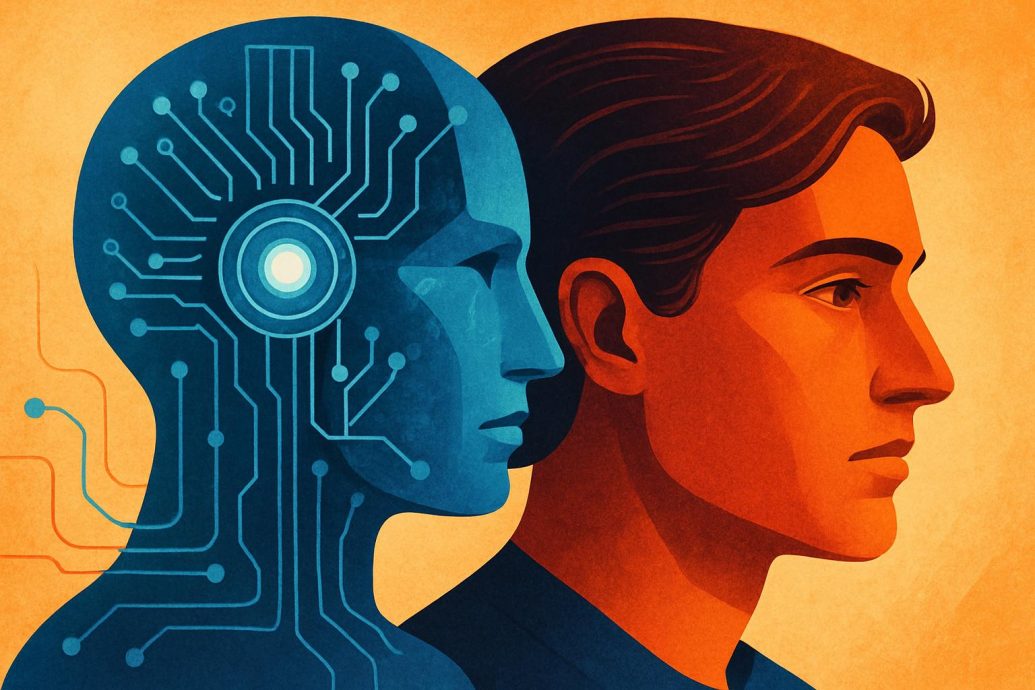
AI is quietly rewriting human identity, not through sudden disruption, but by weaving itself seamlessly into how we present, perform, and perceive ourselves in digital environments. From TikTok filters that sculpt appearances to algorithms tailoring our content feeds, artificial intelligence is sculpting the self in increasingly subtle ways. Identity is no longer entirely human or stable. It is now produced through collaboration between user choices and machine-driven suggestions. As AI-generated personas and personalized algorithms guide behavior, we are forced to ask: Who are we really becoming in an AI-shaped world?
Key Takeaways
- AI-generated personas and influencers are shifting how authenticity is perceived on social platforms.
- Social apps such as TikTok, Instagram, and X now encourage users to adopt algorithm-favored identities.
- Research indicates that algorithmic content exposure significantly impacts self-image and identity development.
- Users can take steps to regain control and support personal authenticity in digital spaces influenced by AI.
How Invisible AI Shapes Who We Are
Artificial intelligence is now embedded in daily digital habits. While AI once belonged to research labs and enterprise systems, it now drives every swipe, search, and scroll. Whether browsing videos or reacting to content, AI guides what we see, who we follow, and even how we present ourselves. Filters that enhance features, algorithms that rank visibility, and systems that reward engagement all contribute to identity construction.
Sociologists describe this shift as the rise of “algorithmic identity.” Platforms now do more than customize content. They nudge users toward specific trends, behaviors, or styles by rewarding them. A 2023 University of Amsterdam study showed that 65 percent of heavy social media users reported modifying their behavior in response to algorithmic feedback loops. The changes are subtle, yet enduring.
The Rise of AI-Powered Digital Personas
AI-generated influencers no longer feel like a novelty. They are part of a powerful shift in how digital selfhood is marketed and consumed. Lil Miquela, with more than 2.7 million Instagram followers, is not human. Yet her fashion collaborations, social commentary, and emotional tone create a sense of relatability that rivals real personalities. Spain’s Aitana Lopez is another example. She is entirely AI-created and earns revenue through brand endorsements, with no need for rest or emotional downtime.
For advertisers, these personas offer consistency and control. For users, they make it harder to separate authentic human content from algorithm-generated imagery. A 2023 Statista report found that 35 percent of Gen Z users could not identify whether a source was human or AI within just three seconds of engagement. In some cases, engagement with virtual creators surpasses that of real influencers.
This development invites questions. Are we confusing staged scripts for emotional connection? Are our role models human, or are they algorithmically optimized facades? These reflections connect closely to concern over whether AI clones of humans are changing how we define what it means to be real.
Digital Selfhood in the Age of Algorithms
Every interaction online feeds into machine learning models that refine content delivery. Your viewing time, your reactions, and even pauses influence what appears next. This creates a loop of behavior and feedback—users are not only consuming content but being shaped by it.
Studies from Stanford and MIT in 2022 reveal a psychological toll from repeated interaction with algorithmically generated environments. Over time, users adopt platform-preferred behaviors as if they were intrinsic desires. Particularly for young users, this can weaken self-awareness and promote conformity. Identity becomes conditional, shaped by metrics such as likes or reposts.
Dr. Olivia Moore, a digital anthropologist at the University of Edinburgh, explains the risk clearly. She notes, “These systems don’t just suggest content. They suggest who you should be, by rewarding behavior that maximizes engagement, not truth.”
Case Studies: When the Algorithm Becomes “You”
One clear example is Mia, a 19-year-old content creator on TikTok. Over 12 months, she tailored her videos to what the platform rewarded. Her outfits, speech, and even views shifted to match what her feed displayed. In one post, she asked openly, “I don’t know if I like this look or if I just like how it performs.” Her comment gained traction because many could relate.
Jason, another example, is a 32-year-old developer. He noticed his X feed had become an echo chamber of opinions. It started influencing his offline interactions and personal views. After performing a digital identity reset, he found noticeable changes in his general mood and perspective.
These cases reflect findings from the University of Toronto’s Media Psychology Lab. The lab confirmed that regular exposure to algorithmic cues creates a tightening loop of identity shifts. Those engaging with over three hours of social media daily were most affected.
The Social Identity Shift: Are We Noticing Too Late?
The subtlety of these changes is what makes them difficult to detect. AI is not forcing choices. Instead, it steadily guides behavior through mechanisms of feedback. The “perception paradox” describes how users believe they are browsing freely, while the system steadily restricts their exposure.
Pew Research reports show that 41 percent of users feel anxious or overstimulated after extended time in algorithm-heavy environments. Clinicians also note rising cases of comparison fatigue and emotional dysregulation, especially among younger users. These shifts influence more than just browsing habits; they affect career paths, self-worth, and how people relate to one another offline.
As a result, many are turning to practices such as “algorithmic detox.” These routines may include limiting feed use, breaking recommendation cycles, or using alternate platforms with less AI content filtering. For those concerned with digital identity, these changes aim to reestablish personal authorship rather than passive conformity. For deeper reflection, articles like how AI is redefining what it means to be human delve into broader implications of this transformation.
How to Reclaim Your Digital Self
Agency in an AI-driven world requires intention. These steps can help individuals take back control over their own narrative:
- Perform a Digital Identity Audit: Review your top content across platforms. What gets rewarded? Do these reflections match your actual values?
- Diversify Your Feed: Follow creators, thinkers, and artists outside your usual echo chamber. This can introduce fresh perspectives.
- Avoid Passive Browsing: Mindless scrolling strengthens algorithmic control. Instead, aim to comment, post with intention, or reflect before engaging.
- Set Time Boundaries: Use tracking apps or timers to limit time online. Regular breaks reduce cumulative algorithmic influence.
- Reflect Offline: Journaling, talking with others, and engaging in offline creativity can rebuild personal values unfiltered by algorithms.
Your identity need not be shaped by patterns of prediction. By opting out of algorithmic mimicry, you can begin to rebuild a more grounded sense of self.
Conclusion: Quiet Revolution of the Self
Our sense of self once rested in family, culture, and environment. Today, it also emerges through digital systems finely tuned to trends and performance. AI does not seize this role with noise. It embeds itself quietly and persistently into daily habits. As identity becomes more computational, the path forward demands awareness and intention.
AI has already begun shaping who we are. The next step is deciding whether we write ourselves into the transition with agency, or allow external systems to define that story. Themes explored in pieces like self-taught AI will be the end of us raise further questions about autonomy when algorithms achieve even greater independence.
Frequently Asked Questions
How is AI affecting human identity?
AI shapes human identity by determining which content users engage with, influencing self-image, values, and digital expression. Many people adjust behavior to match what receives validation online. Over time, this can blur the line between authentic self and optimized persona.
What are algorithmic influencers or AI personas?
These are virtual characters powered by artificial intelligence. They create content, interact with audiences, and promote products like human creators. Their presence complicates how audiences interpret trust, identity, and authenticity online.
Is authenticity still valued on social media?
Authenticity remains valued, but its definition is shifting. Platforms reward engagement metrics, which can incentivize performance over sincerity. In response, communities are forming around slower, less optimized forms of expression.
Can I resist algorithmic influence?
Yes. You can conduct digital identity audits, limit exposure to algorithmically curated feeds, and intentionally follow diverse viewpoints. Turning off personalized recommendations can also reduce behavioral nudging. Awareness is the first defense.
Is AI changing how people perceive themselves?
Yes. AI recommendation systems reflect selective versions of reality back to users. This feedback loop can reinforce specific traits, aesthetics, or beliefs. Over time, identity may become shaped by algorithmic reinforcement rather than internal reflection.
Are AI-generated influencers replacing human creators?
They are not fully replacing humans, but they are competing for attention. Brands are attracted to AI influencers because they are predictable and controllable. Human creators still offer relatability and lived experience, which remain valuable.
How do algorithms affect self-esteem?
Algorithms amplify content that performs well. This often favors extreme beauty standards, wealth signals, or controversy. Repeated exposure can distort perception and impact self-worth.
What is synthetic identity in digital culture?
Synthetic identity refers to personas generated or enhanced by AI systems. These identities may not correspond to a real human. They can still build followings and influence public discourse.
Are AI personas transparent about being artificial?
Some disclose their artificial nature clearly. Others blur that boundary for storytelling or marketing reasons. Lack of transparency raises ethical concerns about manipulation and informed consent.
Can AI create emotional relationships with users?
Yes. Conversational AI systems can simulate empathy and companionship. While users may feel genuine emotion, the interaction remains computational. This dynamic raises questions about dependency and emotional substitution.
How does AI influence consumer behavior?
Recommendation systems predict preferences and nudge purchasing decisions. Subtle personalization increases conversion rates. Over time, this can narrow exposure to alternative products or viewpoints.
What are the ethical risks of AI-driven identity shaping?
Risks include loss of autonomy, manipulation, and amplified bias. AI systems trained on historical data may reinforce stereotypes. Governance frameworks are still evolving to address these concerns.
Is AI making social media less human?
AI automation increases efficiency and personalization. It also introduces synthetic content at scale. The human element shifts from creation to curation and reaction.
How can platforms design AI more responsibly?
They can increase transparency around recommendation logic. They can provide meaningful user controls over personalization. Independent auditing and bias testing also improve accountability.
Will future generations have different identities because of AI?
Very likely. Digital environments increasingly mediate social development. Identity formation may become more fluid, data-driven, and publicly performed.