
Introduction
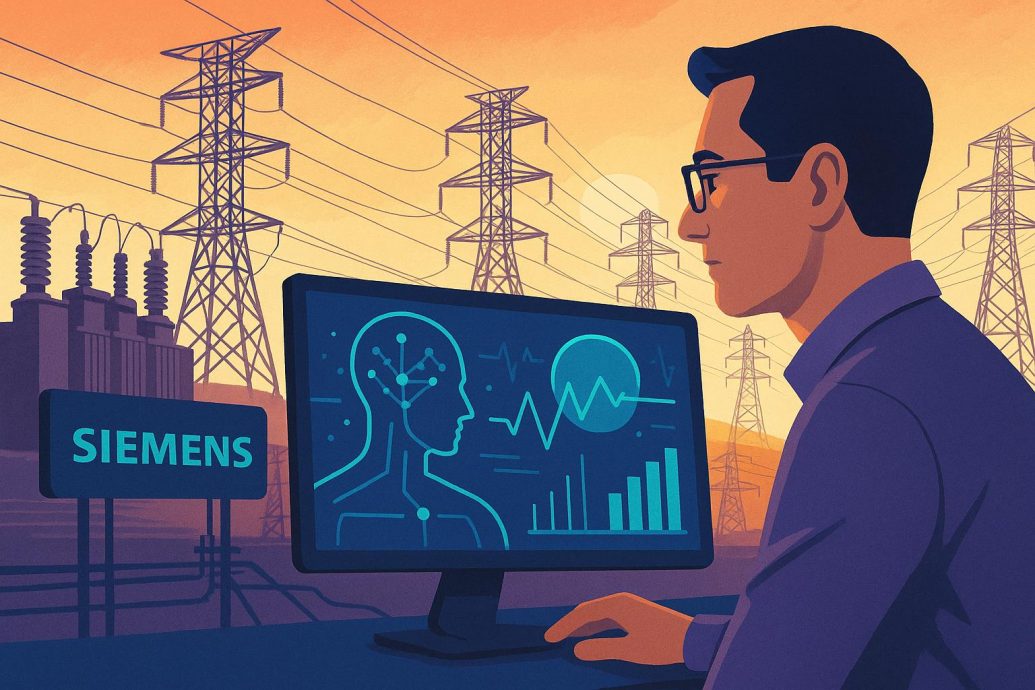
Siemens Energy Deploys AI for Grid to address one of the most pressing challenges in today’s power systems: making them smarter, cleaner, and more reliable. With renewable energy sources contributing to a rising share of electricity generation, maintaining grid stability has become increasingly complex. AI is emerging as a crucial enabler, especially in forecasting electricity demand and integrating variable sources like solar and wind. Siemens Energy’s latest initiative combines advanced artificial intelligence with a broader digital strategy, illustrating not just a technological upgrade but a transformation in the way we power the world.
Key Takeaways
- Siemens Energy is adopting AI for electricity demand forecasting and renewable energy integration.
- The approach supports grid stability by predicting power demand spikes and variability in green energy sources.
- This initiative is part of a wider move toward energy digitalization and infrastructure modernization.
- Siemens’ strategy aligns with ongoing trends in electrification and clean energy across the global energy sector.
Why AI is Critical to the Future of Smart Grids
The global energy landscape is undergoing a foundational shift. As nations pursue aggressive decarbonization strategies, power grids are increasingly populated with intermittent renewable sources like wind and solar. While essential for sustainability, these sources present real-time grid balancing challenges due to variability in generation.
AI for electricity demand forecasting offers a solution. By analyzing massive datasets in real time, AI helps predict when electricity demand will spike or dip. It enables proactive distribution and reduces strain on aging infrastructure. This predictive power is essential for creating a smart grid that can adapt dynamically to the rhythms of renewable generation and usage trends. For a broader perspective on the topic, you can explore how AI is transforming power grids through improved forecasting and intelligent control systems.
Siemens Energy’s AI Strategy: Empowering the Grid
Siemens Energy has implemented artificial intelligence across multiple layers of the power grid. These systems utilize machine learning models trained on decades of demand, weather, and generation data. Using this data, the AI algorithms can forecast electricity consumption patterns with high accuracy, enabling grid operators to adjust supply routes and storage planning in near real-time.
One of the most notable aspects of Siemens’ strategy is its collaboration with both utility providers and industrial energy consumers. By sharing insights into energy usage and infrastructure optimization, Siemens helps partners identify peak demands, manage distributed energy resources, and integrate renewables with minimal disruption.
Real-World Outcomes and Benefits
In recent pilot programs, Siemens Energy has reported notable gains in grid performance. AI-driven models have improved short-term power demand prediction by over 20 percent, leading to smarter load balancing and fewer emergency adjustments. Predictive maintenance algorithms have also reduced unplanned outages, saving millions in potential losses for grid managers.
AI has also facilitated more precise integration of renewable energy into the power mix. By forecasting output variability from wind and solar, Siemens’ platforms allow grid operators to make informed decisions about energy storage usage, backup generation, or demand-side curtailment. The result is a more resilient and flexible grid that supports sustainability targets. These approaches align with the broader efforts around using AI for a sustainable energy future.
Siemens Compared to Competitors
Siemens Energy is not alone in the AI revolution within the energy sector. GE Vernova and Schneider Electric are also deploying smart grid AI to manage loads and stabilize power delivery. GE Vernova’s initiatives focus mainly on grid load optimization, using AI to manage large regional energy networks. Schneider Electric emphasizes AI-driven decision-making to enhance grid efficiency and speed of response.
What sets Siemens apart is its comprehensive integration of AI not only for demand prediction but also for collaborative infrastructure upgrades. Through partnerships with local utilities and energy hubs, Siemens implements AI models tailored to individual regions, rather than enforcing generic solutions across all grids. This regional benchmarking and customization give Siemens a competitive edge in achieving granular stability within complex systems.
Global Context: Challenges and Urgency
According to the International Energy Agency (IEA), renewable energy accounted for nearly 30 percent of global electricity generation in 2023. The increasing uptake of renewables, while critical for decarbonization, also introduces sharp variances in energy flow. The U.S. Energy Information Administration (EIA) reports that outages linked to variability in generation rose by 9 percent in North America last year alone.
Urban expansion, electrification of transport, and decentralized energy production further strain aging grids. AI-based forecasting and control systems allow utility companies to analyze consumer behavior, anticipate bottlenecks, and adjust energy supply lines before critical faults occur. This reinforces why the shift toward smart grid AI is essential to ensure consistent service and regulatory compliance amid growing complexity.
Short Case Study: AI Prevents Blackout in Southern Germany
In 2023, Siemens Energy partnered with a regional utility in Southern Germany to pilot its AI-based load forecasting tools. During a heatwave, energy demand spiked substantially due to widespread air conditioner use. Siemens’ platform accurately predicted this spike 12 hours in advance, enabling the utility to reroute supply using battery storage and peaker plants. The result: no outages, uninterrupted grid stability, and a 15 percent reduction in emergency generation costs.
This example is only one of many that highlight the tangible, operational advantages of deploying AI in energy systems. By combining real-time data with adaptive machine learning, power grids evolve from reactive infrastructures into intelligent networks capable of forecasting and self-adjustment.
AI in Energy: Key Questions Answered
How is AI used to manage the power grid?
AI is used to forecast electricity demand, monitor real-time grid conditions, optimize energy distribution, and predict equipment failures. It helps utilities make proactive adjustments that enhance reliability and efficiency across the grid.
What role does Siemens Energy play in energy digitalization?
Siemens Energy is a key player in integrating digital tools into traditional energy systems. Its AI initiatives focus on forecasting, predictive maintenance, and optimizing renewable energy integration, all underpinned by partnerships with utilities and industries to implement tailored solutions.
How does AI improve renewable energy integration?
AI enhances renewable integration by predicting output variability, managing energy storage usage, and optimizing when and how to deploy backup power sources. This reduces reliance on fossil-powered balancing and supports a more sustainable energy mix.
What companies are using AI for grid management?
Besides Siemens Energy, companies like GE Vernova, Schneider Electric, and ABB are deploying AI solutions to manage grid efficiency, stability, and modernization. Each firm approaches implementation differently based on core technology focuses and regional partnerships. Some of these developments also intersect with broader initiatives in AI-driven smart cities, where energy efficiency plays a vital role.
The Road Ahead: AI’s Growing Role in Energy Innovation
As energy systems continue evolving, the role of AI will only grow more significant. Governments are issuing performance mandates and resilience metrics that incentivize smarter energy planning. Siemens Energy is positioned at the forefront of this transition, offering tools not just to solve today’s grid challenges but to anticipate tomorrow’s.
Already, the company is exploring next-generation AI models capable of learning from distributed energy resources, electric vehicle networks, and microgrid interactions. Combined with its strong partner ecosystem and regional deployment experience, Siemens Energy’s AI-led transformation is not just proactive, it is predictive. These strategies also demonstrate how AI can improve resource optimization across multiple infrastructure domains.
Conclusion
Siemens Energy’s deployment of AI marks a critical step toward making power grids smarter and more aligned with modern sustainability goals. By leveraging AI for electricity demand forecasting and renewable energy integration, the company is helping reshape the global electricity landscape. Key to this transformation is not just the technology but the strategy behind it: building partnerships, operating locally, and focusing on measurable outcomes. As the energy sector faces growing complexity, Siemens demonstrates that AI is more than a tool, it is an operational imperative.
References
- International Energy Agency (IEA), “Renewables 2023 Report”
- U.S. Energy Information Administration (EIA), “Electric Grid Monthly Update – 2023”
- Energy Monitor: Siemens Energy Embraces AI
- MIT Technology Review: How AI is Powering the Future of Grid Management