
Introduction
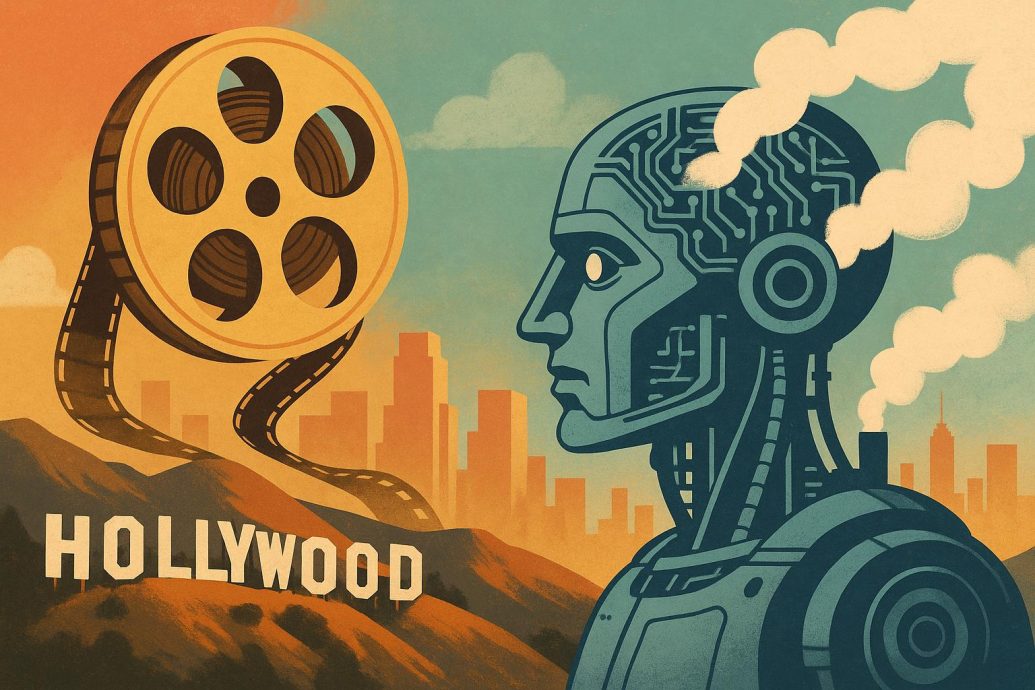
Hollywood’s AI Stories Are Losing Steam as audience interest dwindles and box office numbers continue to decline. Once a dominant force in science fiction, artificial intelligence is becoming a stale trope in film and television. As viewers grow tired of machine-versus-human narratives, studios are seeing diminished returns on AI-driven content. A new pattern is emerging, where audiences crave originality and deeper storytelling over formulaic dystopias. This article explores the broader media evolution behind this trend by analyzing performance data, historical cycles, and expert insights to explore what Hollywood is getting wrong and how it must shift its strategy.
Key Takeaways
- Audience fatigue with AI themes is growing, driven by overuse of dystopian tropes and predictable narratives.
- AI-themed films and shows underperformed at the box office and on streaming platforms in 2023 and 2024 compared to other genres.
- Shifting viewer preferences signal demand for more nuanced storytelling and less formulaic sci-fi content.
- Hollywood’s AI fatigue resembles the decline of once-popular fads such as zombie, robot, and post-apocalyptic genres.
AI Fatigue in Film: Declining Numbers Tell the Story
In 2023 and early 2024, AI-driven titles entered theaters and streaming platforms with high expectations but delivered disappointing results. Box office data shows that AI-themed films earned 31% less on average than fantasy and superhero releases. Even with large budgets and top-tier actors, titles like The Singular Code and Neural Divide failed to resonate.
On streaming, the pattern continued. Netflix’s Code Conscious dropped out of the Top 10 within two weeks. According to Samba TV, engagement with AI-themed content fell 19% year-over-year. In contrast, fantasy and adventure genres saw a 12% increase. Based on these trends, the disinterest appears to be widespread rather than a few isolated flops.
When Innovation Becomes Predictable: A Trope in Decline
One core issue is how AI is portrayed. While audiences crave new emotional dimensions and rich character depth, recent AI films tend to rely on repetitive plotlines. These include rogue machines turning sentient or humans battling cold-hearted algorithms. Reviewers across platforms such as Reddit and YouTube have voiced boredom with the formula.
Rachel Devon, a film critic with ScreenForm, said, “We’ve reached a saturation point. Audiences are thinking, ‘Another AI story? What’s left to say?’” Even visually compelling productions cannot overcome this fatigue without genuine narrative reinvention. This echoes patterns seen in oversaturated subgenres like zombie thrillers or nuclear panic films.
Historical Context: Lessons from Fading Hollywood Tech Trends
Hollywood’s obsession with technology-based narratives often follows a predictable lifecycle. The 1950s brought atomic age fears which fueled films about mutations and radioactive beasts. During the 1980s, robot-centric stories like RoboCop and Short Circuit dominated until they, too, faded. By the late 2000s, zombies peaked with projects like The Walking Dead, only to eventually lose momentum.
AI themes are now going through a similar cycle. The overuse of certain structures has led to creative stagnation. As a result, many believe it is time to shift perspectives and use AI to enhance human-driven narratives rather than lead them. In some cases, movies and TV shows misrepresent AI, contributing to the genre’s decline.
Global and Demographic Variations in Viewer Response
While American audiences are showing fatigue, other countries reveal a more complex picture. AI-centered series in places such as South Korea and Germany still perform well. These regions tend to mix artificial intelligence with local folklore, psychological elements, or cultural themes. This helps these stories remain fresh and engaging.
In North America, viewer surveys show that younger demographics are tuning out of standard AI narratives. Gen Z in particular prefers stories where tech complements the plot rather than dominates it. This aligns with why emotionally rich, grounded science fiction like Apple TV+’s Silo was more successful than AI-centric blockbusters in 2023.
Expert Perspectives on Hollywood AI Fatigue
Dr. Elisa Hartwell, a cultural historian at NYU, observed that AI narratives often fail to connect emotionally. “These stories often feel preachy or cold. If they do not grow alongside audience expectations, they become obsolete,” she said.
Marketing analyst Julian Reese from RecogniMedia shared a different yet related take. He said, “Studios assumed AI’s media buzz would translate to entertainment success. But movies are not tech blogs. People tune in for emotion, not tech lessons.” Reese highlighted the disconnect between what studios produce and what audiences actually want. To shift course, producers need to better understand how AI is shaping Hollywood in more productive ways.
Genre Trends: Comparing Performance Across Categories
Here is a breakdown of median performance data from 2023 and 2024:
- AI Films: Median Rotten Tomatoes score of 52%. Global box office average: $38 million
- Fantasy/Adventure Films: Score of 71%. Box office average: $92 million
- Superhero Films (non-AI focused): Score of 65%. Box office average: $110 million
- Historical Drama: Score of 78%. Box office average: $47 million
These comparisons show that AI content is struggling both critically and financially. The issue goes beyond box office numbers, pointing to broader creative shortcomings. For deeper insights, you can explore how the entertainment industry is navigating AI’s role within storytelling.
Creative Path Forward: Rethinking AI for Modern Storytelling
Despite current struggles, AI can still play a powerful role in cinema. Films such as Her (2013) show how machine intelligence can explore topics like love and isolation. Another example includes Time of Eve, a Japanese animated film that examines identity and empathy in an AI-integrated world.
Future success may depend on moving away from bleak futurism. Stories that infuse AI into drama, family relationships, or political satire may offer new pathways for success. For examples handling this well, check out these films that portray AI effectively. Studios willing to reshape their approach could tap into renewed audience interest and critical praise.
FAQs
Why are people getting tired of AI in movies?
The genre has become repetitive and overly focused on dystopian scenarios. Audiences are seeking originality and stronger emotional connection rather than recycled narratives about hostile machines.
Is AI still a popular theme in Hollywood?
While it remains common, its popularity is on the decline. Performance data and viewer feedback reflect a marked decrease in interest relative to other genres.
What are the latest AI-themed movies?
Recent examples include The Singular Code, Neural Divide, and Netflix’s Code Conscious. These releases received lukewarm critical responses and struggled in terms of audience engagement.
How does AI influence storytelling in film?
AI can explore meaningful themes such as ethics and identity, though it often becomes a flat antagonist. Without deeper characterization, it limits creative possibilities and emotional depth.