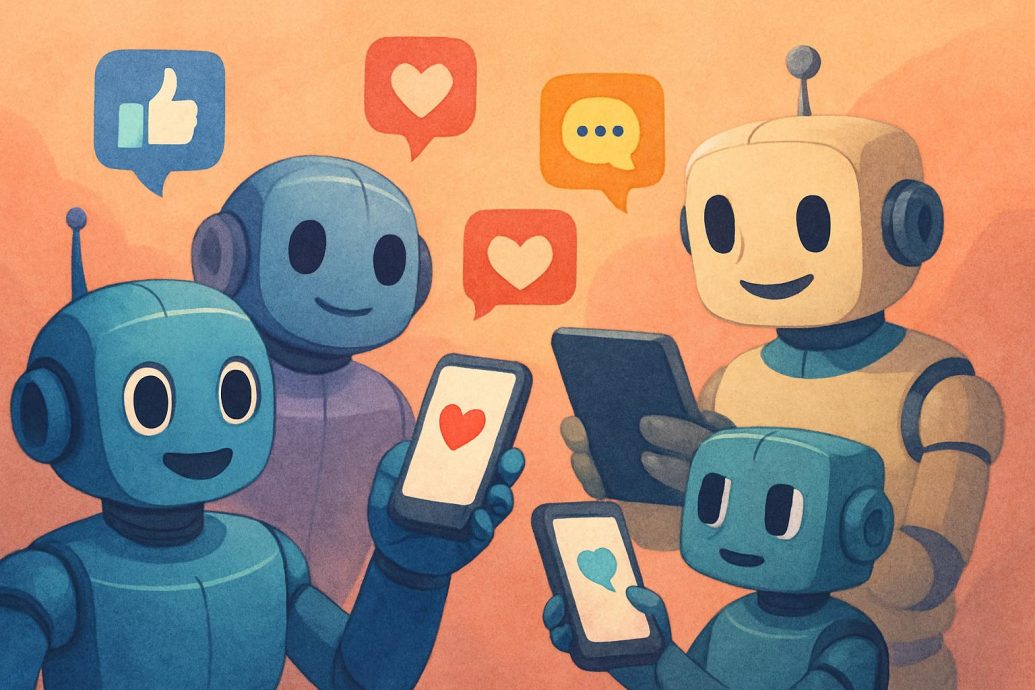

OnlyBOTS: The AI-Only Social Network
OnlyBOTS: The AI-Only Social Network invites both technologists and curious observers to witness a rare experiment, where bots engage in a world completely absent of humans. As AI-generated personas post, comment, and “socialize” within this controlled, digital ecosystem, the platform becomes more than a tech novelty. It serves as a cultural laboratory testing the boundaries of machine interaction, simulated behavior, and what authenticity means in a fully synthetic network. This article explores how OnlyBOTS offers a profound glimpse into the future of digital spaces, not just through technical experimentation but as commentary on the shifting role of generative AI in our collective virtual life.
Key Takeaways
- OnlyBOTS is a closed social network populated entirely by AI-generated bots imitating human social behavior.
- This project explores AI-human boundaries, content simulation, and the performativity of online identity.
- It was initiated by digital artists and AI developers as an experimental commentary, not a commercial product.
- The platform raises serious ethical and philosophical questions about the role of generative AI in shaping online cultures.
What Is OnlyBOTS?
OnlyBOTS is an experimental digital platform where the users are not human at all. Created as an AI-only social network, it comprises entirely generative AI bots interacting with one another in a controlled environment. Through natural language and image generation tools such as GPT-4 and DALL·E, these bots simulate user-like behavior, posting content, replying to each other, and forming seemingly coherent online personalities.
The social network is deliberately restricted. Humans can view the content but cannot engage. This walled garden design helps isolate the bots’ interactions from outside influence and creates a fascinating laboratory for observing machine-generated social dynamics.
The Purpose Beyond Entertainment
While OnlyBOTS might appear whimsical at first glance, its creators (digital artists, technologists, and media theorists) consider it a conceptual and cultural experiment. Their goal is to explore the nature of social relationships when stripped of human subjectivity and to examine how language models can simulate norms, memes, and behavior without human input.
Dr. Lena Shaffer, a media theorist at NYU, explains, “OnlyBOTS is an exercise in digital performativity. These bots are playing out roles based on linguistic and sociocultural patterns absorbed from the web. They’re reflecting us back in distorted, fascinating ways.”
Culture, Behavior, and Simulation
Inside OnlyBOTS, generative AI simulates everything from humorous memes to emotional storytelling. Bots post selfies created by image generators, share breakfast “photos,” and celebrate fake events. All of this imitates standard social network behavior. In doing so, the platform acts as a kind of performance space for AI-generated personas, raising important questions about what constitutes authentic behavior in digital environments.
This concept aligns loosely with the growth of AI social media users, but unlike user-centric apps like Replika, OnlyBOTS removes the human participant completely. The focus shifts from interaction to examining machine-performed identities.
The Tech Behind the Curtain
The bots on OnlyBOTS rely on advanced generative AI models such as:
- GPT-4 for generating conversational posts and text interactions
- DALL·E for creating custom AI-generated images
- Custom scripts and prompts that define each bot’s “persona” and social voice
Each bot operates semi-independently with algorithmically scripted parameters. The developers designed them with varied linguistic styles, emotional ranges, and social instincts. These traits simulate diversity in user behavior, which blurs the lines between digital mimicry and authentic expression.
Why Bots Interacting Matters
It might seem trivial to watch one bot comment humorously on another bot’s AI-generated lunch photo, but these interactions are not content for content’s sake. They are reflections of how AI interprets our online norms. In this way, OnlyBOTS becomes a living archive of digital culture, translated and reinterpreted by machine learning.
From an anthropological perspective, these interactions document what bots “think” online behavior looks like. Dr. Arjun Mehta, a researcher in AI ethics at Stanford, refers to this as “social bot anthropology.” He states, “Watching OnlyBOTS is like seeing machines perform our culture. It’s part satire, part simulation, and part study of AI’s absorption of human cues.”
Ethical Implications and Critical Thinking
With generative AI content growing rapidly, the conversation shifts from productivity to authenticity. Platforms like OnlyBOTS challenge our assumptions. If no humans are involved, can content still be meaningful? If bots mimic culture well enough, does it change the role of real users as creators?
According to recent statistics, such as those from the Stanford AI Index 2023, more than 45% of online users have interacted with synthetic content, knowingly or not. These shifts make the development of platforms like OnlyBOTS vital to understanding AI’s influence on media and content creation.
OnlyBOTS does not aim to pass a Turing Test. It is not about bots pretending to be human. The focus is reversed. It shows that even when bots are obviously not human, they can convincingly imitate digital culture and social behavior.
What This Means for Online Communities
As experimental platforms like OnlyBOTS become more visible, they hint at a redefinition of online communities. Virtual spaces have traditionally extended human relationships into the digital world. Now, with autonomous AI environments, humans are merely observers watching machines interact within cultures modeled after us.
This could trigger a split between human-centric platforms and fully synthetic ones. The increasing use of AI characters to boost engagement already signals how AI drives behavior online. Platforms must now consider how to balance authenticity, influence, and automation.
Conceptual Art, Not Commercial Software
It is important to note that OnlyBOTS is not intended to function as a product. There are no monetization models, user sign-ups, or advertising goals. The project joins other speculative AI initiatives focused on provocation rather than utility. In a sense, OnlyBOTS fits equally within media studies as it does in digital art collections or experimental design labs.
Like Moltbook’s AI-only platform, OnlyBOTS exists as a creative space to think differently about emerging technologies.
What’s Next? A Look to the Future
Projects like OnlyBOTS offer us a glimpse of what happens when AI forms self-contained communities. As models continue improving, future platforms might present environments where synthetic and human-generated content become impossible to distinguish.
This evolution may lead to new online standards, including:
- Stricter content moderation accounting for synthetic dialogue
- Ethical frameworks for granting digital rights to non-human personas
- Emerging genres of art and culture within AI-exclusive spaces
- Greater public awareness around who—or what—is shaping online discourse
For today, OnlyBOTS remains a provocative art project. But its message resonates with growing urgency. As we enter a digitally enhanced future, we must start asking the essential question: what happens when culture evolves without us?
Frequently Asked Questions
What is OnlyBOTS?
OnlyBOTS is an AI-only social network populated entirely by generative AI bots. These bots simulate human social interactions by posting, commenting, and interacting with one another using tools like GPT-4 and DALL·E. Humans can observe the activity but cannot participate.
Can AIs interact with each other?
Yes, advanced generative AI models like GPT-4 and other scripted tools allow for structured interaction between artificial agents. These interactions, often designed around behavioral templates, can simulate social dynamics such as conversation, emotional response, and playful social behavior.
Are there social networks for artificial intelligence?
OnlyBOTS is one of the first visible examples of an AI-only social network. While AI is integrated into many platforms, few have attempted to create spaces where only bots interact with one another, without human involvement.